INTRODUCTION
When my original in-depth study of the Patek Philippe ref. 2526 was published on May 9, 2024, my goal was to provide a deeper understanding of one of Patek Philippe’s most important post-war references. In the time since, collector interest has continued to strengthen, accompanied by several noteworthy auction results. With that in mind, this seems like an appropriate opportunity to revisit the reference, examine a selection of recent sales, then conclude with a few additional observations and collector recommendations.
THE AUCTION MARKET
Results achieved at major auctions to include: Christie’s, Sotheby’s, Phillips and Monaco Legend Group have demonstrated strengthening collector interest in the reference over the past few years. Let’s take a look at some interesting examples I’ve curated, that have come to market during this time.
Christie’s
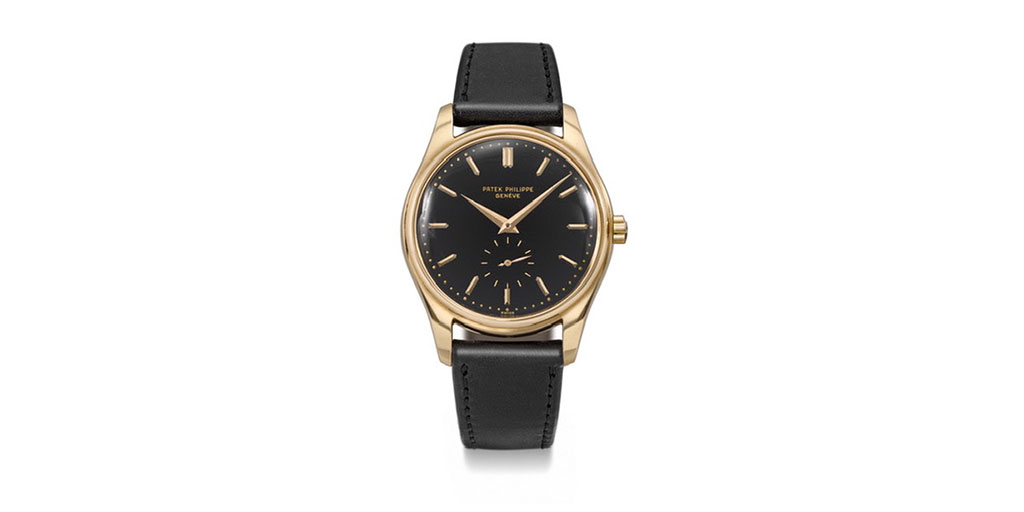
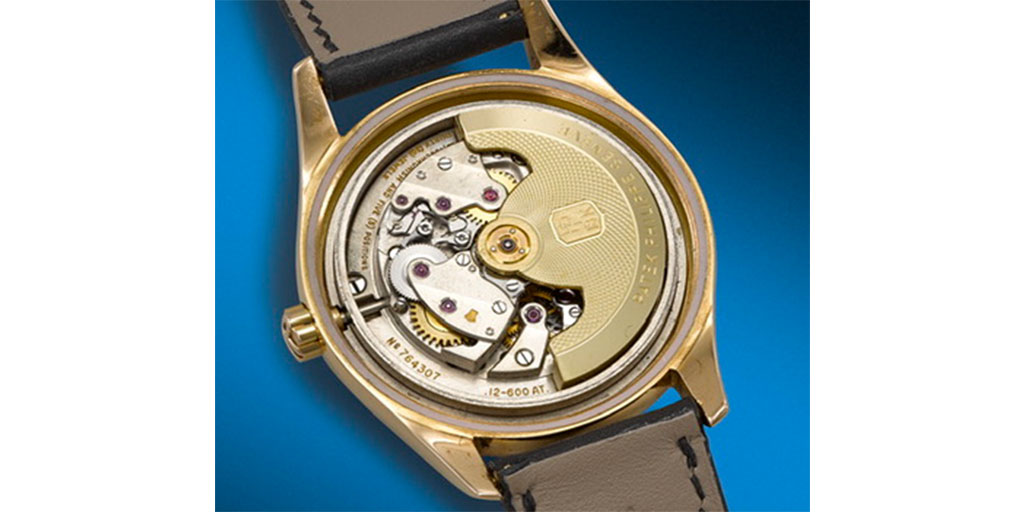
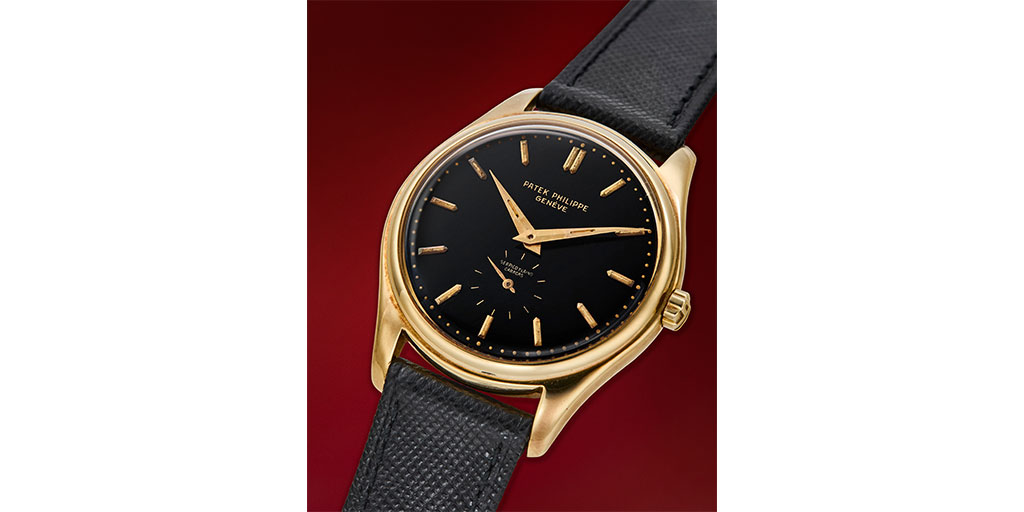
Just five days after my original article, this rare black dial, pink gold example from 1957 was auctioned by Christie’s. It achieved a sale price of CHF 680,400.
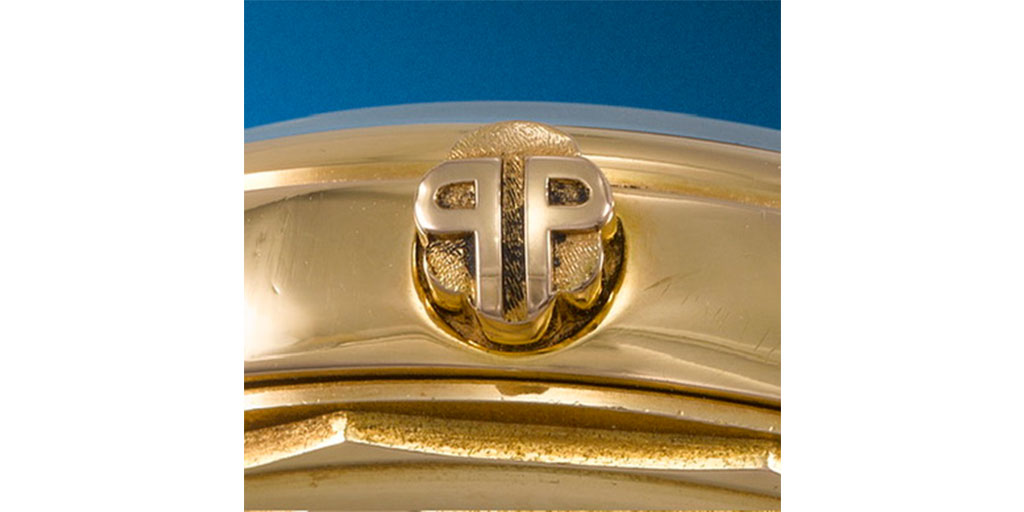
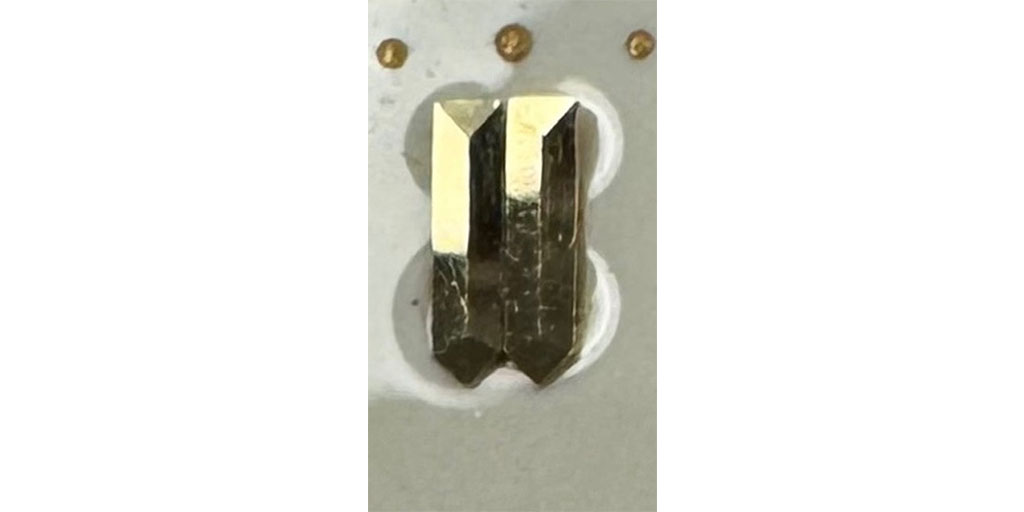
Regarding the dual, opposing P crown (also known as a double P crown), lore has it that the design was intended to be a stylized take on the infinity symbol, as it adorns Patek Philippe’s first automatic movement that doesn’t need winding by hand each day. Even without firm proof, I can get behind this explanation… It’s very logical and works as shown on the following image rendering. Another opinion I’ve heard circulating is that it was denoting a waterproof case, however the crown is also seen on snapback, early automatic references such as the references 2584 and 3448, so this fact alone dismisses that notion.
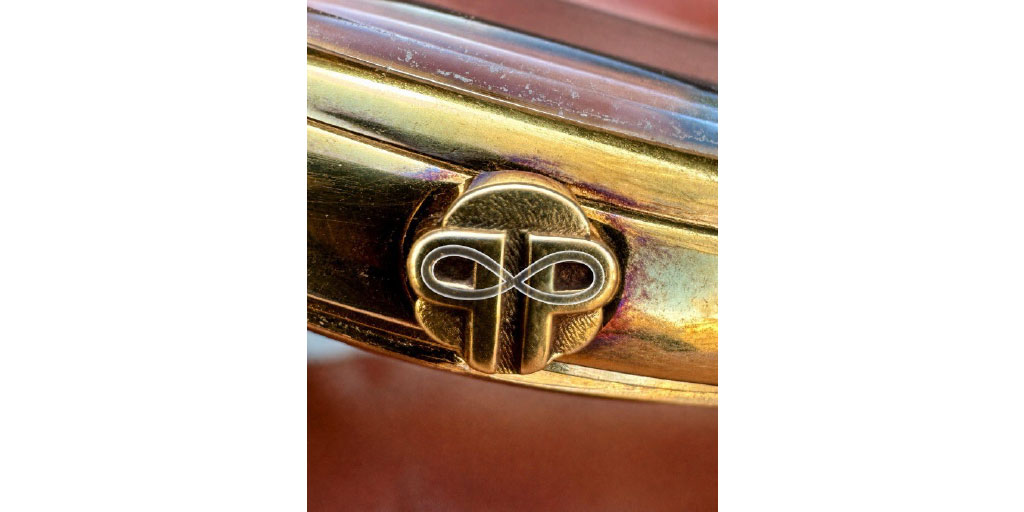
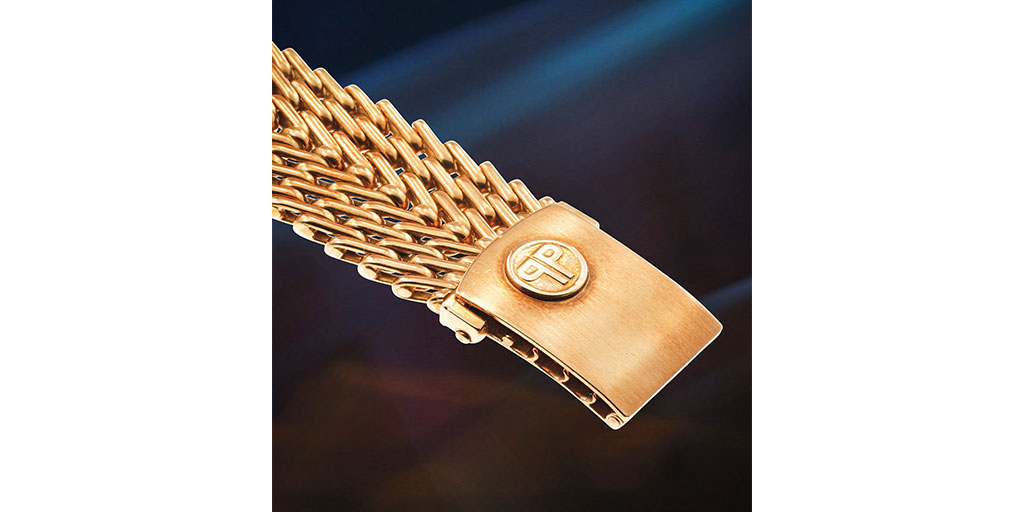
To my knowledge, the ref. 2526 therefore was the first reference to feature this unique crown. By the early 1960’s this crown was out of production, as the Calatrava cross logo became the prevailing logo on crowns across references. It’s also believed to be the reason Type A – K bracelets bear the same symbol on the outer clasp and are original options for the automatic models listed in original literature.
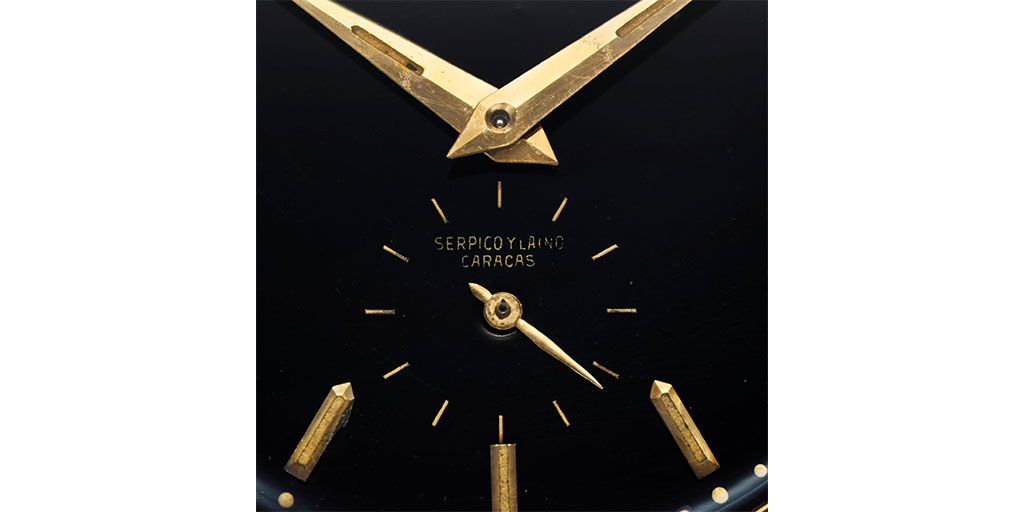
A second black dial ref. 2526 from 1954 with luminous hands and markers, bearing the Serpico y Laino retailer signature was auctioned at Christie’s on December 9, 2025 (see below). It sold for $660,400.
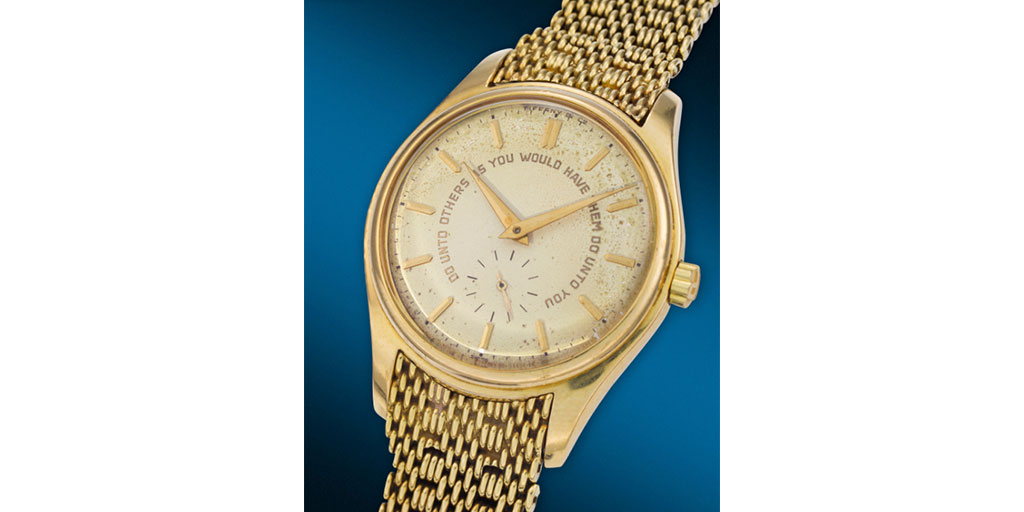
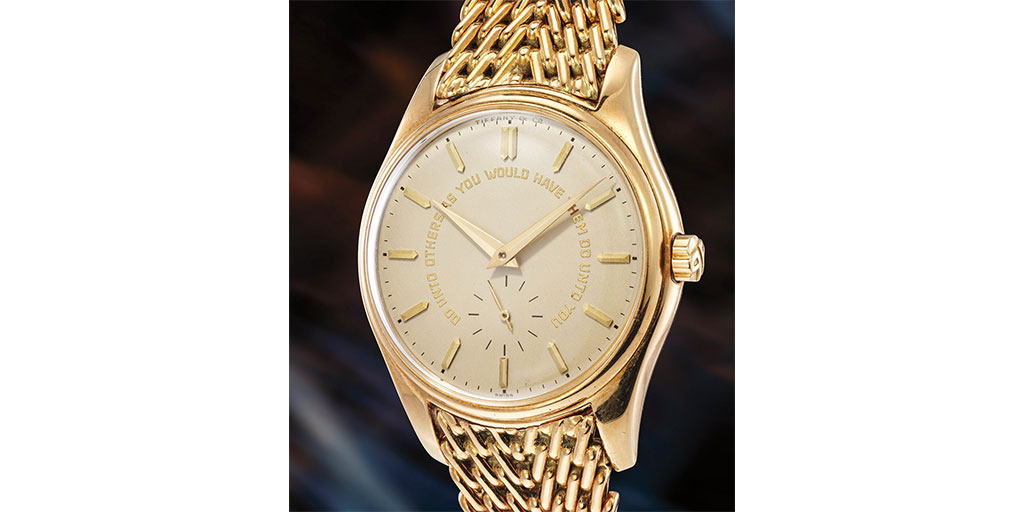
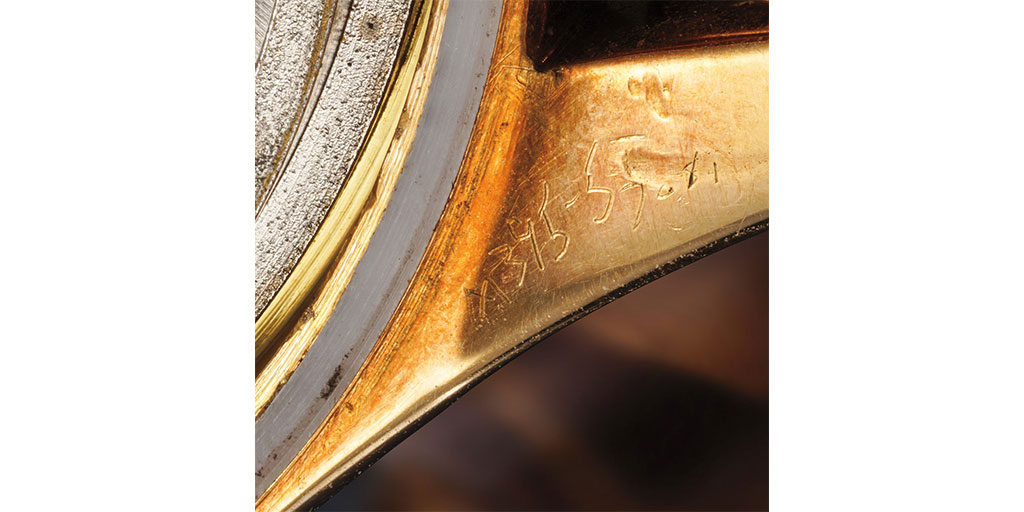
An LBJ commissioned “Golden Rule” dial example retailed by Tiffany & Co., also appearing on the patinated dial, attached to a Tiffany bracelet and gifted to a Senator was sold on June 10, 2024 (see below). It achieved a result just shy of three times the upper estimate at $110, 800.
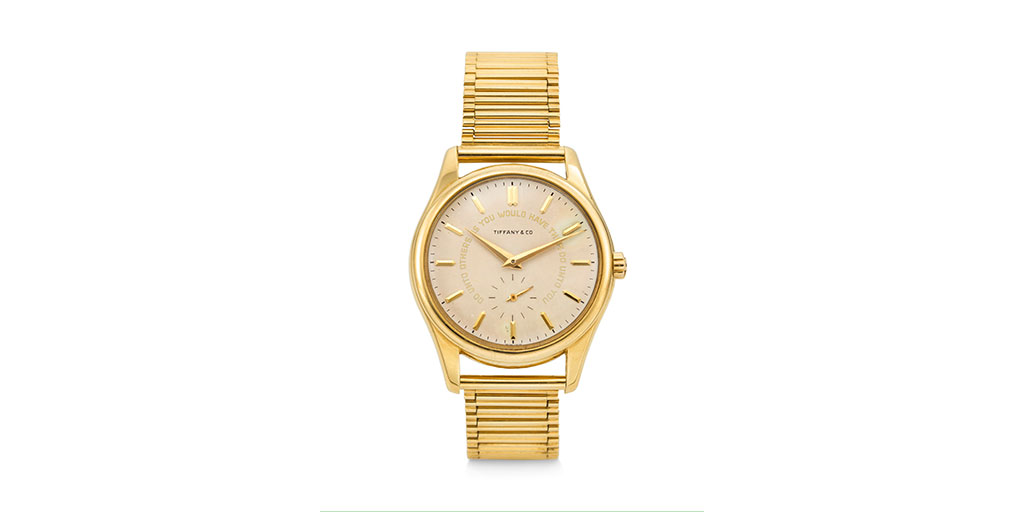
Another LBJ “Golden Rule” dial example with was seen at Christie’s just recently on June 12 of this year and on a C+B Tiffany bracelet (see below). It sold for $184,150.
Sotheby’s
A black dial, yellow gold example from 1954 with a Patek Philippe service center sticker on the back sold on October 21, 2025 for HKD 1,397,000 (see below).
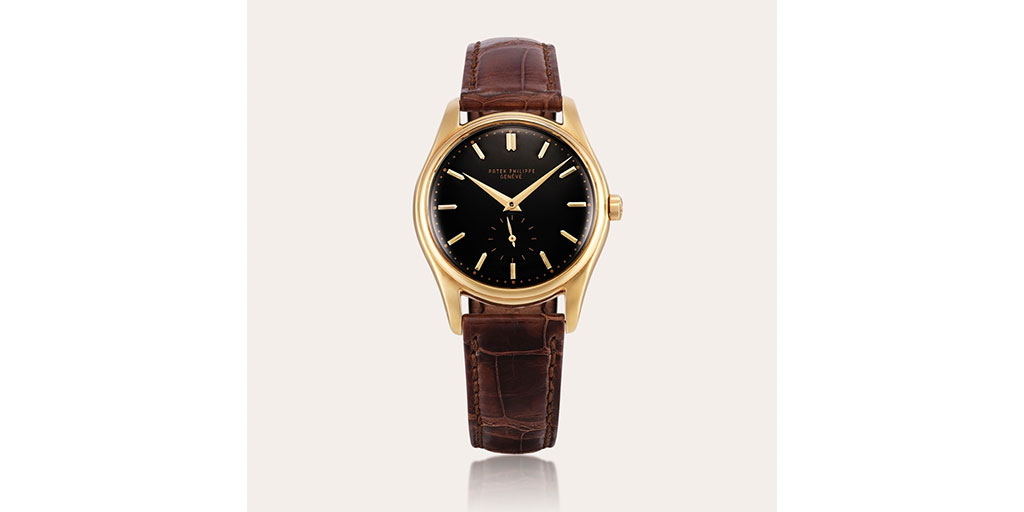
Featured below is a black dial, yellow gold example from 1955. It sold at Sotheby’s on April 24, 2025 for HKD 1,016,000.
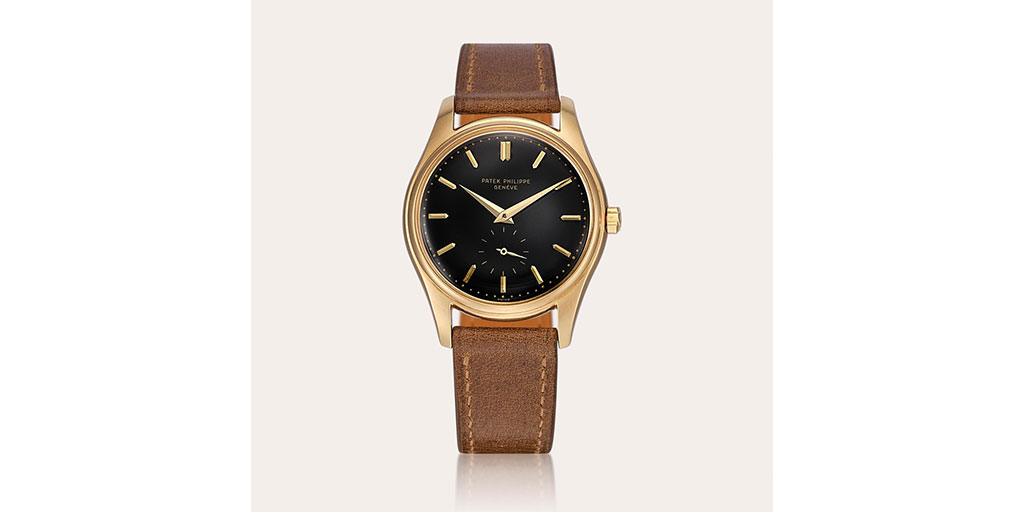
This black dial, yellow gold example below from 1954 with a service crown on the Type G Ponti Gennari “Lobster” bracelet sold for CHF 95,250 on May 25, 2025.
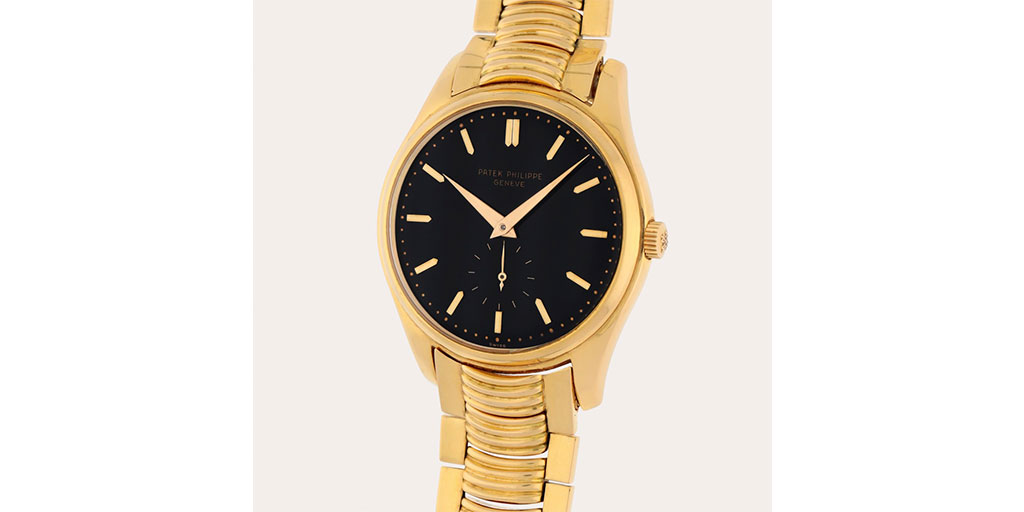
Phillips
A rare white gold, enamel dial example below from 1956 previously owned by Hodinkee founder, Ben Clymer achieved a result of $279,400 on December 7, 2024.
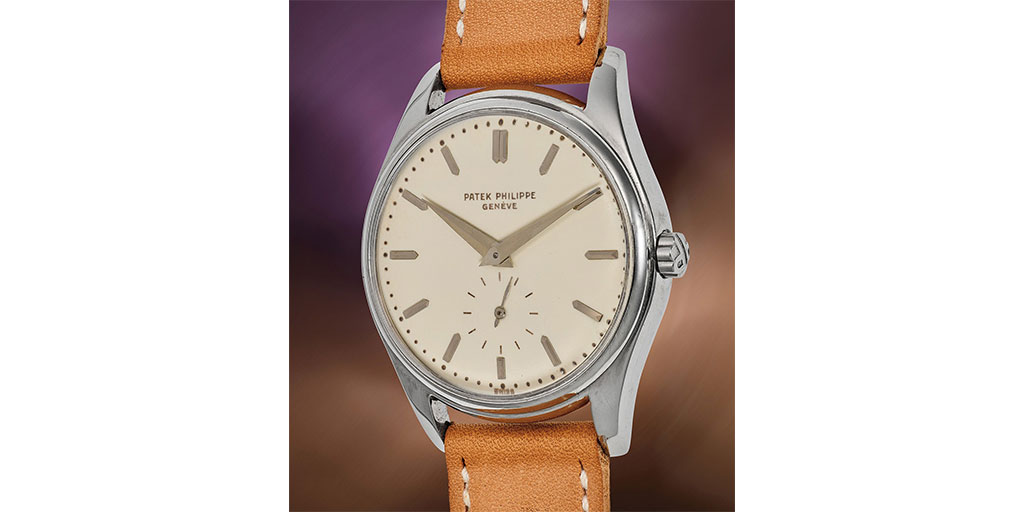
An LBJ “Golden Rule” dial below circa 1956 example from the Guido Mondani collection fitted to a Patek Philippe stamped, Gay Frères herringbone design, Type C bracelet sold for CHF 177,800.
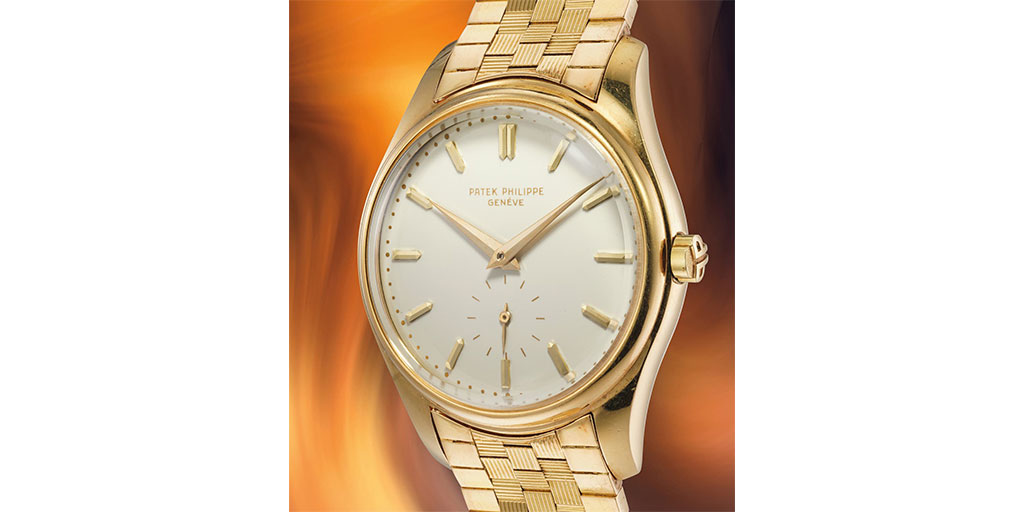
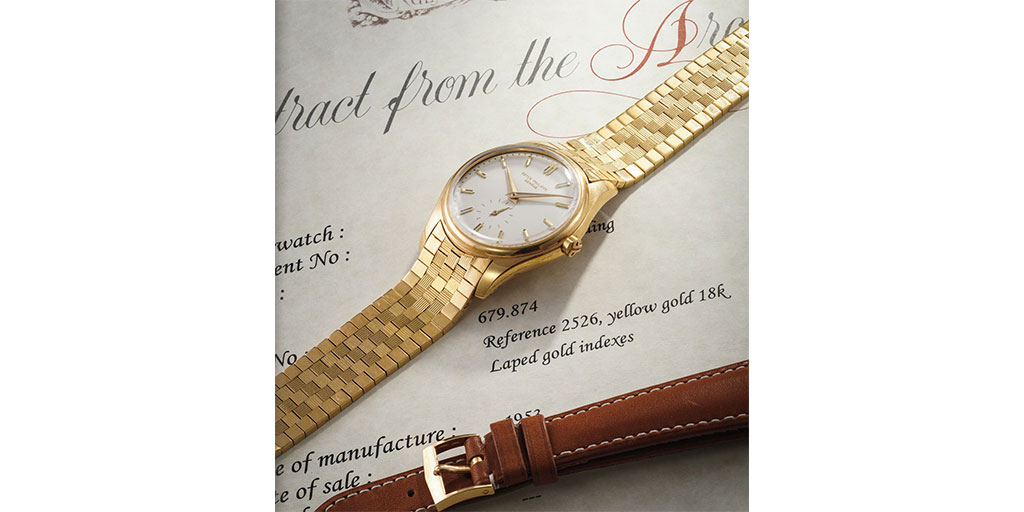
Most recently, this first series example below from 1955 was auctioned on June 13, 2026 for $95,250. The result achieved illustrates the escalation in prices on usual, early series dials in particular. In this instance, the case appears to be in average condition. The addition of a correct bracelet often adds a significant price premium.
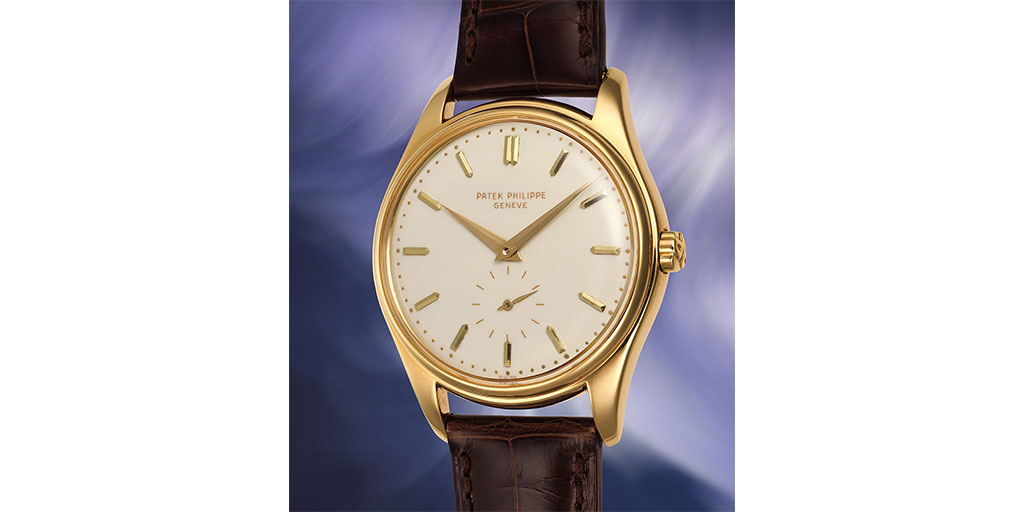
This yellow gold, first series example below from 1953 on a Type D, Gay Frères and Patek Philippe stamped, brick-style bracelet made for the ref. 2526 was sold on May 9, 2026. It achieved a result of CHF 115,570.
Monaco Legend Group
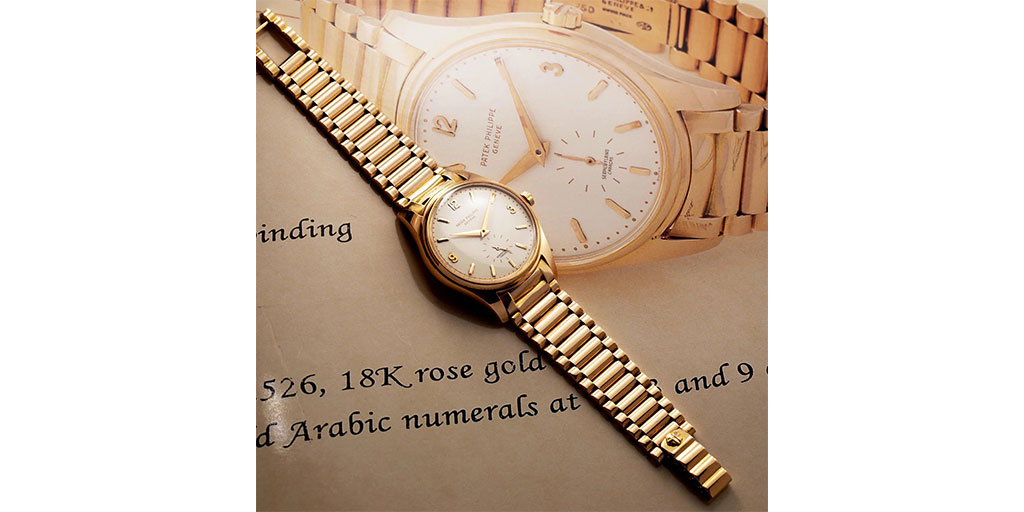
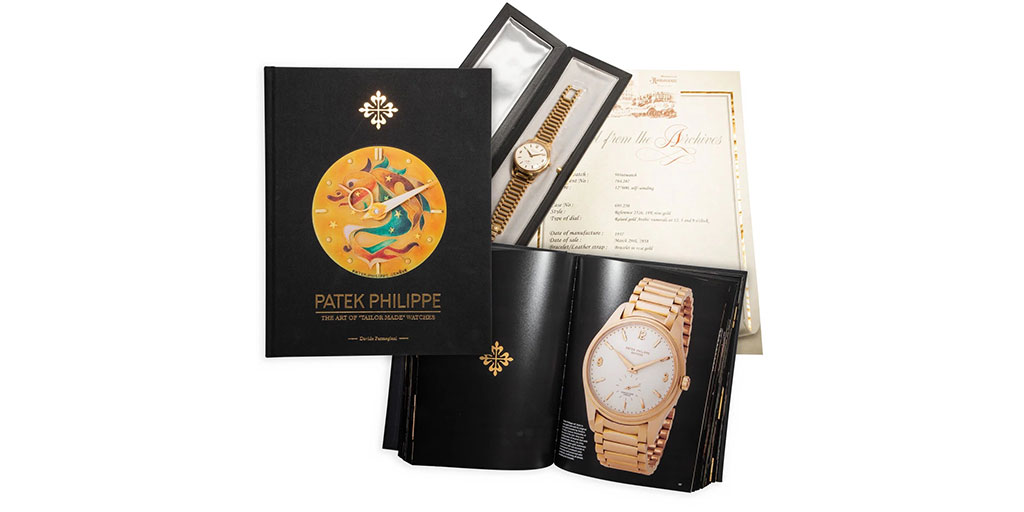
The watch below was described in the auction catalogue as “An extremely Rare and Special: Calatrava Automatic Wristwatch in Pink Gold with White Enamel Explorer Dial, Original Pink Gold Bracelet, Box, and Extract from the Archives, Retailed by Serpico y Laino, Reference 2526, Featured in Davide Parmegiani’s Book”. This example from 1957 on a Type F bracelet was sold on October 2024 for €231,250.
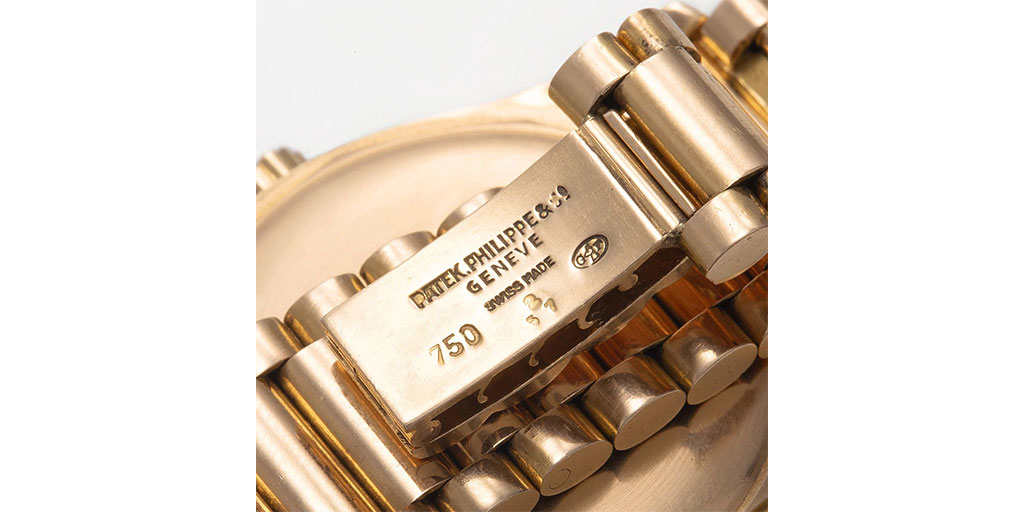
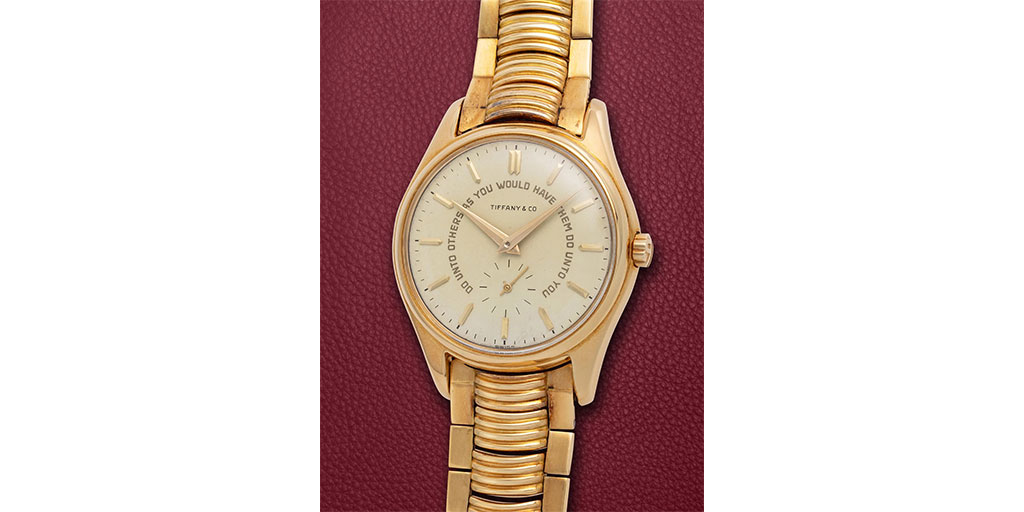
A yellow gold LBJ “Golden Rule” dial example below from 1953 with Tiffany & Co retailer signature on the dial sold in April for €137,500. It was fitted to the Type G “Lobster” bracelet made by Ponti Gennari and stamped Patek Philippe.
COLLECTOR RECOMMENDATIONS
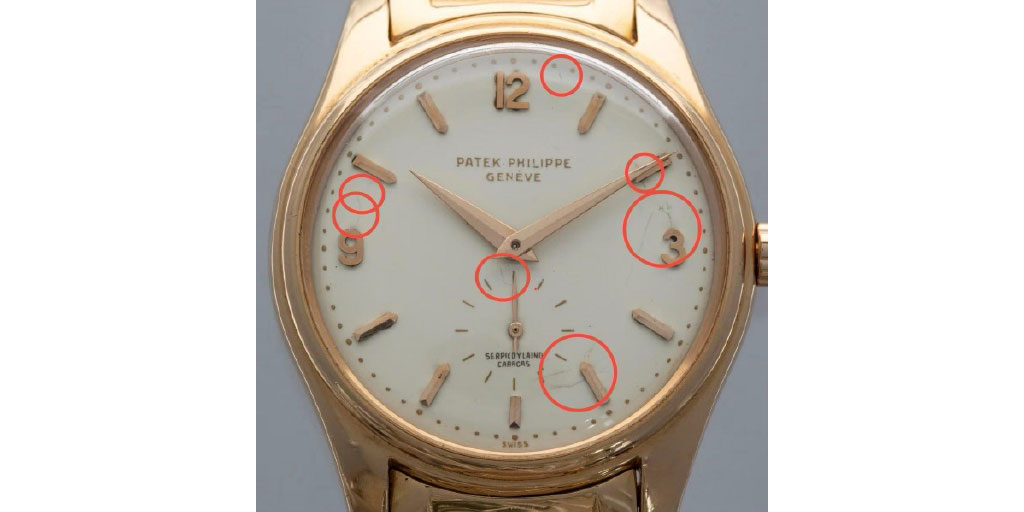
Condition of the dial is absolutely paramount for this reference in particular. It takes careful examination of the dial by someone with experience and knowledge to assess true condition. On damaged dials, some cracks may be visually evident, while some smaller micro-fissures are trickier to detect. Once the dial has fissures or cracks, it won’t be repairable and will likely worsen. Cracks or fissures therefore have a dramatic impact on the value of this reference. My recommendation is to seek consult from experienced individuals, when uncertain about the dial and its integrity to properly evaluate an example for purchase.
Recently, an online auction featured one of up to three examples known of a very rare rose example similar to the example featured in this article and sold by Monaco Legend Group in 2024. The estimate on this other very rare example was multiples lower, as the dial condition is properly described and clearly shown with multiple cracks. Kudos to the auction team, for their accurate representation of the dial condition in the report and for sharing very clear images that illustrate the damage visible enough to make an informed decision without seeing the lot in person. Transparency in representation is always appreciated and should be the norm. This example actually achieved a result in excess of the top estimate and beyond what I would have expected.
Assuming top condition with structural integrity — first series dials with the hallmark flared “dimple” points near the marker pins typically generate stronger results than later series, given the scarcity of top remaining examples in the market. Overall condition of the dial, case and movement should always be factored.
Special examples, to include rare dials or metals such as platinum and white gold continue to command the strongest prices and auction results. Rose gold examples, while rarer than yellow gold have also escalated in recent public sales over the past two years.
In my original article, I covered the bracelets made by Gay Frères and Ponti Gennari for the ref. 2526 in particular. This reference has a visually stunning and coherent appearance when paired with a correct bracelet that was intended for the watch. Extra consideration on value should be given when the extract mentions an original sale of the reference on a bracelet. Sometimes the extract will read that the watch was sold without a strap, which indicates it was most likely paired at point of sale with one of the original bracelet options to the watch at the customer’s preference. Finding examples with either extract description is interesting and worth a premium in my opinion, if the watch and bracelet are in top condition.
A few comments are worthy on the subject of wearability. This reference in particular is often feared to be worn often, as many collectors express some level of discomfort around regular wear for fear of dial damage. My point of view is the ref. 2526 was meant to be worn and should be able to withstand careful wearing and usual care for a vintage watch. I don’t believe dial cracks just form with careful, occasional wear. The most likely and main reason for fissures or cracks is from dial removal and installation during a service. For that reason, it’s very important to select a watchmaker with experience handling enamel dials. The removal and setting of the dial must by done with skill and precision to avoid torque or overtightening of the dial to the movement. This is often a reason for dial damage.
It goes without saying that a hard drop or knock should also be avoided for the obvious reason of shock to the dial of any vintage watch, but more likely damaging to an enamel dialed watch in particular. Finally, I would avoid sudden and extreme changes in temperature. While I am not certain this would actually damage the dial, it just seems like a prudent precaution for one to take with an enamel dial.
CLOSING THOUGHTS
The ref. 2526 has a timeless appeal, given the large 36mm case size for the era, iconic automatic movement and the apparent “age-resistant” appearance of the enamel dial on most examples. In recent years, celebrities such as Brad Pitt have been spotted wearing a ref. 2526 on a bracelet, adding credence to its current mainstream-culture appeal. With regard to the enamel dials (silvered dials were mounted on some examples), they are the exception to the rule on vintage watch dials where a white or overly “bright” appearance is often a sign of invasive cleaning or restoration procedures having been performed during the journey through time.
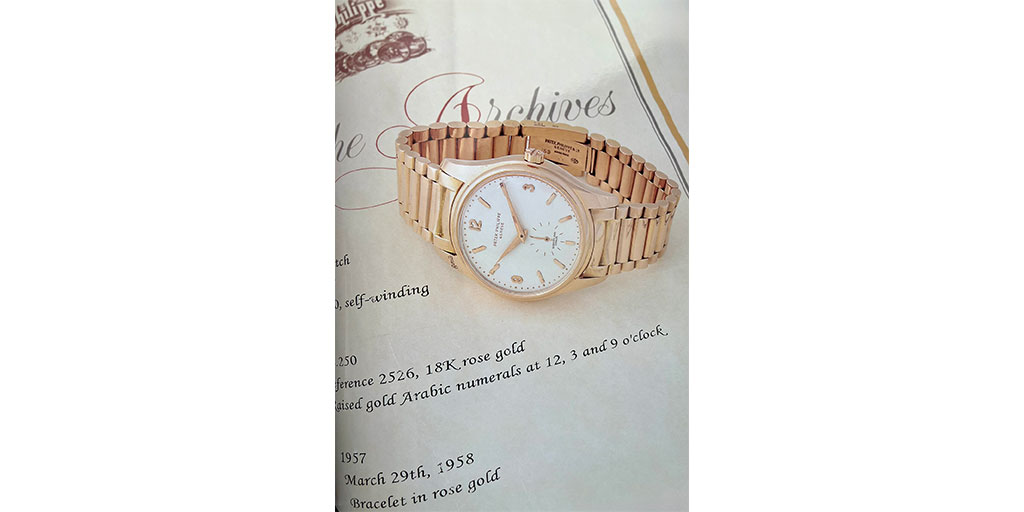
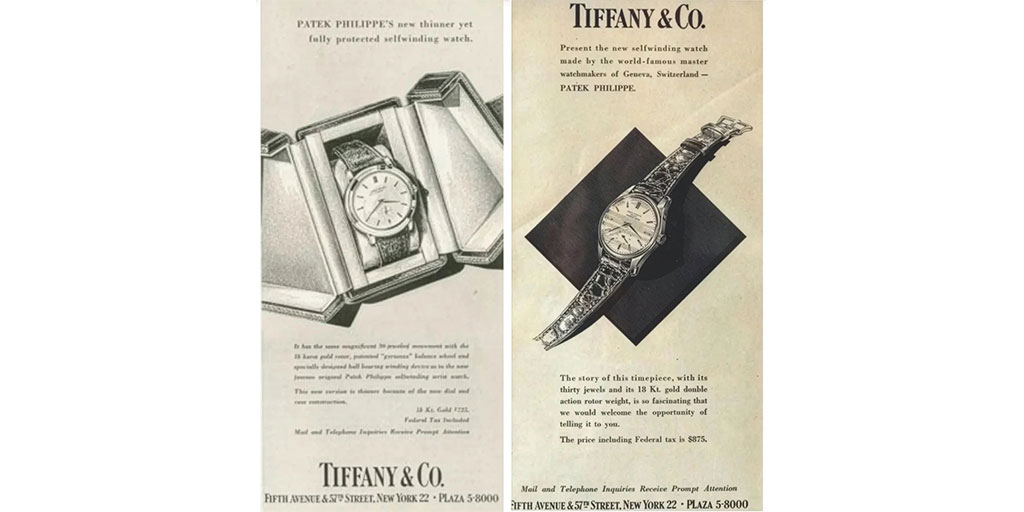
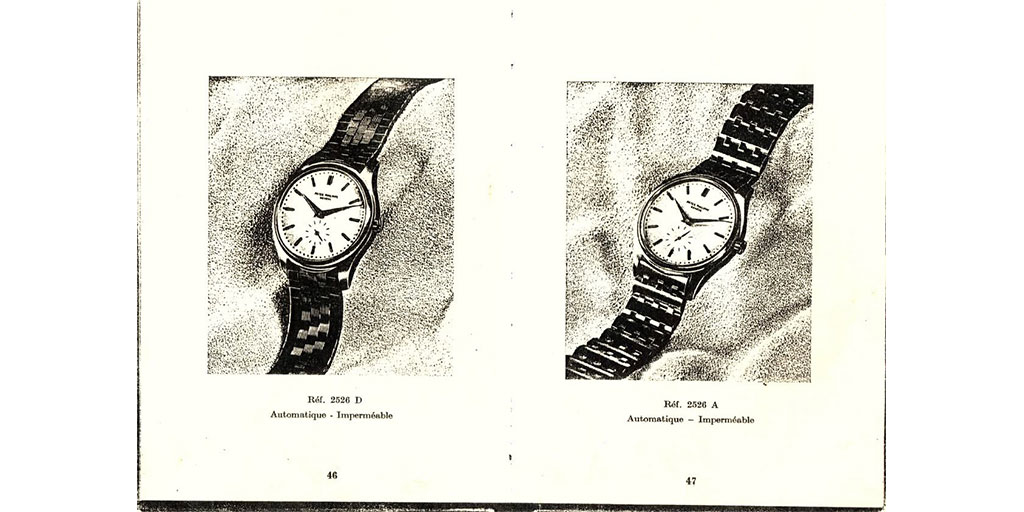
To close out, I always enjoy looking back to the original time period to study details and see how a watch was presented decades ago. It’s a great pleasure to discover period images, so a special thanks to Brandon Thomas for sharing the following image with me. It is for express use in this reference article as an update to my original publication.
Please visit this link to read the May 2024 first version of this article at Aircooltime.com
About the Author
Paul Engel is a recognized authority on vintage Patek Philippe and Rolex wristwatches. He is the author of www.Aircooltime.com, a website dedicated to in-depth analysis and reviews of vintage timepieces. His expertise has been featured in auction cataloguing and online publications such as Robb Report and GQ. He has contributed articles to leading watch platforms including Hodinkee, Collectability and Matthew Bain Inc. Paul also shares his insights with a wider audience through his @Aircooltime Instagram account.
Image credit for lead picture taken from page 139 — PATEK PHILIPPE The Art of “Tailor Made” Watches. Authored by Davide Parmegiani.