The history of Patek Philippe as remembered by Alan Banbery
PART I – WAR, WATCHES, AND THE MAKING OF A PATEK PHILIPPE MAN
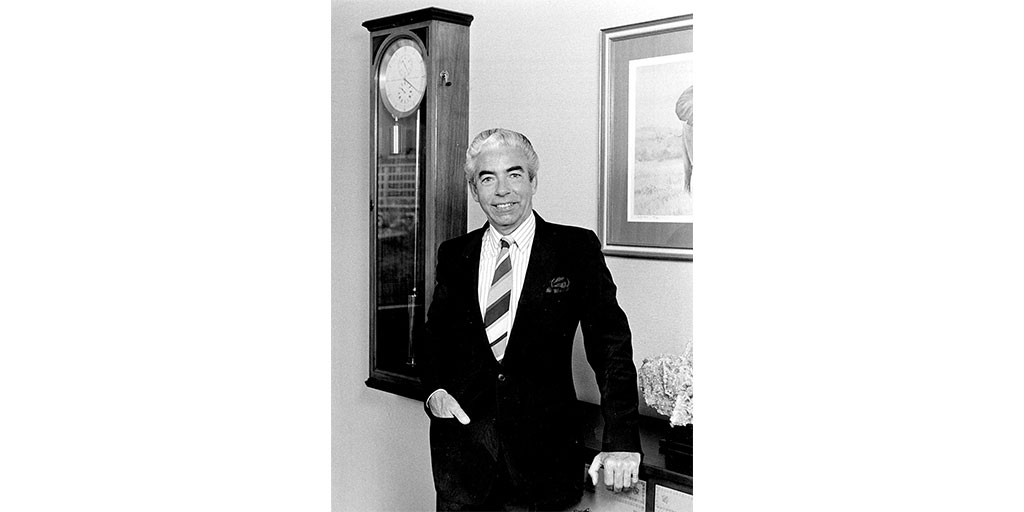
In the world of watchmaking, a few names sit not on dials or bridges, but behind the scenes — people whose decisions, memories, and instincts quietly shape how a great manufacture understands itself. For Patek Philippe, one of those people is Alan Banbery.
For 36 years, Alan Banbery worked for Patek Philippe primarily as an Area Sales Director, yet his influence on the company is known to most people through the two seminal books he co-authored with Martin Huber, and the creation of one of the world’s leading horological institutions, the Patek Philippe Museum. In the chronicles that follow, we will also learn that Alan Banbery influenced many other areas that shaped the history of Patek Philippe.
Earlier this year, I had the great privilege of meeting with Alan Banbery at his home outside Geneva. Alan Banbery rarely gives interviews, yet he was extremely generous with his time and candid with his comments, always respecting the people and the company to which he devoted the greater part of his professional career.
What follows in The Banbery Chronicles is not an “official” corporate chronology. It is the history of Patek Philippe as Alan Banbery recounted it to me: a long conversation rendered into narrative, colored by the experiences of a London boy who survived the Blitz, became a gifted watchmaker, and helped to build the modern image and memory of Patek Philippe.
A Childhood Under Bombs
Alan Banbery was born in London in 1932. His childhood was marked by a trio of shocks that arrived almost simultaneously. His elder sister died of meningitis in 1939; war broke out; his father lost his job as a bank manager. The strain tore his parents’ marriage apart and forced mother and son into a new, more precarious life.
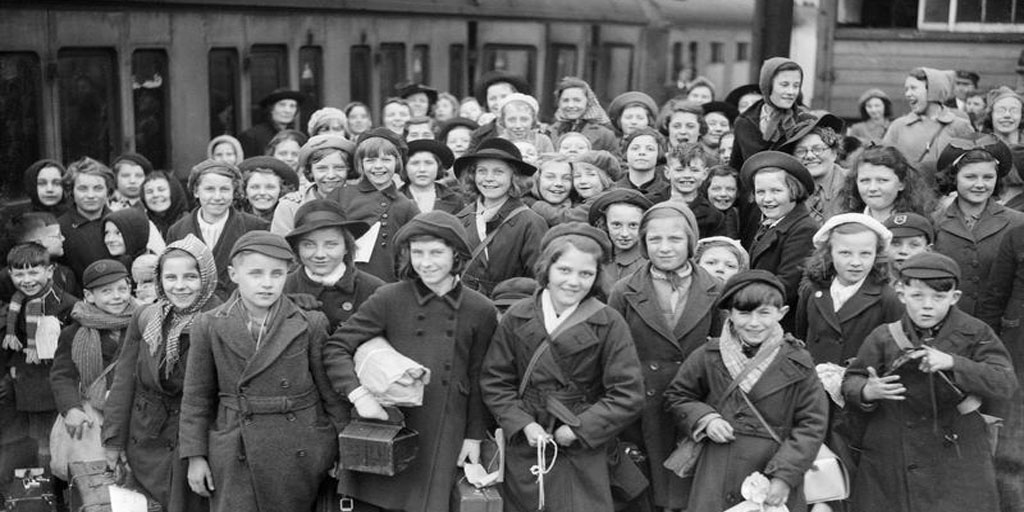
He enrolled at Westminster City School just as the evacuation of children from London began. Alan was sent to Cornwall, but the separation became too much for his mother, who had already lost a daughter. Her reaction, as Alan tells it, was pure fatalism and love:
“If we are going to die, we will all die together.”
She brought him back to London, into the heart of the Blitz.
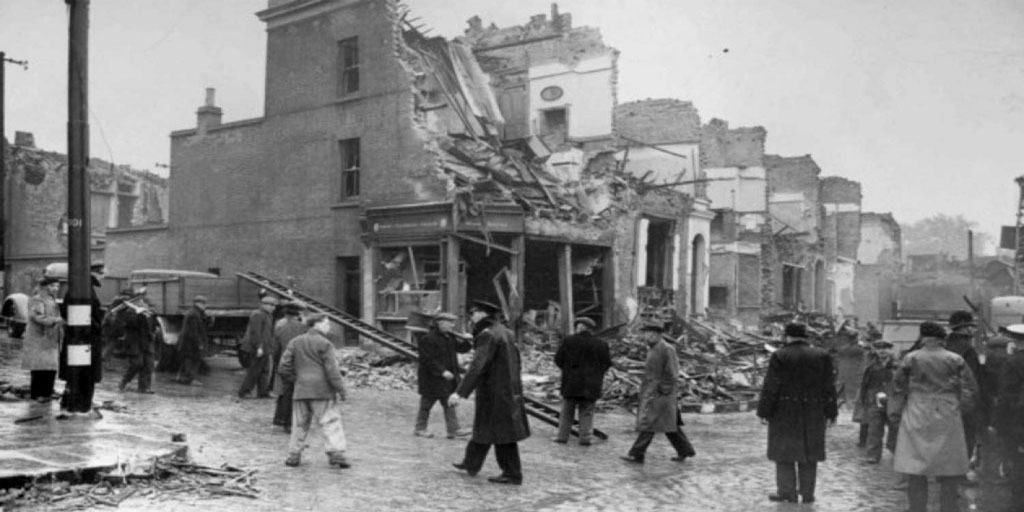
The war quickly became the backdrop of his education. In 1940 his school, his home, and his grandparents’ house were all destroyed by bombing. He recalls sitting down with his family to enjoy the weekly “feast” of rationed food when the sirens went off. As bombs began to fall, the three of them dived under the table just as the front door blew open and the ceiling fell down. Their first thought once the dust settled was not the building, but the food: rations were so precious.
After the raids, Alan and his friends roamed the wreckage, collecting shrapnel and watching ARP (Air Raid Precautions) wardens pull bodies from ruins. He remembers the night the London docks burned, seven miles of waterfront in flames, the sky turned a deathly red.
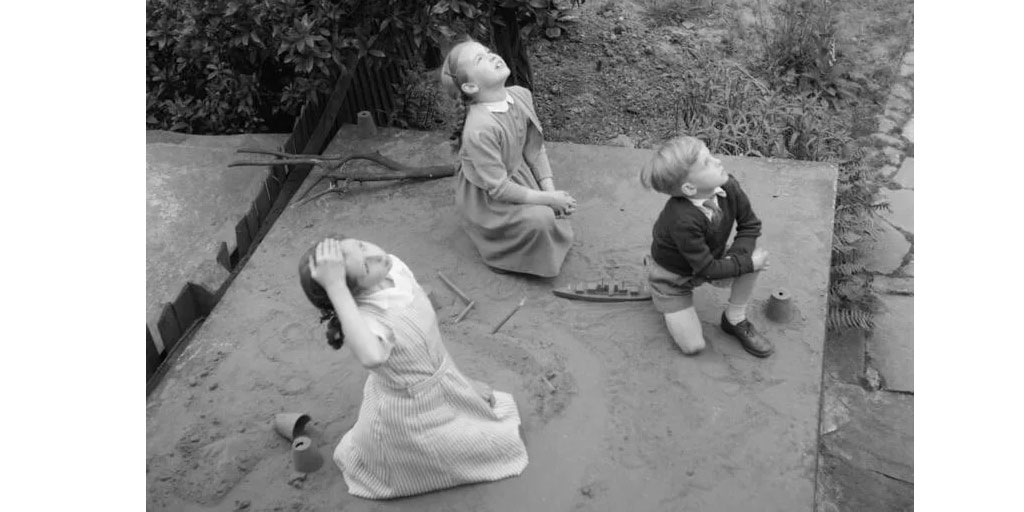
Later came the V-1 “doodlebug” flying bombs. When those began falling, his school was evacuated again, this time to Tonbridge, a town 50 miles south of London. Alan ended up lodging with four other evacuees in “Hawthornes,” a big house on the London Road belonging to Mrs. Spankie, wife of an army colonel.
For the following five years, through D-Day on June 6, 1944, and the eventual end of the war in 1945, he watched the war roll past. “The interminable convoys of military vehicles” rattled along the London Road; bombers limped home from the Thousand-Bomber Raids on Cologne, Essen and Bremen. One B-17 crash-landed nearby. Alan and a friend immediately cycled out, seeking souveniers from the wreck. He kept a rev-counter from the one of the engines for years. Another boy picked up a live cannon shell; some months later he threw it into a garden bonfire, and was badly burnt on a hand when it exploded.
Despite all this, Banbery insists he was “Strangely enough, never frightened. Perhaps I was too young, but we took it all for granted”. The war was simply the world as it was. His greater source of anxiety was school.
“A Dunce with Gifted Hands”
By his own account, Alan’s academic performance was dismal. He scraped his through his School Certificate with marks too low to follow the veterinary career his mother hoped he would pursue. He jokes, only half-seriously, that he was “a complete dunce”.
But war had taught him to work with his hands, and there he excelled. He built model ships and, inevitably, model aircraft. Teachers and family alike began to notice. He might not shine in Latin or mathematics, but he had an extraordinary natural ability for fine manual work.
“I was no academic” he says with characteristic self-deprecation, “but I had a gift in my hands.”
It was that gift, more than any exam result, that opened the door to watchmaking.
A Swiss Door Opens
The bridge to Switzerland came through family. One of Alan’s cousins was married to Marcel Leuba, a Swiss businessman who owned a company in London called British Watch Cases. It was suggested that, instead of following a conventional British apprenticeship, Alan should go to watchmaking school in Switzerland — the heartland of the craft.
Marcel’s parents lived in Bienne and offered him a base there. So, at just seventeen, speaking hardly any French, Alan boarded a train and left bomb-scarred London for neutral Switzerland.
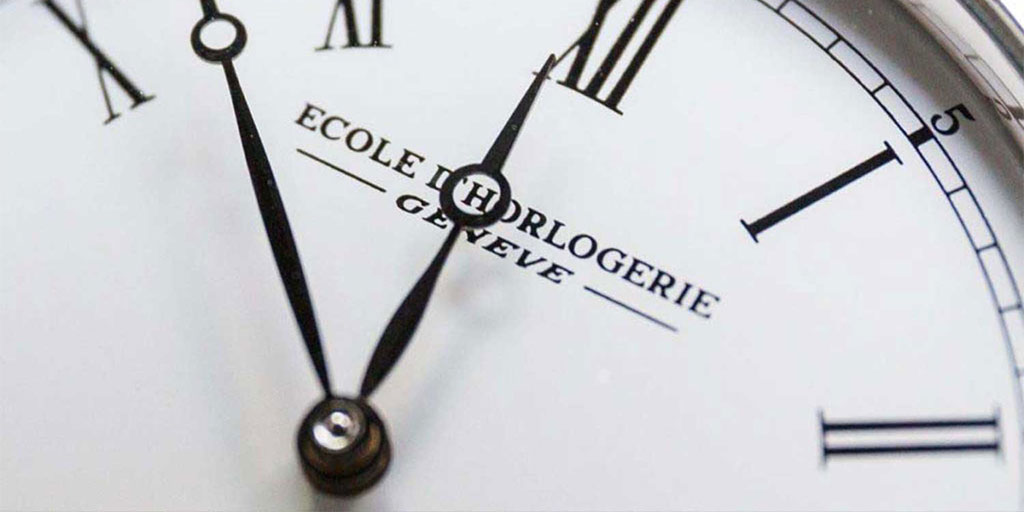
When he arrived in Bienne, it was discovered that the local watchmaking school was full, and the term already underway. Fortunately, Marcel’s father reached out to the École d’Horlogerie de Genève, which agreed to take the young Englishman. He joined mid-term and was promptly told he would have to repeat the year.
That apparent setback turned into an advantage. It gave him time to catch up technically and to learn French. He was able to study under some legendary watchmakers including André Bornand (1892-1967), one of the great tourbillon makers of the twentieth century, who Alan would meet again later at Patek Philippe. Realizing Alan’s exceptional talent, Bornand, under his supervision, got him to repair a detent escapement for a marine chronometer, an exacting and testing task of precision.
Between 1949 and 1954 he lived in a modest pension in Geneva, with meals provided from Monday to Saturday. Money was tight. By the end of the week, he often had only fifty centimes, which he spent on a single jam-filled biscuit at a bakery called Brioche de la Lune. That was his Sunday meal.
Despite the occasional hunger, he was happy. He had found something he loved and knew he could excel at. He mastered technical drawing, a key discipline in traditional horology, and finished top of his class in practical work and near the top in theory. He had discovered not just a trade, but an identity.
Universal Genève and a Disaster
After witnessing war close-up, Alan felt strongly that he should complete his military service. Before that, however, he needed to do an apprenticeship with a watchmaker.
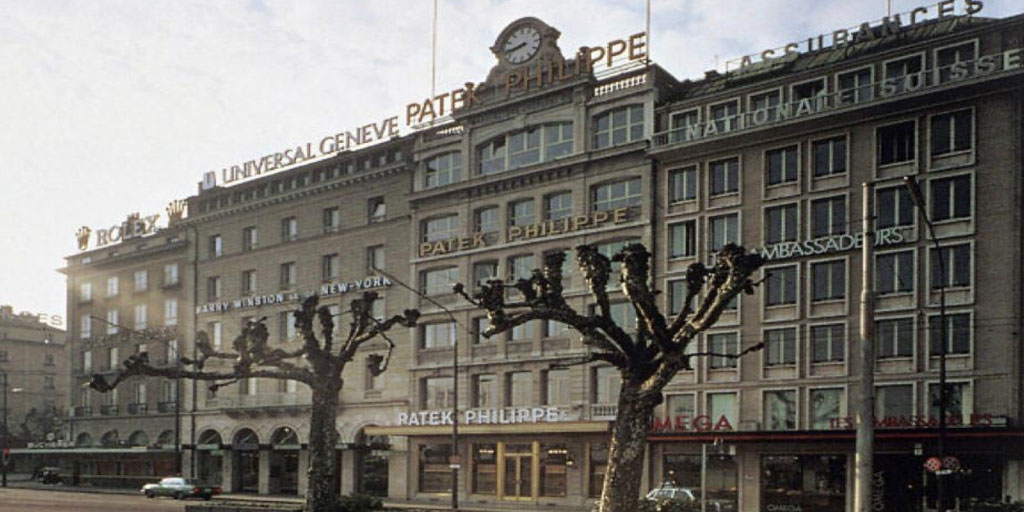
He applied to Patek Philippe, but the company wanted a longer commitment than he could give before returning to Britain. Universal Genève was more flexible and offered him a position in its repair workshop on Rue du Rhône, as chance would have it, next door to Patek Philippe.
The daily wage of 2 francs and 20 centimes an hour felt like a fortune after years of student poverty.
His first day, however, was a catastrophe. He was given two steel-cased, complicated pocket watches to disassemble, clean, oil and reassemble — straightforward work for a trained watchmaker. But he could not open the first case. Resorting to force with a case opener, the case opener slipped and destroyed the dial and hands. Fortunately, the head watchmaker, Monsieur Vuilleumier, was a kind and sympathetic man and asked him to work on the second, complicated pocket watch. The same thing happened again!
For fifteen minutes he sat in stunned silence, until he could apologize, once again to Monsieur Vuilleumier, who very kindly, forgave him yet again. Over the rest of the year Banbery redeemed himself, but he never forgot the experience.
The Army, Discipline, and Return to Britain
Between 1956 and 1958, Banbery served in the Royal Horse Artillery, Airborne Brigade, a prestigious, historic arm of the British Army. He completed parachute training, travelled widely, and took part in operations during the Suez Crisis. His marksmanship, first noted in his school cadet days, served him well.

The army also honed his natural tendency toward order. The discipline, neatness and sense of duty it instilled would stay with him, shaping the meticulous way he later approached after-sales service, collecting and archiving.
After his service, he returned to London and had to fulfil the contract he had made with Marcel Leuba: in exchange for helping to get him enrolled into the school of watchmaking, Alan was to be employed at British Watch Cases. The work, though, was too easy. He found himself repairing modest watches “to Geneva standards,” effort that the objects and clients did not require. Reluctantly, he broke his contract and left British Watch Cases.
Next, Alan had his first experience working in sales for James Walker Jewelers who were opening a pilot, watch-only store outside London. “The shop started to become very successful, more so than the main, much larger James Walker store down the road!” recalls Banbery, “However, I became impatient being a salesman in a small shop and after about a year, I resigned!”
Then fate — and reputation — intervened.
Garrard, Royal Crowns, and Interesting Clients
Donald de Carle, author of several horological reference books and Head of Watchmaking at Garrard & Co., the Crown Jeweler to Queen Elizabeth II, heard about Banbery and offered him a job. At Garrard, Alan inherited the “book” of a recently deceased salesperson — a ready-made roster of demanding clients. Alan’s transfer from the bench to the sales floor had been solidified.
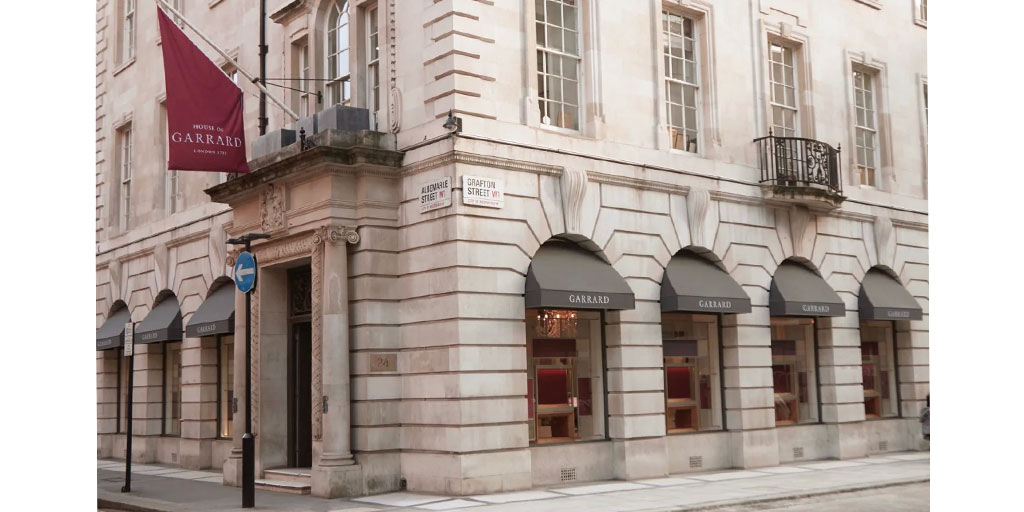
Working for the Crown Jeweler meant proximity to extraordinary objects. Garrard was responsible for maintaining the Royal regalia. Each year, prior to the opening of the Houses of Parliament, Bill Summers, the Crown Jeweler, would collect the Imperial State Crown from the Tower of London in a taxi, carry it to the workshop for cleaning, and return it the same way. “Can you imagine that happening today?” remarks a still incredulous Alan Banbery.
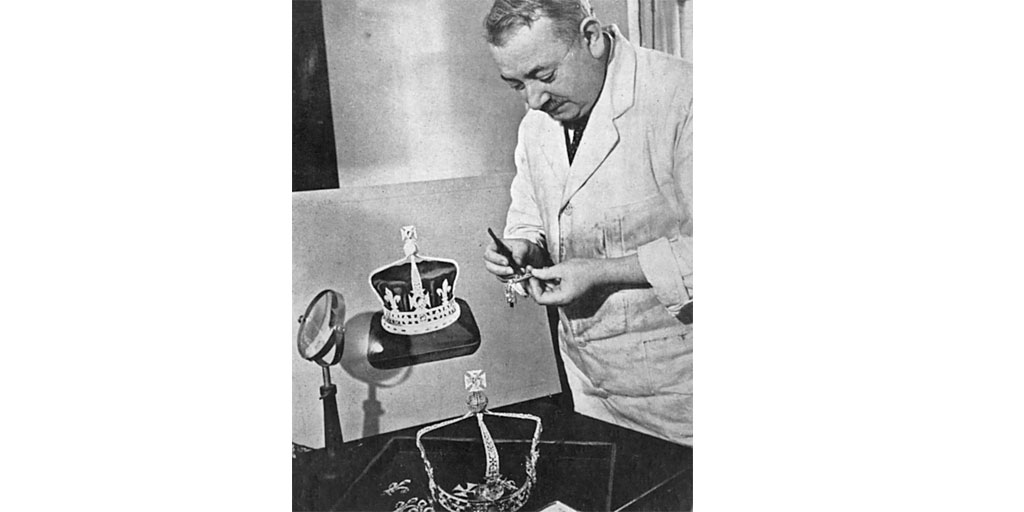
Alan recalls trying on a royal crown and handling the famous Cullinan diamond, the world’s largest diamond. These were not just fine objects but symbols of continuity and ceremony — values that would later resonate with Patek Philippe’s own carefully crafted image.
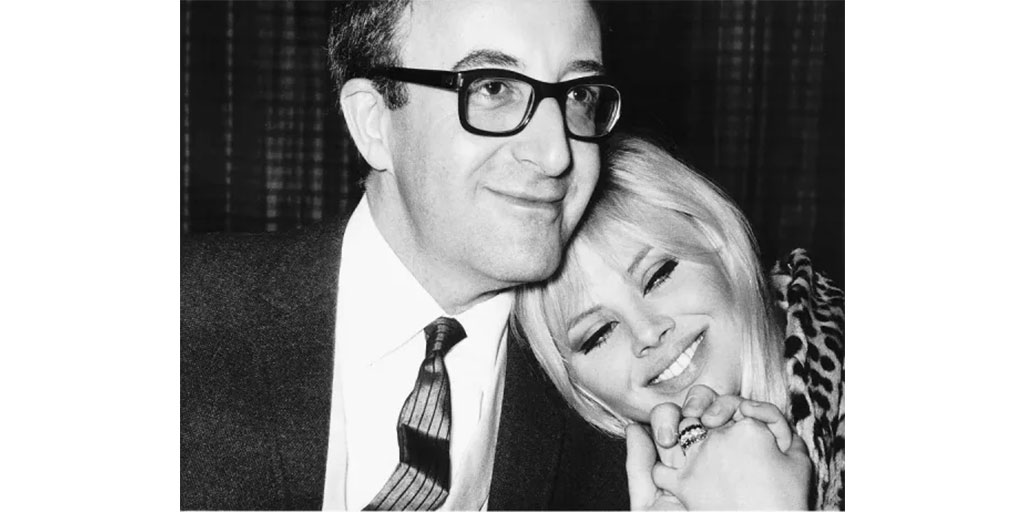
His client list soon expanded to include aristocrats, politicians, and actors. He advised Britt Ekland on her choice of engagement ring when she became engaged to Peter Sellers. He attended the Duke and Duchess of Ayrshire, who trusted him enough to leave their two children in his care for a few hours during a visit to London. He entertained them by having them wind and set some of the chiming clocks in the shop — to the concern of colleagues when all the clocks struck at once.
It was at Garrard, during a Patek Philippe exhibition in 1964, that his life took its decisive turn.
Meeting Henri Stern and the Road to Geneva
In the autumn of 1964, Patek Philippe staged an exhibition at Garrard. Henri Stern, the company’s President, noticed the sharp, technically fluent English watchmaker who was handling Patek Philippe timepieces with unusual confidence. He asked Alan to join him for a drink after work at the Regent Palace Hotel in Piccadilly.
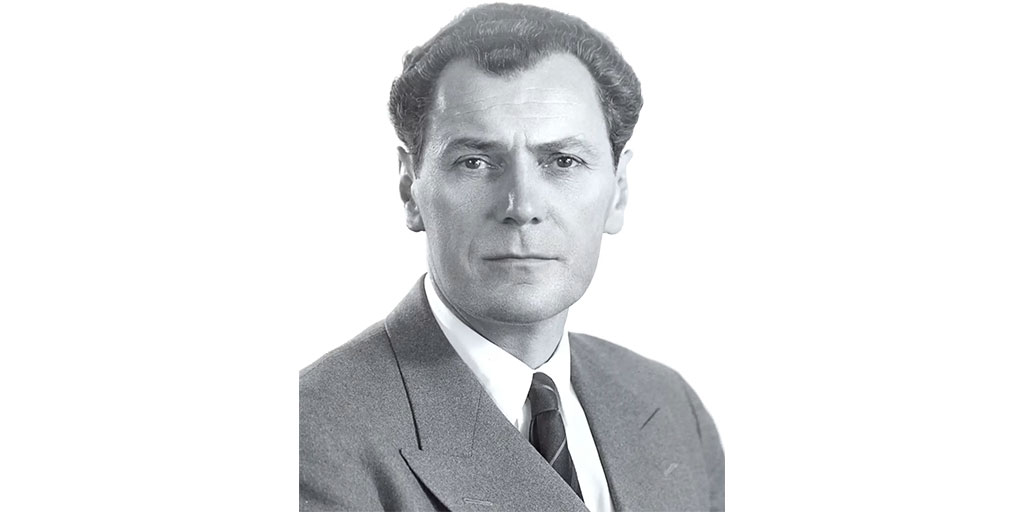
Henri did not offer him a job outright but made it clear that if Banbery wished to join Patek Philippe, there would be a place for him.
For Alan, this bordered on fantasy. As a student, he recalls, “I would walk past the Patek Philippe salon every weekend and gazed through the huge windows at the three and a half watches on display! Patek was my dream, but I never, ever dreamt that I would be working there.”
In March 1965, his dream was realized. He moved back to Geneva, this time fluent in French and armed with both British and Swiss watchmaking experience and joined the Manufacture whose history he would spend the next three decades helping to shape — and later, to remember.
###
In Part II of The Banbery Chronicles we will learn about Alan Banbery’s early career at Patek Philippe and how he quickly influenced sales and marketing, and started to collect what would become one of the world’s most important horlogical treasures.