A timeless classic — sometimes overshadowed, yet deserving its own spotlight.
INTRODUCTION
The ref. 2509 had a production run from 1950 to 1968. It’s the sibling to the ref. 2508 with some very similar and also very different features. Both were manufactured and housed in the famous Francois Borgel, (Taubert) screw-back case designs and while they look similar in some respects, they are also different in case and dial design, along with the movement(s) used – all of which we’ll touch on in this reference article.
The ref. 2509 is another so-called “Calatrava” model by current terminology. Among collector conversations, the ref. 2508 often takes the limelight in direct comparisons, however the ref. 2509 deserves proper respect on its own merits as a worthy reference worth hunting for to include in one’s vintage, time-only Patek Philippe collection.
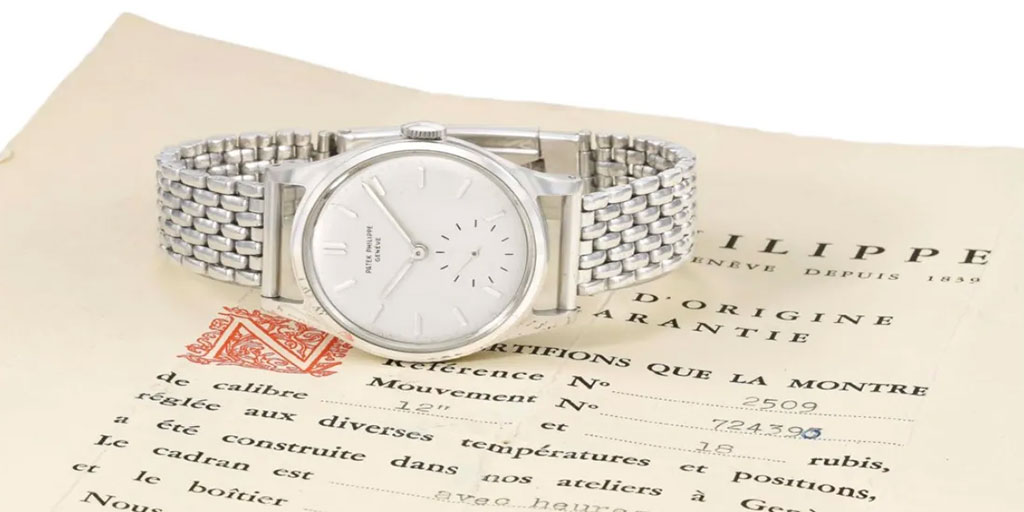
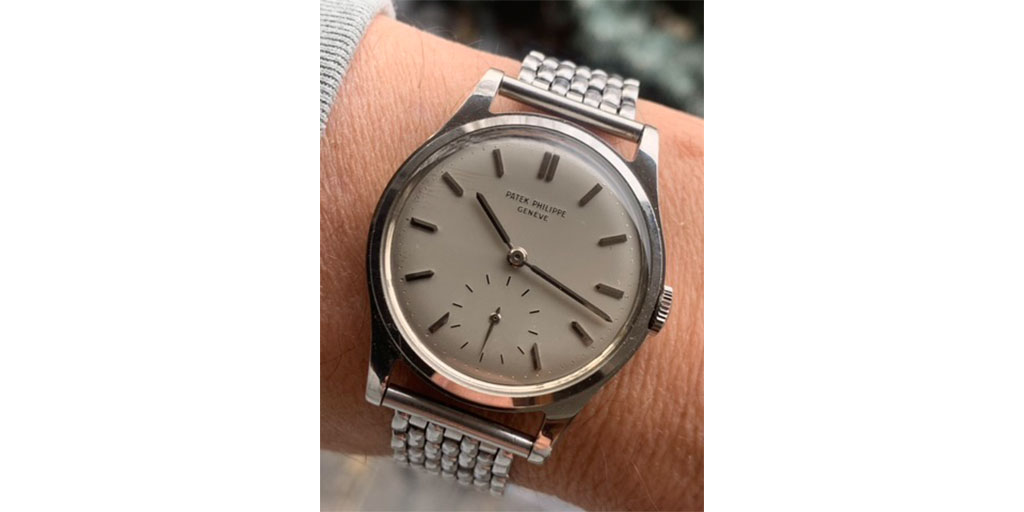
The ref. 2509 was manufactured in precious metals of yellow and rose gold. Steel was the other material and is the rarest in terms of the numbers produced, followed by rose gold. Approximately 10% or less of the original production across all metals is currently known back in the market. Yellow is the most common with < 80, followed by rose gold at < 30 and finally steel at approximately 25 examples — according to published information and discussion among experts in the field. Given the passage of time, finding examples in what is considered top, collector-grade condition is not an easy task and is becoming more difficult in recent years.
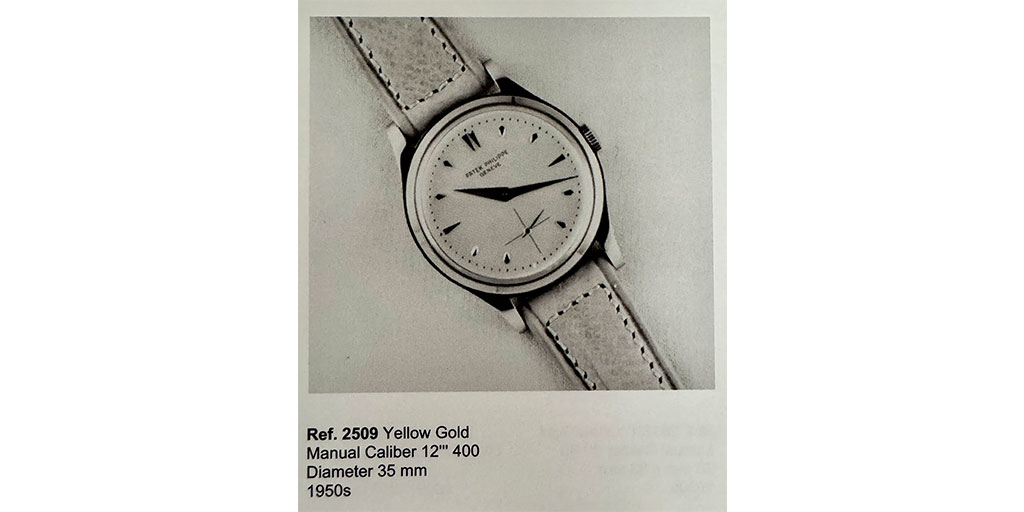
THE DIAL
Similar to the ref. 2508 sibling, these dials are best categorized by type as opposed to series, given the non-linear appearance of different styles that were introduced during the reference’s production. The dials fall into two distinct types, with the second consisting of two sub-types for a total of three unique dial configurations. Dial finishes known on the reference are typically silvered and less common, rose. Unlike the ref. 2508, I’m unaware of any black dial examples known. Let’s break down the different dial types.
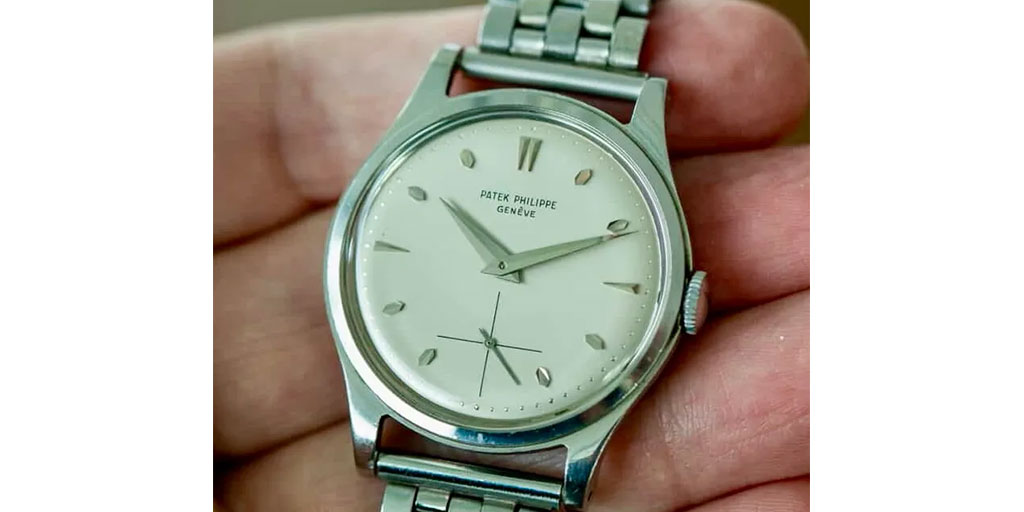
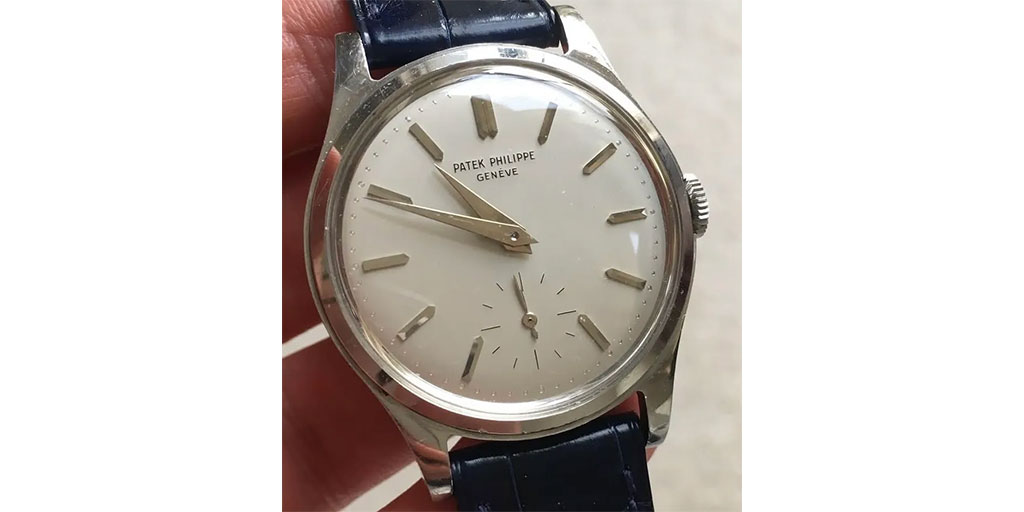
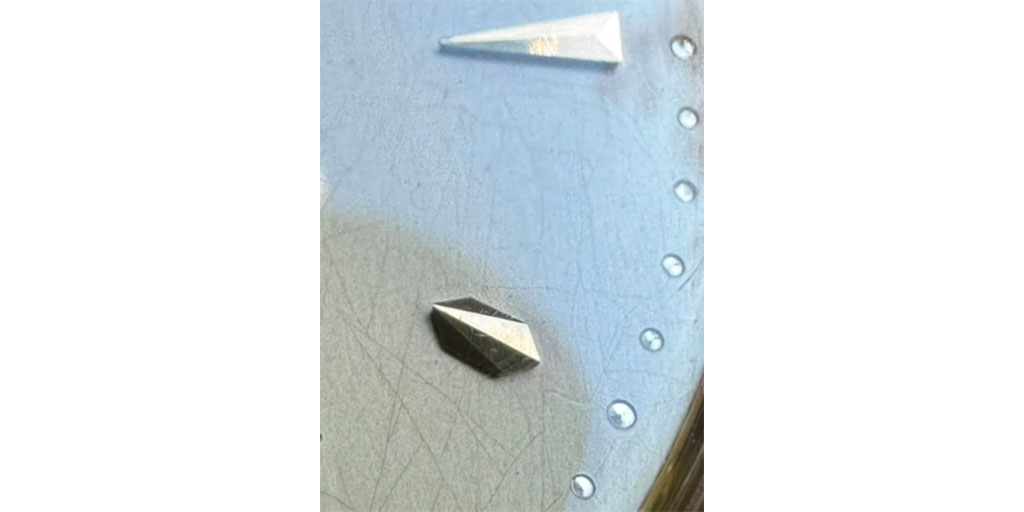
Type 1 – This is the quintessential appearance of the ref. 2509. It sports a dial with geometrically shaped indices. The twelve marker is a dual faceted dagger, the three and nine markers are singular daggers, while the other hour markers are faceted and uniquely creased to resemble something like the paper airplane I folded and flew during a teacher’s classroom break at school in my youth. Unfortunately, I was caught in the act of launching it when the teacher opened the door back to class, which resulted in a trip to the principal’s office for me!
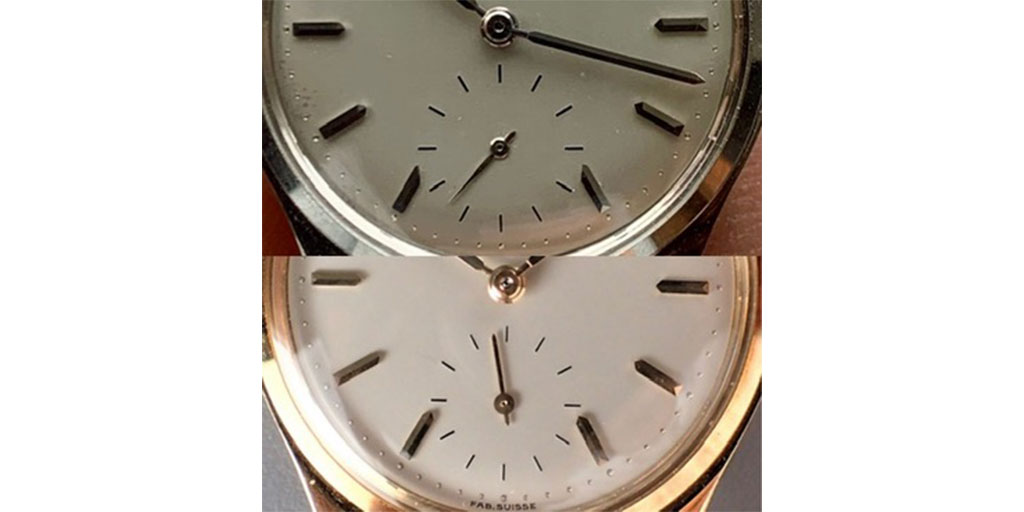
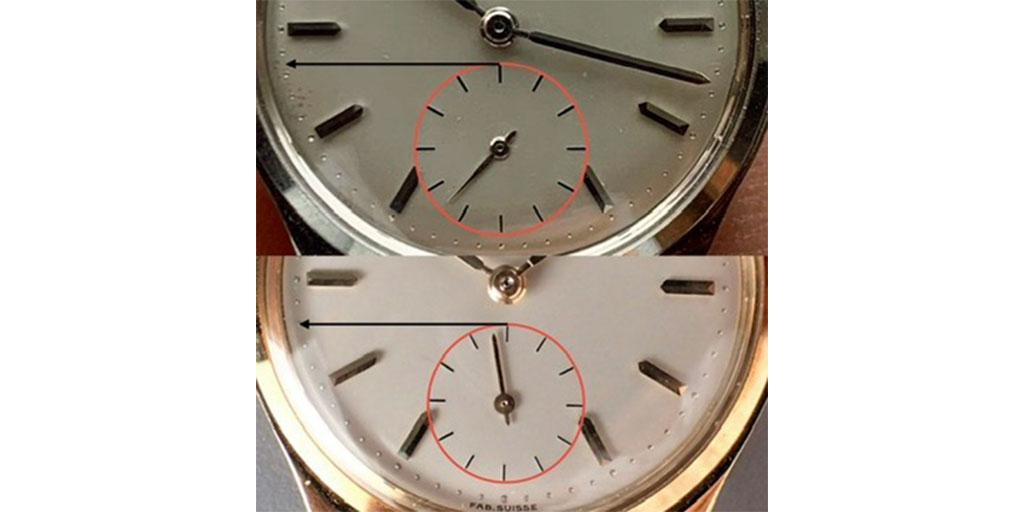
The result of the creased facets is a dial with markers that reflect light with a touch of understated brilliance. This marker configuration is unique to the ref. 2509. The sub-seconds indicator stands in contrast to the hour markers, as a simple engraved, enameled crosshair design which divides the seconds into four sections of fifteen second intervals by sector lines of equal proportions. The minutes track is pearled with dauphine hour and minute hands, and a leaf sub-second hand.
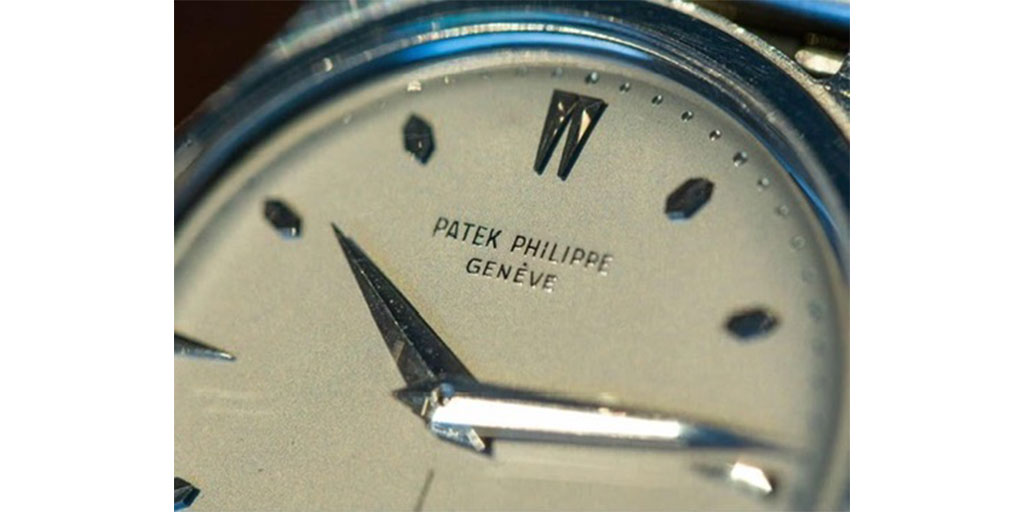
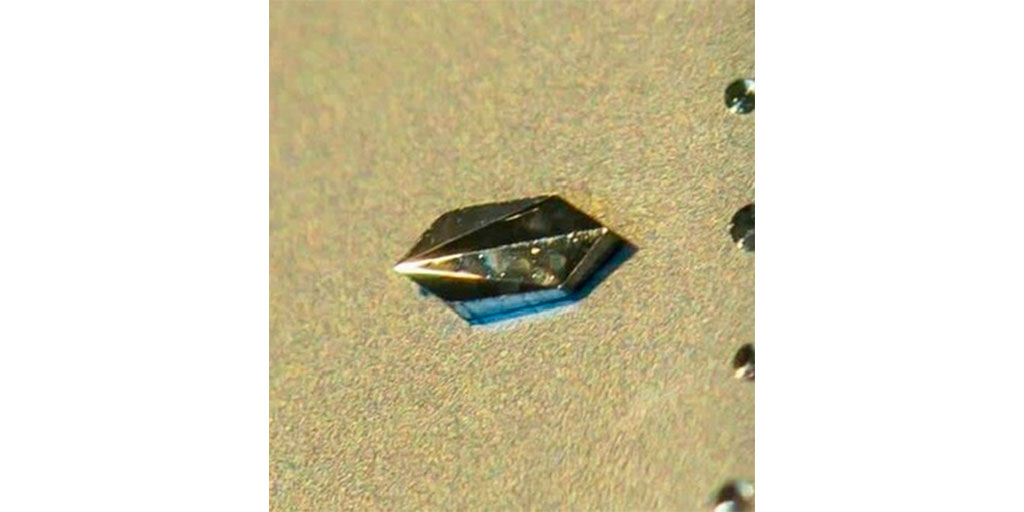
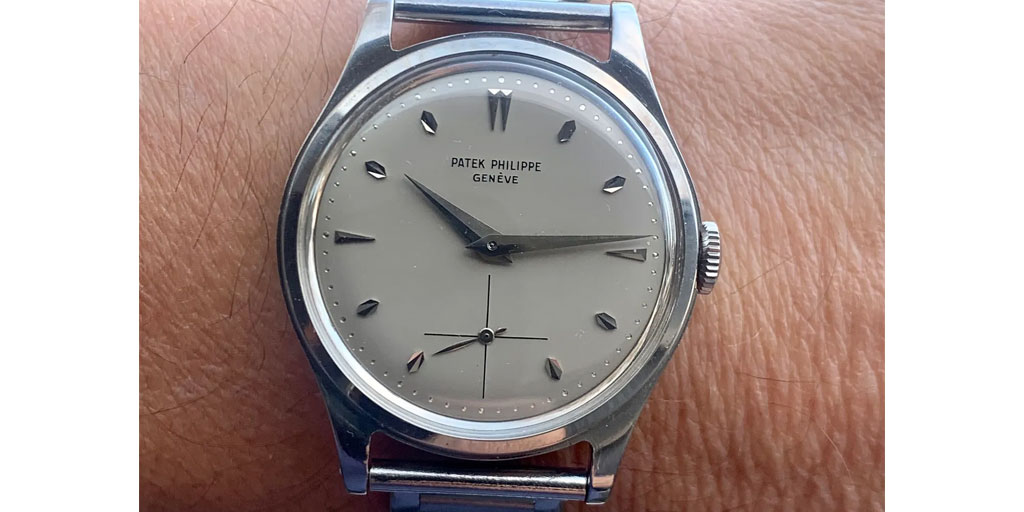
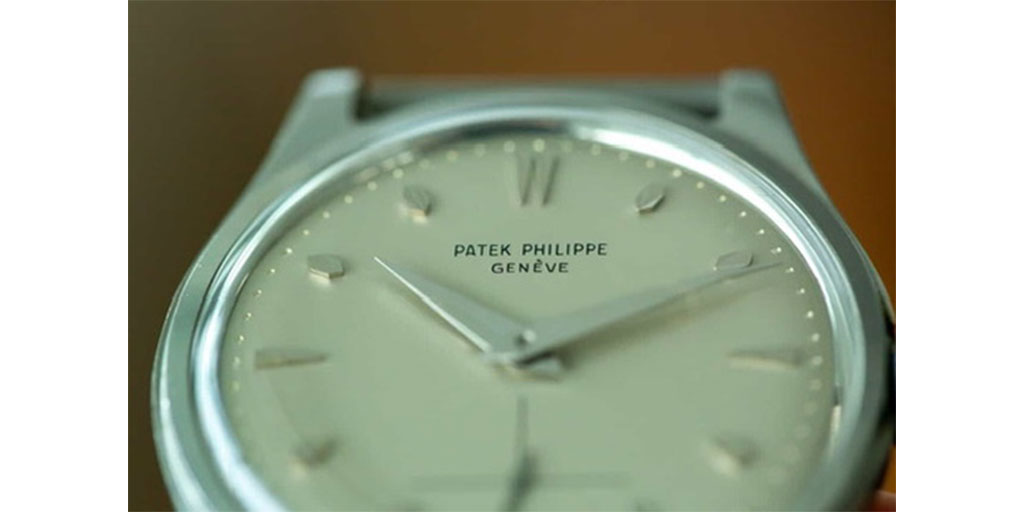
Type 2 – This type features lapped indices to mark the hours and is divided into two subtypes.
Type 2A – Lapped indices that are either solid or radium lume filled. The outer markers are pearled and the hour and minute hands are either solid or lumed dauphine with leaf sub-seconds. The sub-seconds track is the enameled crosshair sector style. On at least one known example in rose gold from 1954 with solid lapped indices, the five and seven markers are tapered at an angle.
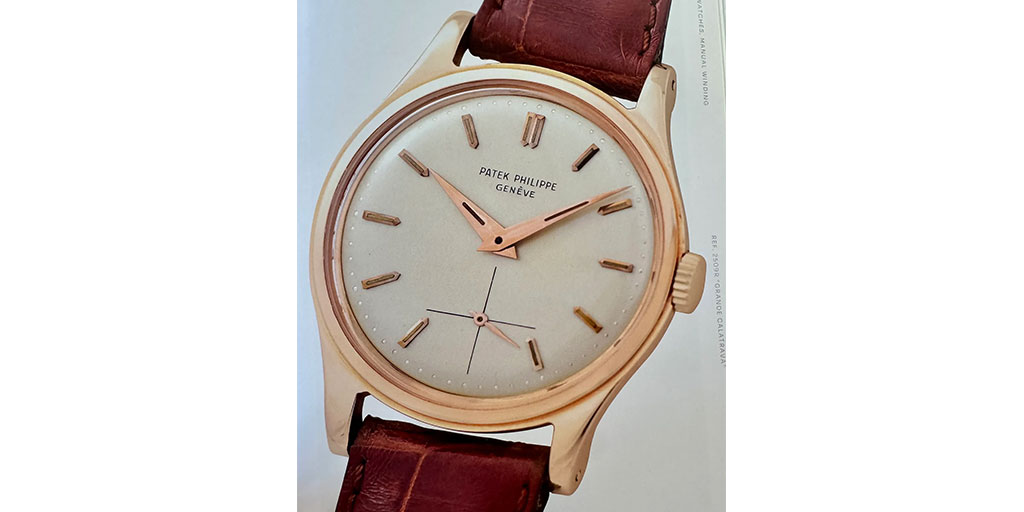
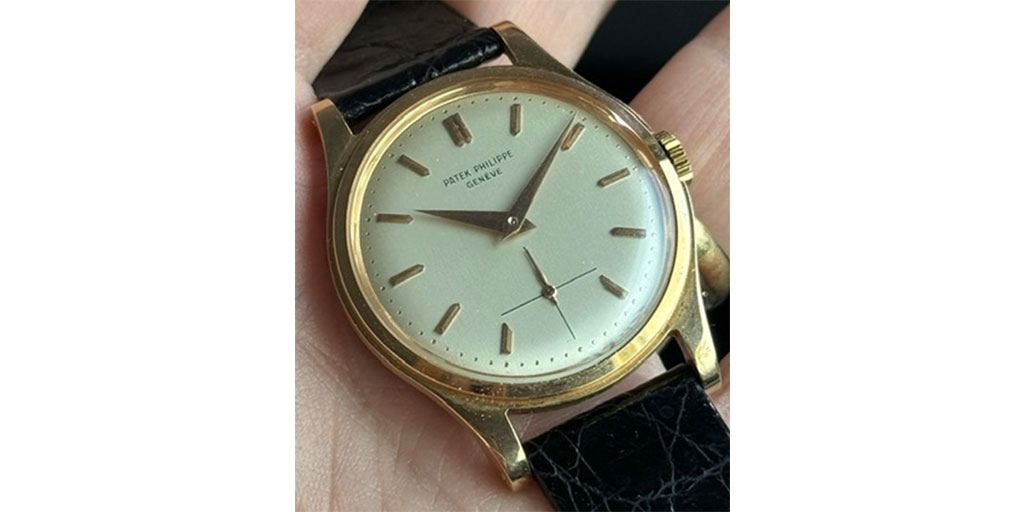
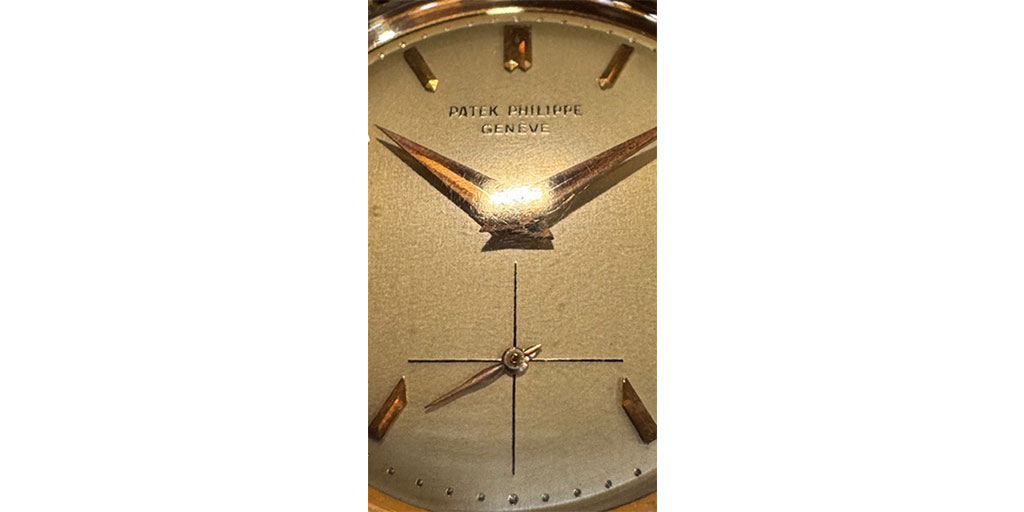
Type 2B– Lapped indices that are either solid or radium lume filled. The outer markers are pearled, and the hour and minute hands are either solid or lumed dauphine or – less commonly – baton, with matching baton or leaf sub-seconds. The sub-seconds track features circular enameled hash marks. On very few solid lapped marker examples from 1954 – 1956, the open sub-seconds is larger with the five and seven markers tapered at an angle. Two I’ve discovered known in rose, one in yellow gold and one in steel.
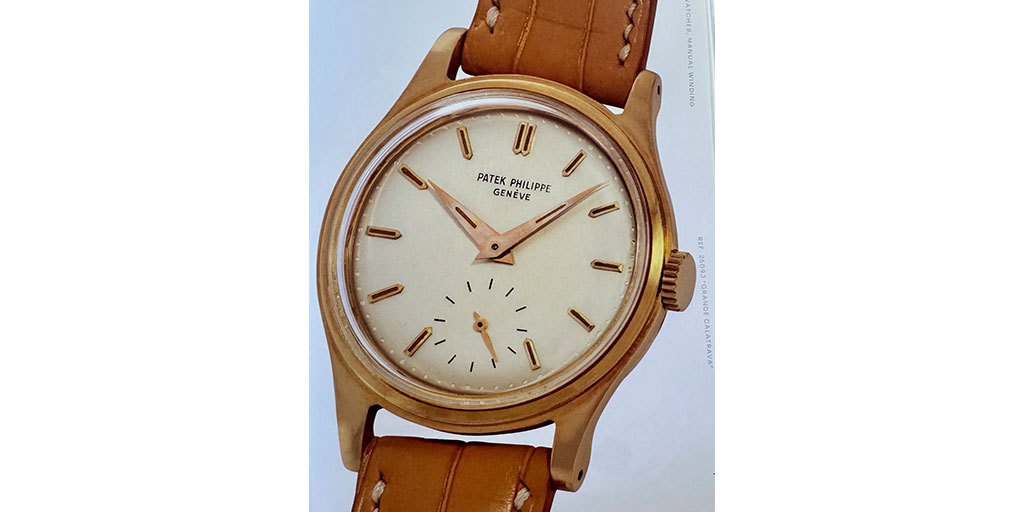
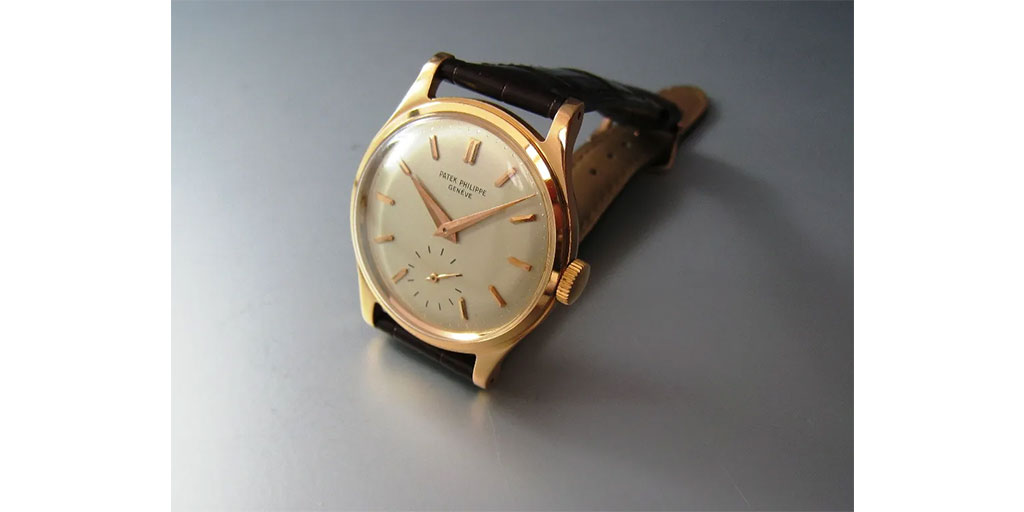
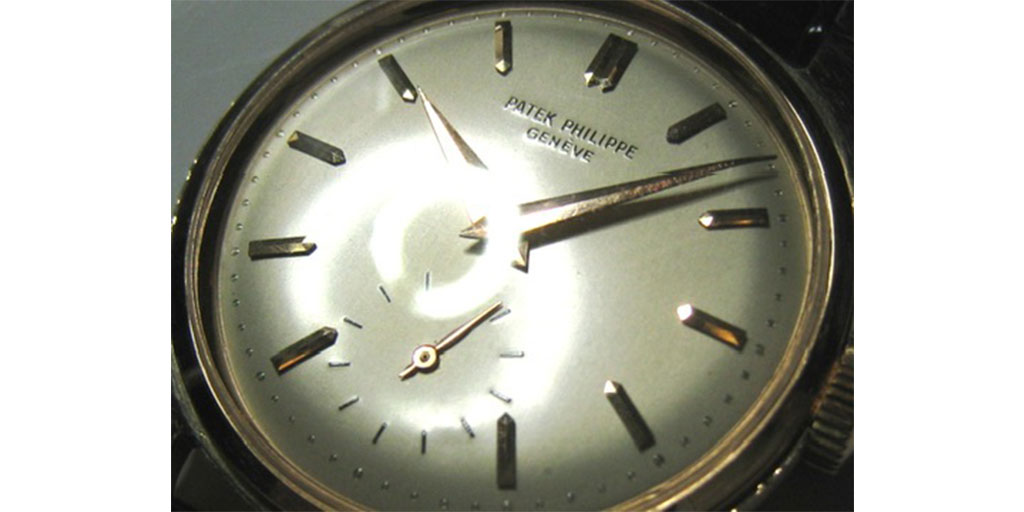
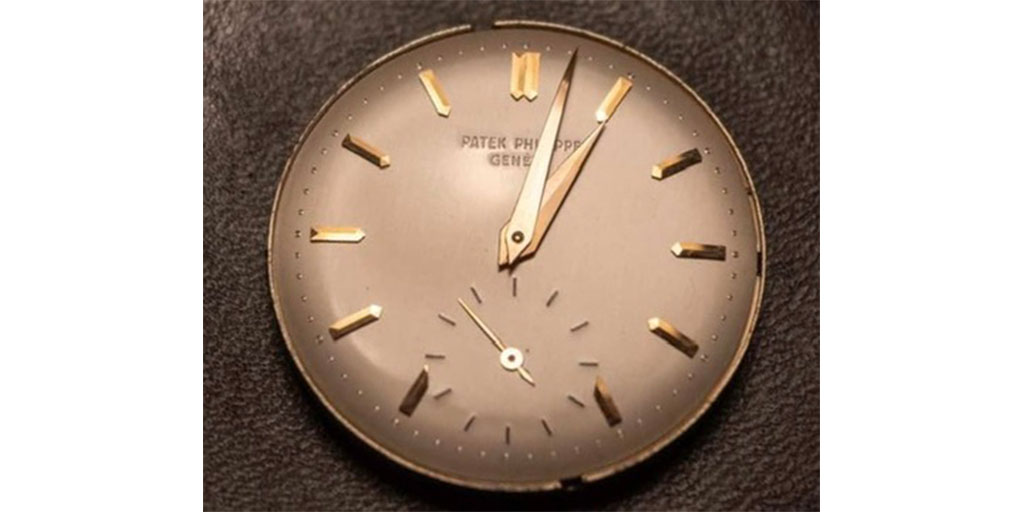
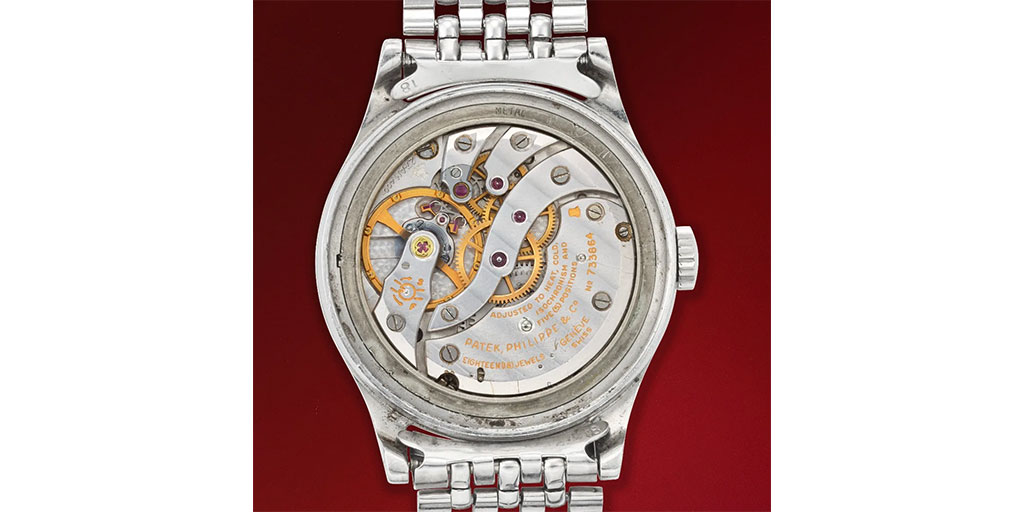
Unlike the ref. 2508, which relied upon a singular movement (caliber 27 SC), the ref. 2509 incorporated three different movement calibers during its run. The first caliber at launch in 1950 was the caliber 12-120. It is not a commonly seen movement by the numbers in the ref. 2509, given the short duration of use.
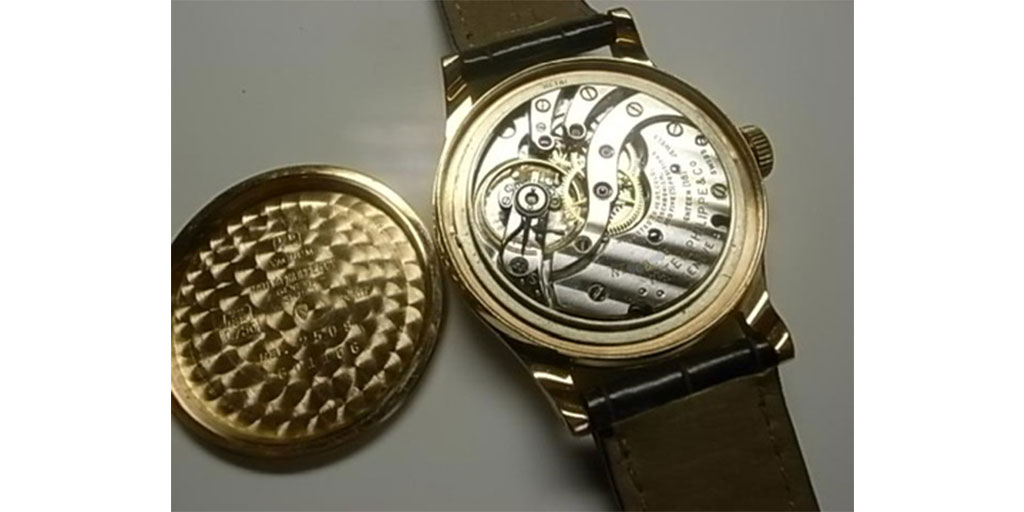
By 1951, the caliber 12-400 drove the timekeeping and is known in examples until around 1962. This caliber appears to have been used in the greatest number of examples produced. Unlike early examples, the later movements show two Geneva Seal stamps.
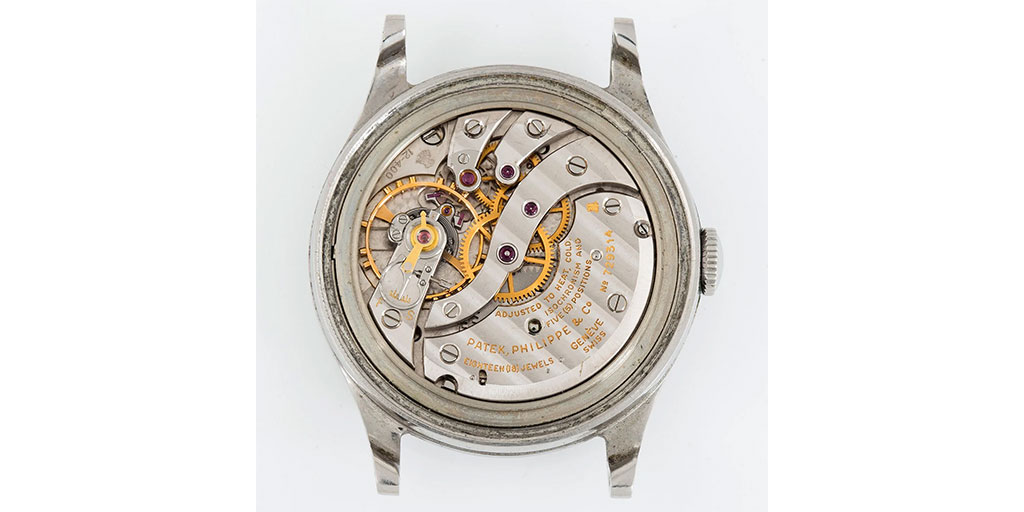
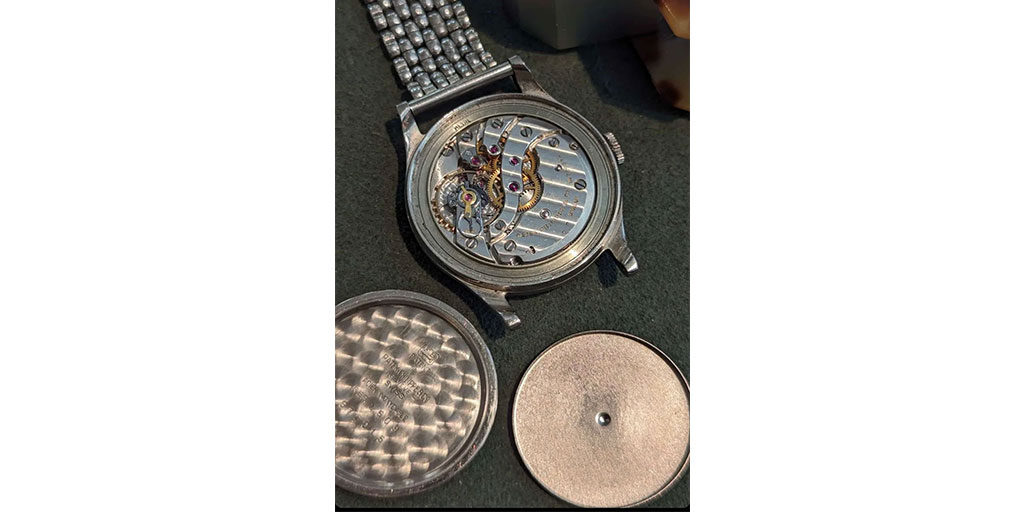
Overlapping the tail end of the 12-400 run was the final caliber used in the ref. 2509, the 27-400AM. The AM designating the movement as “anti-magnetic”. The 27-400AM provided additional protection with its Gyromax balance and beryllium components. Together these components provided greater anti-magnetic protection than the inner dust cover shielding the movement alone in all ref. 2509 cases. The cal. 27-400AM was seen in some ref. 2509 examples by at least ‘61 and continued through final production of the reference in 1968.
THE ELEGANT CASE
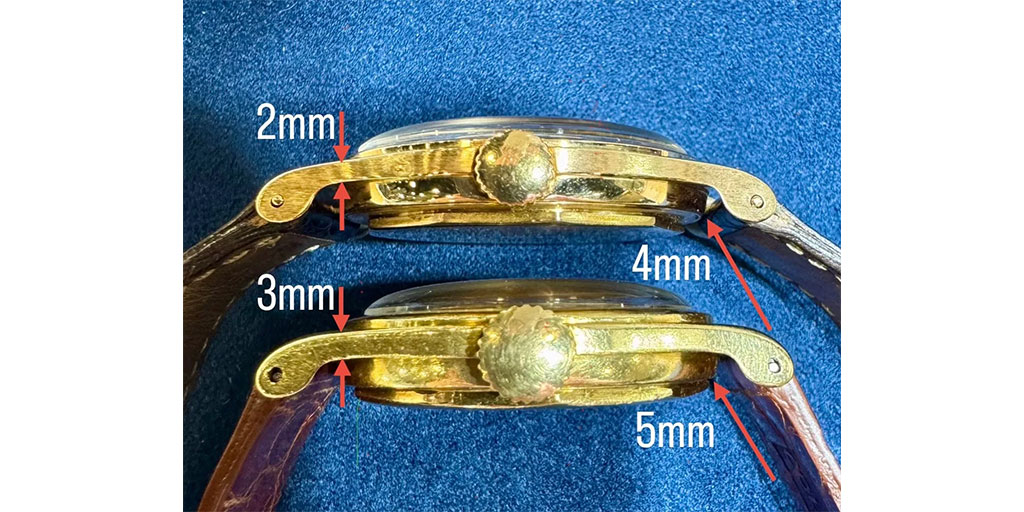
While presenting a very similar design to the ref. 2508, the case does feature some differences in appearance. The mid-case is satin brushed on the sides and is slightly slimmer than the mid-case of the ref.2508. The overall height is also a bit slimmer, given the ref. 2508 uses a thicker movement. The result of these differences gives the ref. 2509 a flatter profile on the wrist that leans more toward an elegant-dress, as opposed to the ref. 2508 and its sport-elegant appearance.
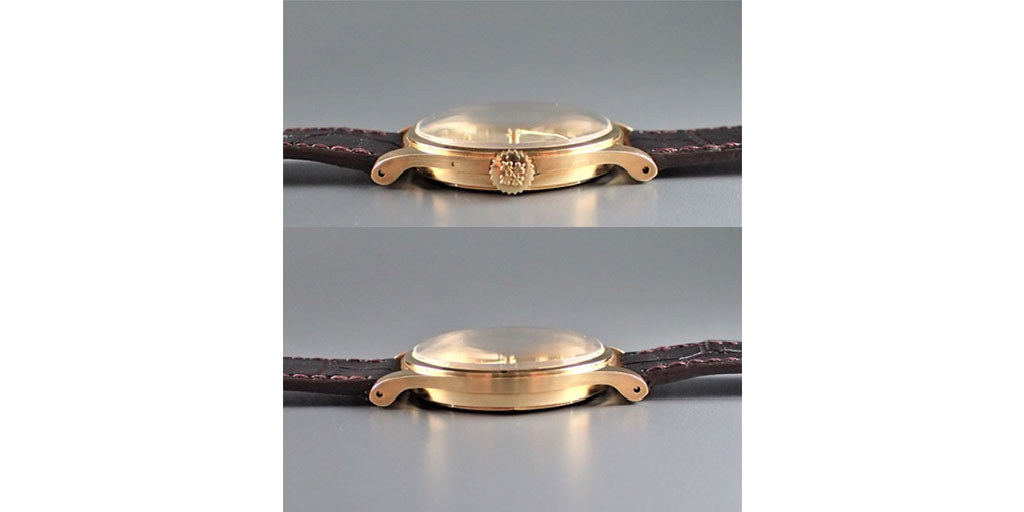
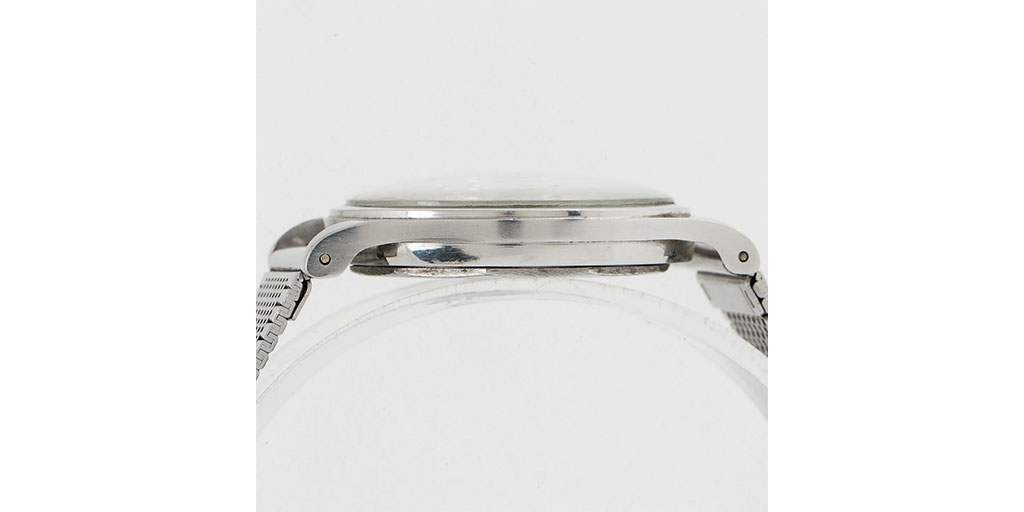
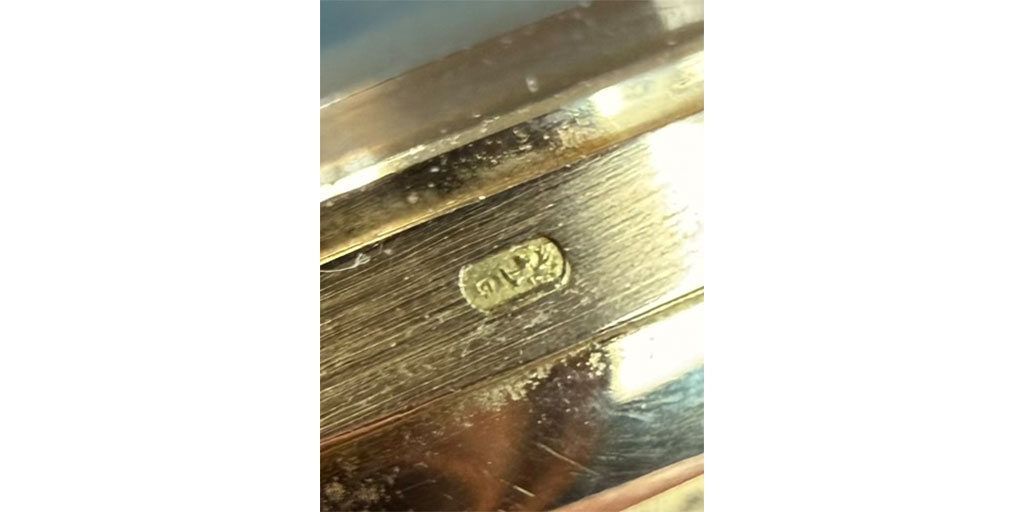
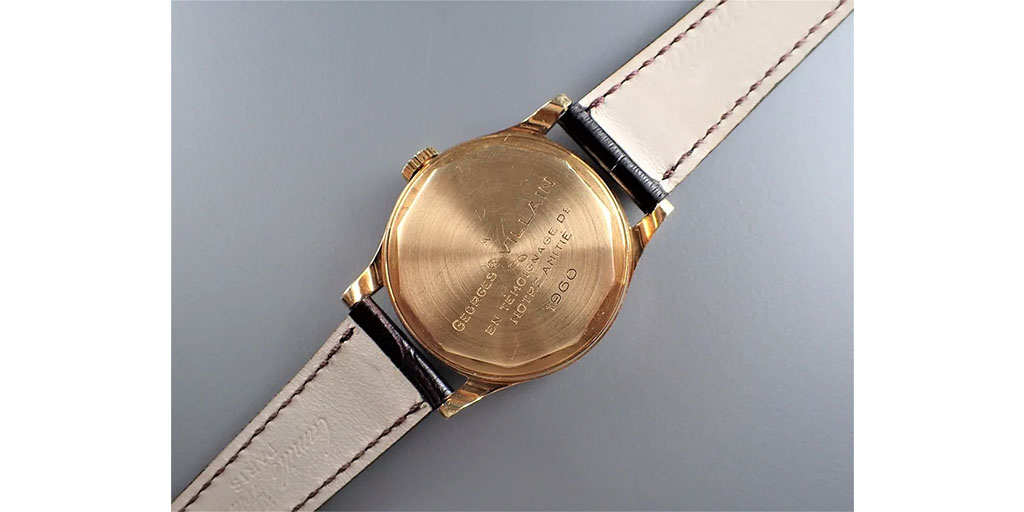
On gold cased examples, look for two hallmarks: typically one on the lower crown side case band and a second hallmark under a lug. For the French market the second hallmark is on the case back.
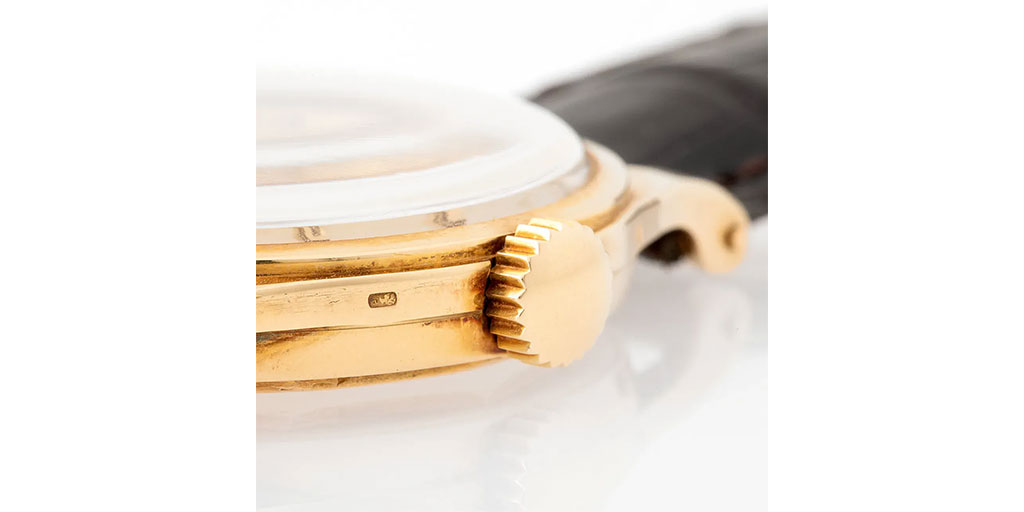
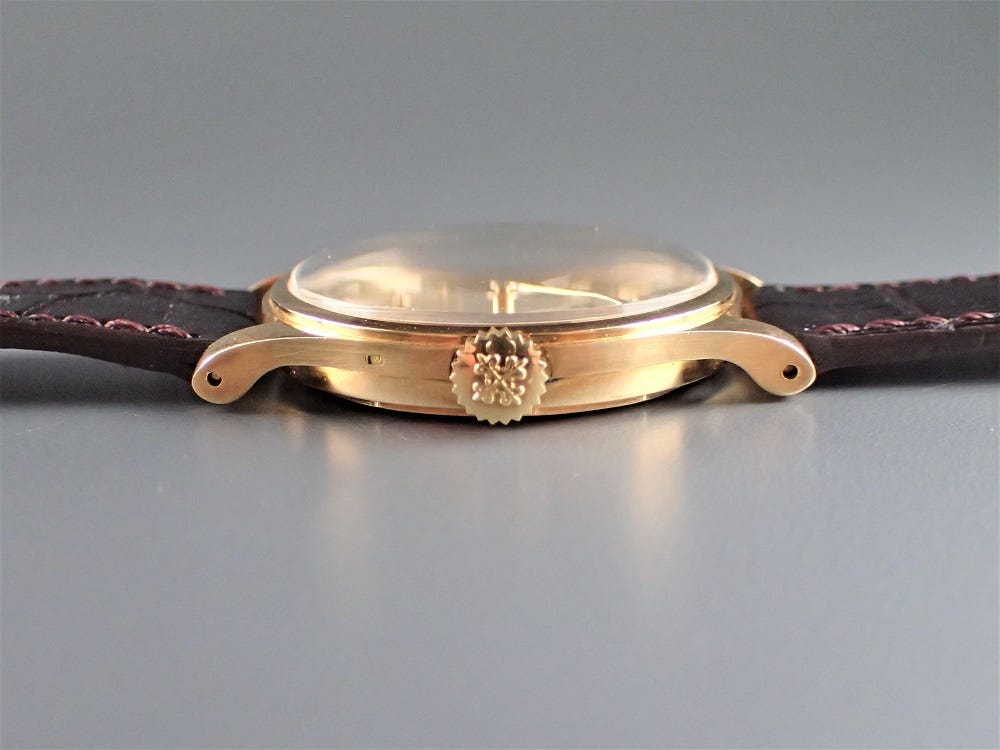
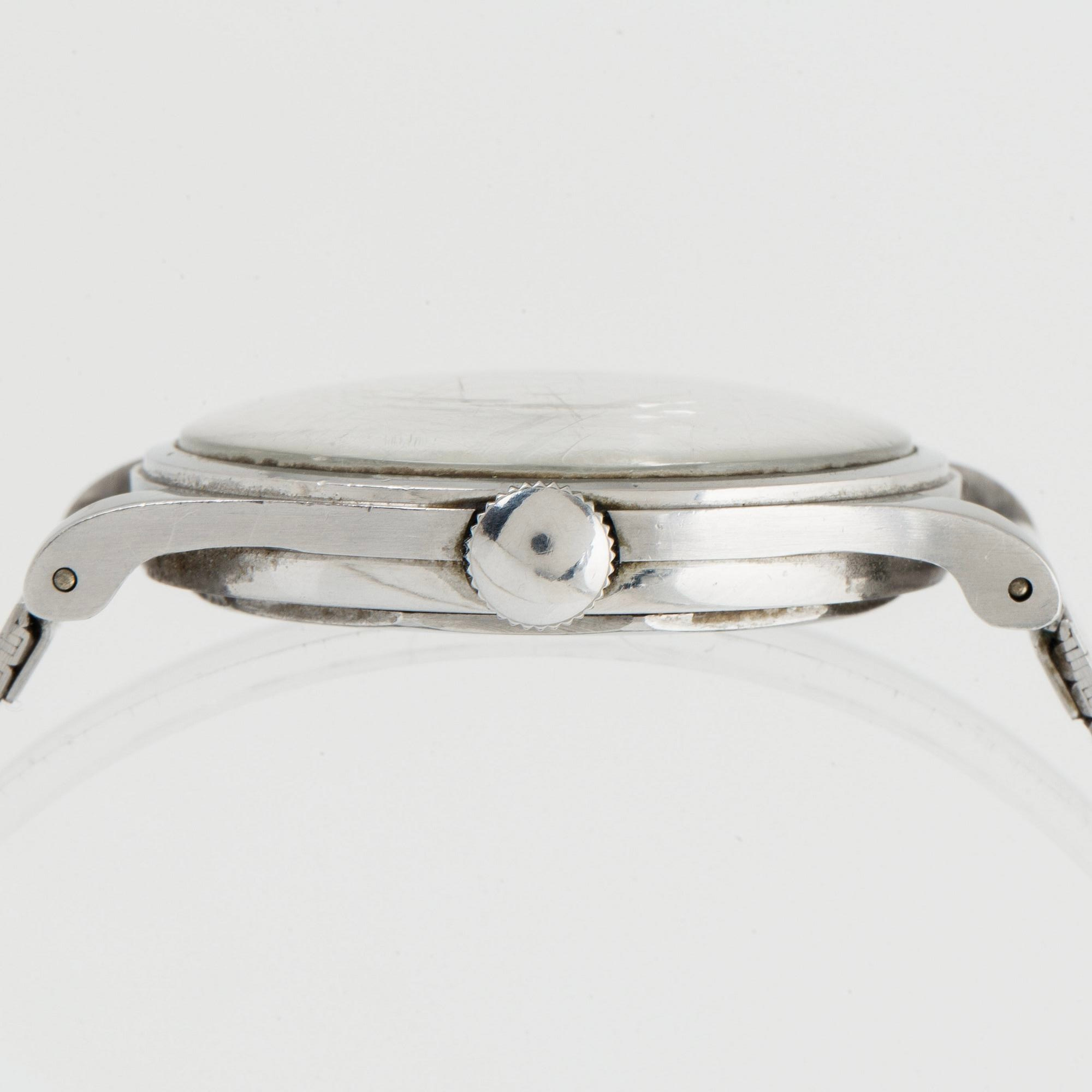
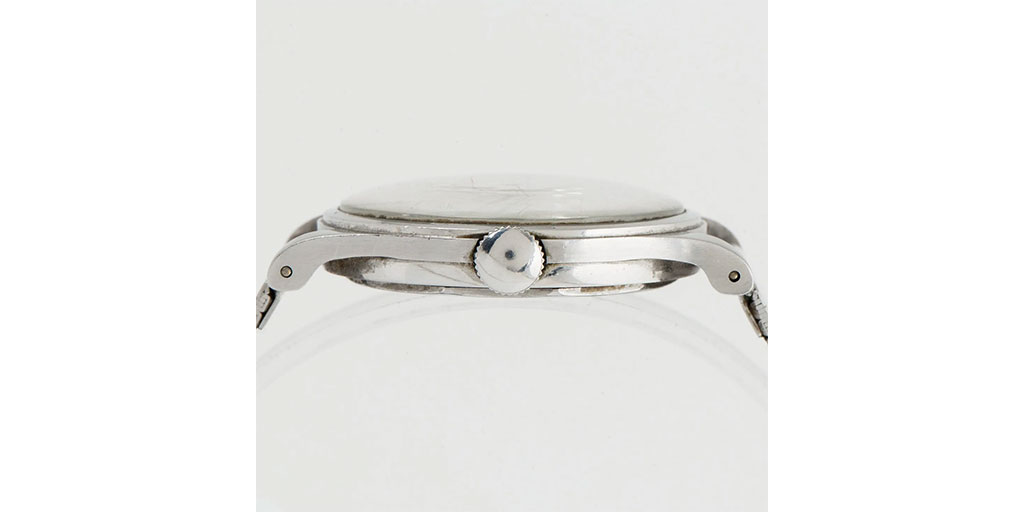
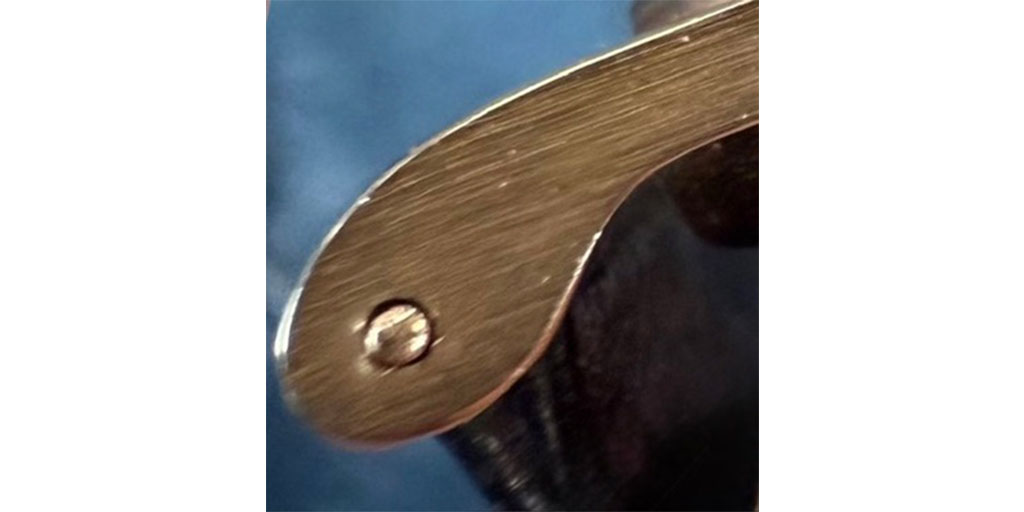
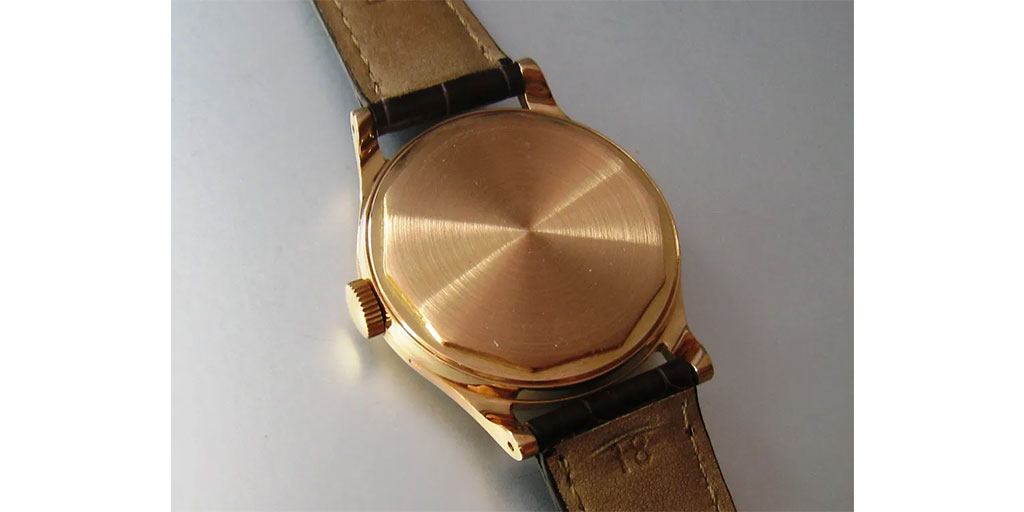
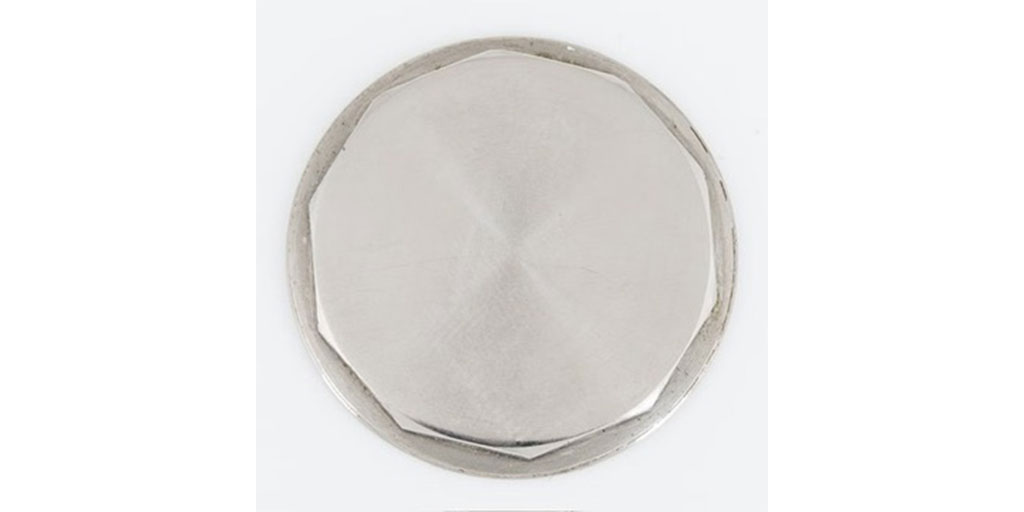
Look closely at the case on the strap attachment sides for a similar appearance to a crisp ref. 2508. All transitions should be at hard angles when the case is preserved in original condition with little wear. The next two images show a steel and rose gold case from different angles. These examples illustrate the way an original case should appear with no case freshening intervention to their form since they left the manufacture decades ago.
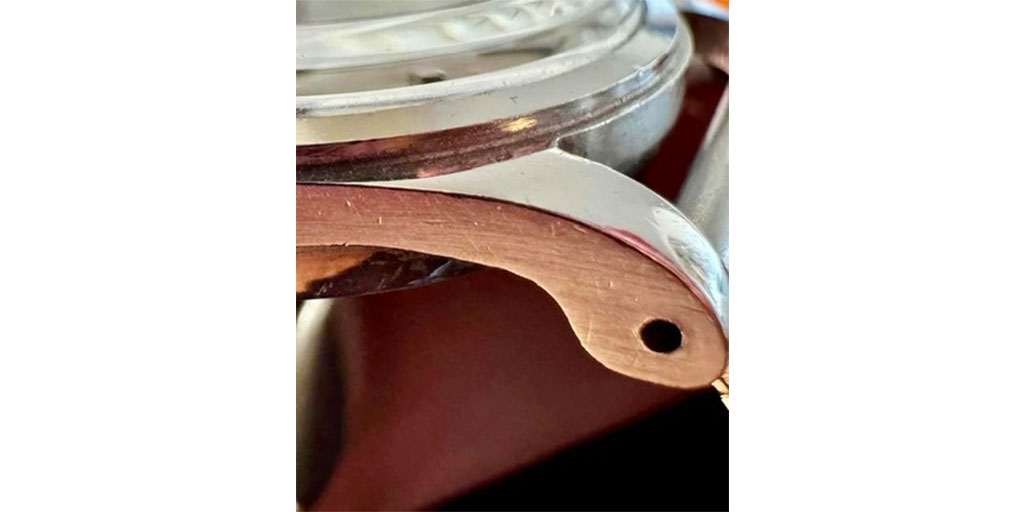
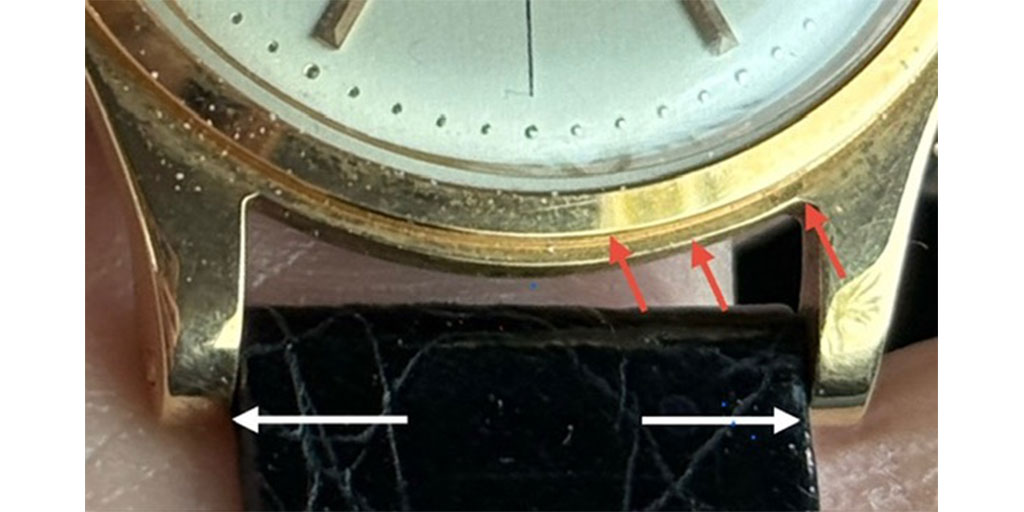
The lugs are also a bit different in shapes seen over time. Steel examples below show slight lug tip differences, even when allowing for the expected non-conformity of case work that was finished by hand.
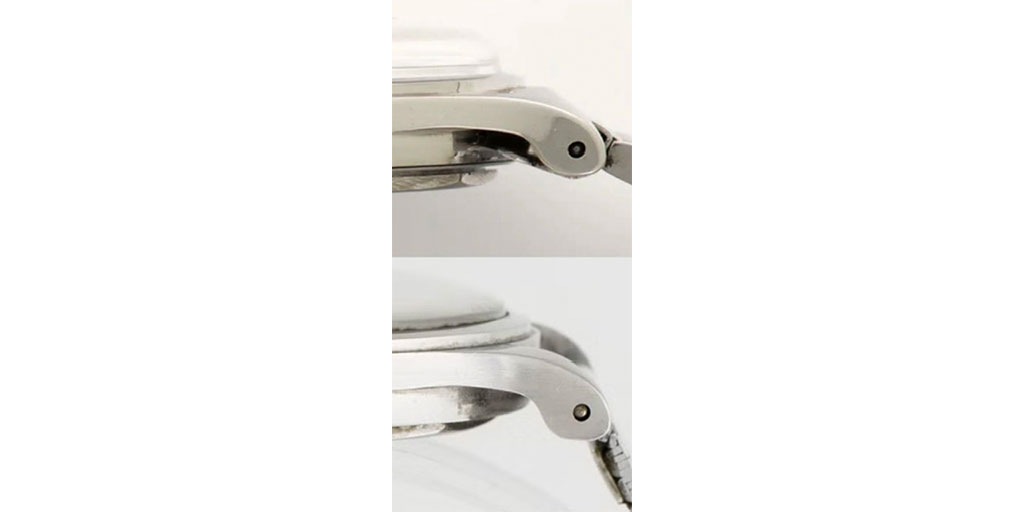
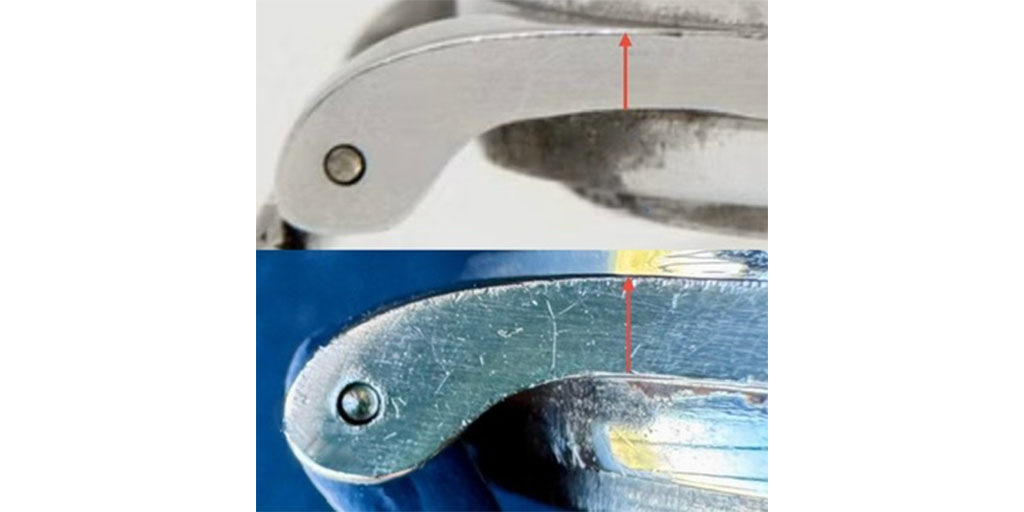
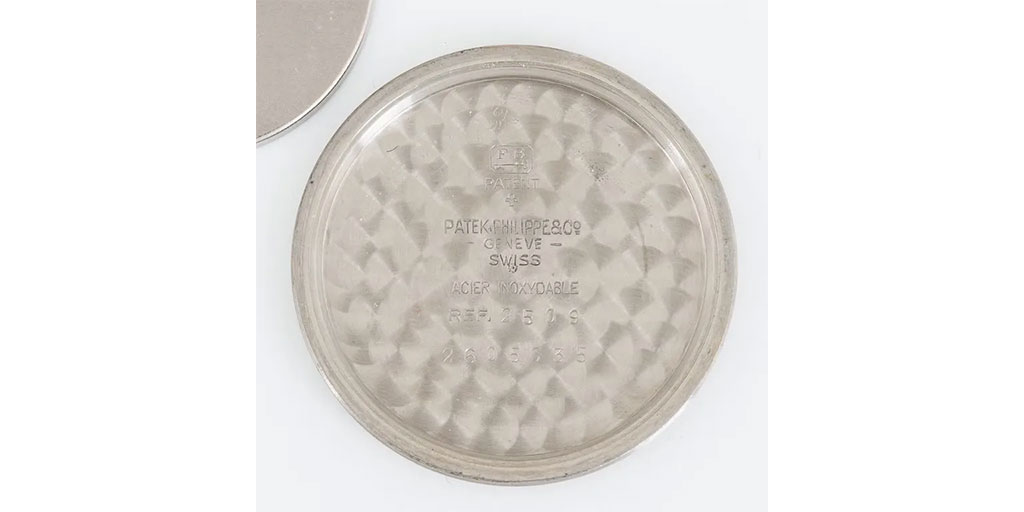
The winding crown differs from the ref. 2508 in steel. A thinner, knurled crown was fitted on the ref. 2509. A thicker crown type, comparable to those seen on some precious metal ref. 2508 examples completes the options known on the gold models of the ref. 2509.
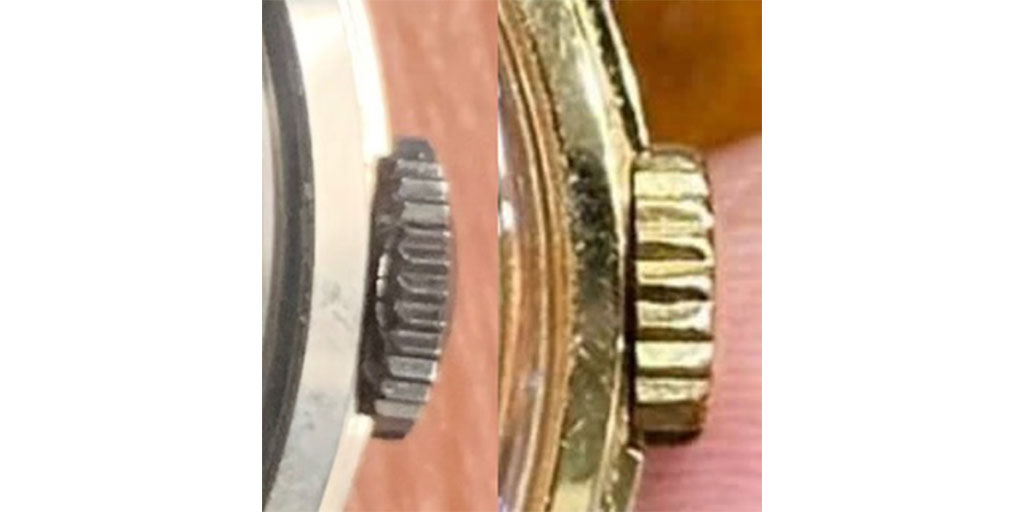
Look for a hard angle detent that is consistent on both sides of the crown to determine strength of the case. Case polishing will round and soften the angle of the detents. The detents on both steel and gold examples in above image are strong and sharp.
AUCTION RESULTS
Over the years, some very special and interesting ref. 2509 examples have appeared at auction. I’ve curated a compilation representing some of the rarest and some of the most curious examples that are known to have appeared in the auction market.
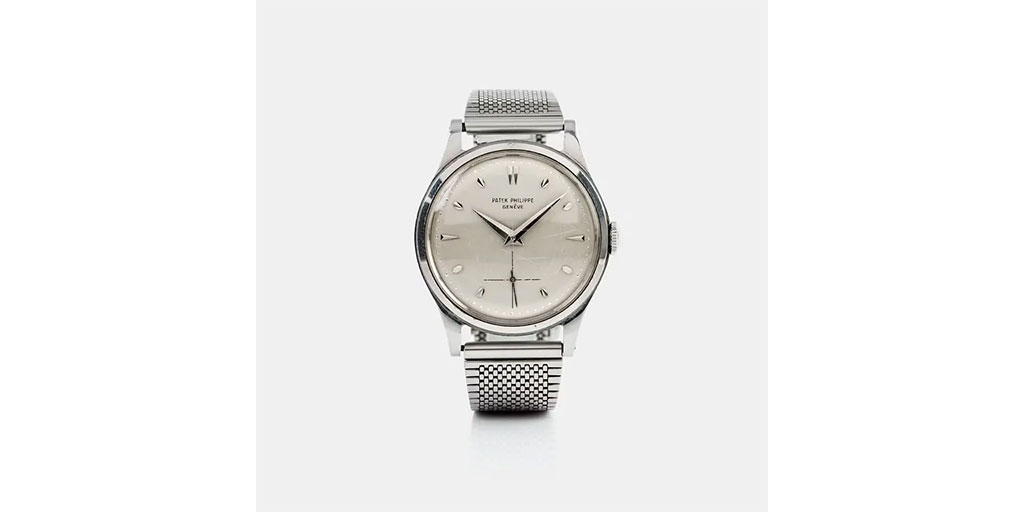
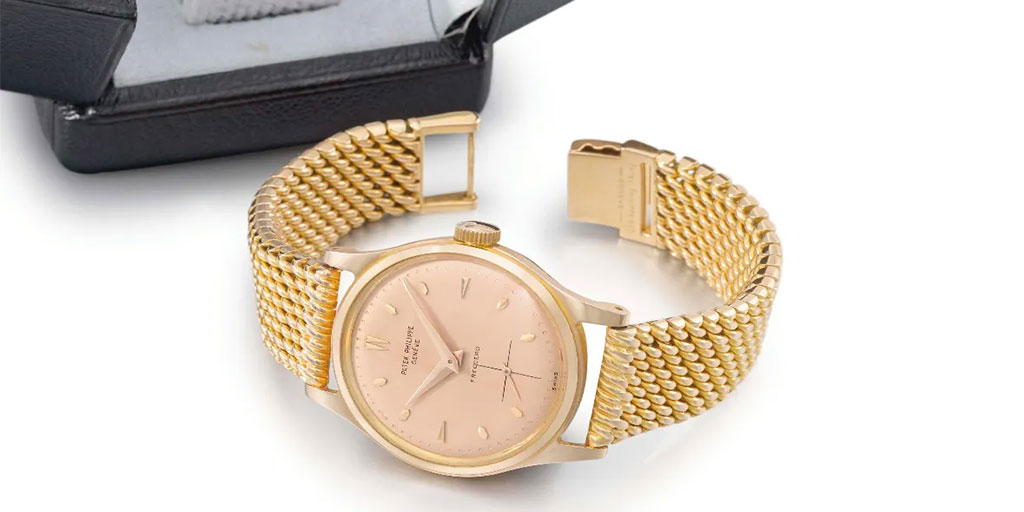
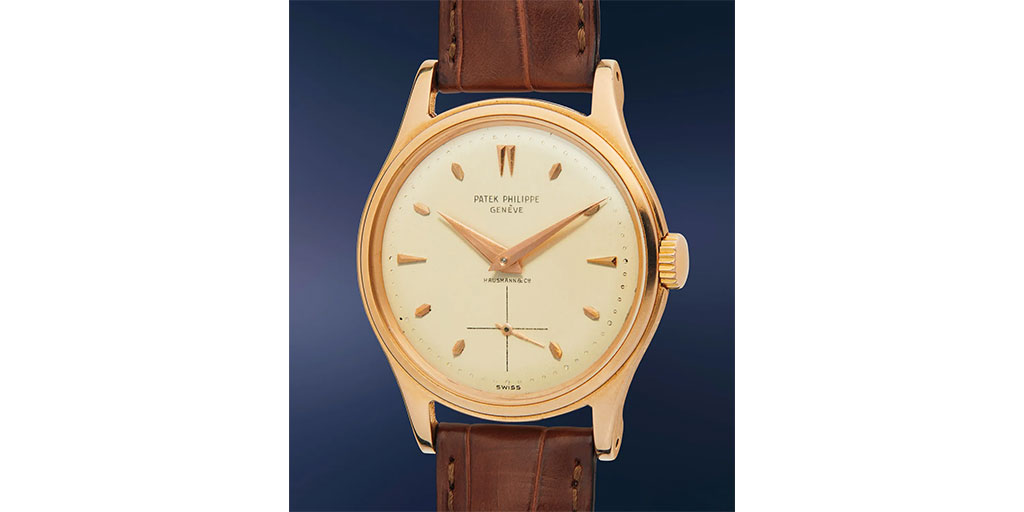
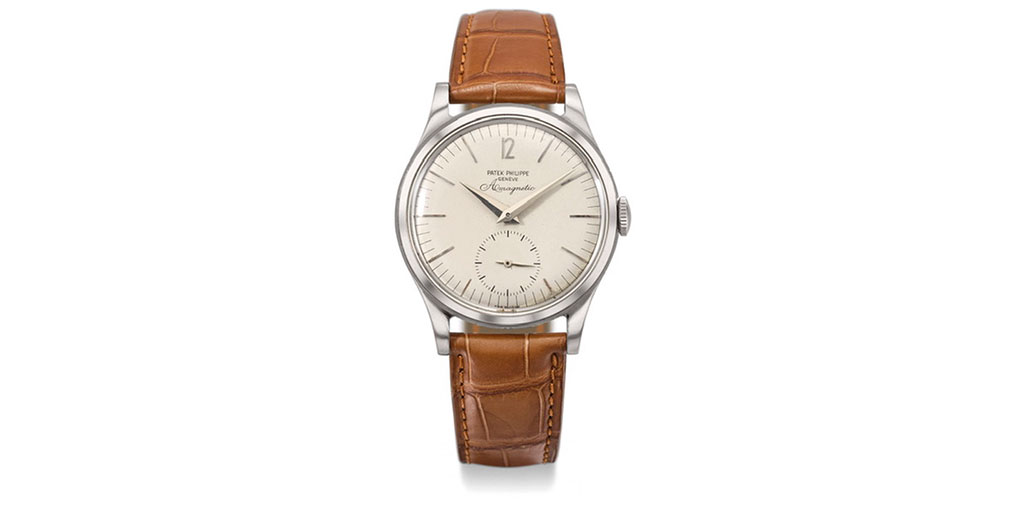
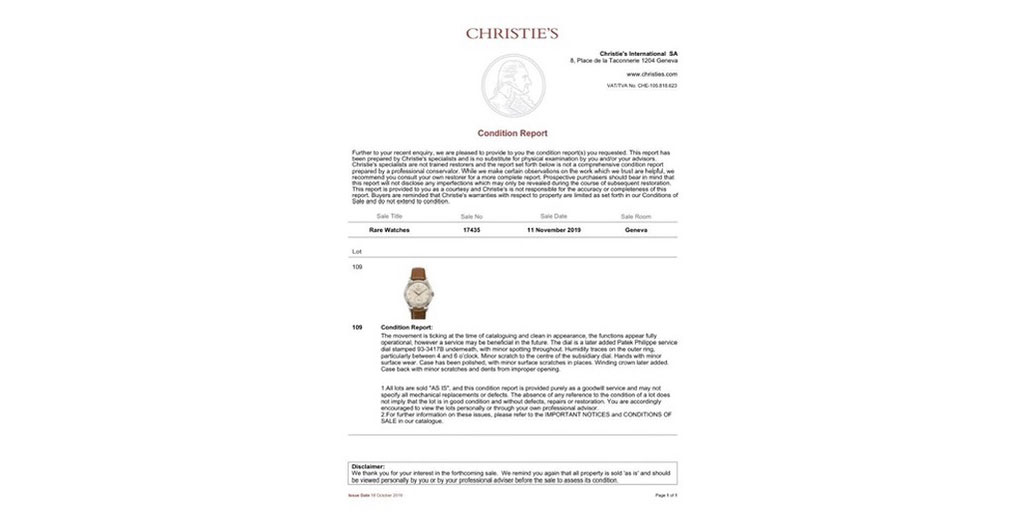
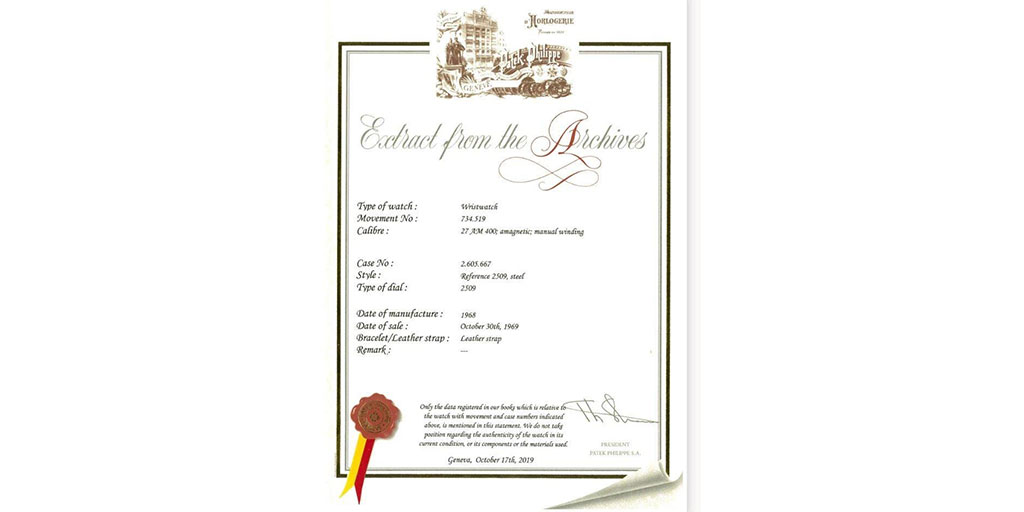
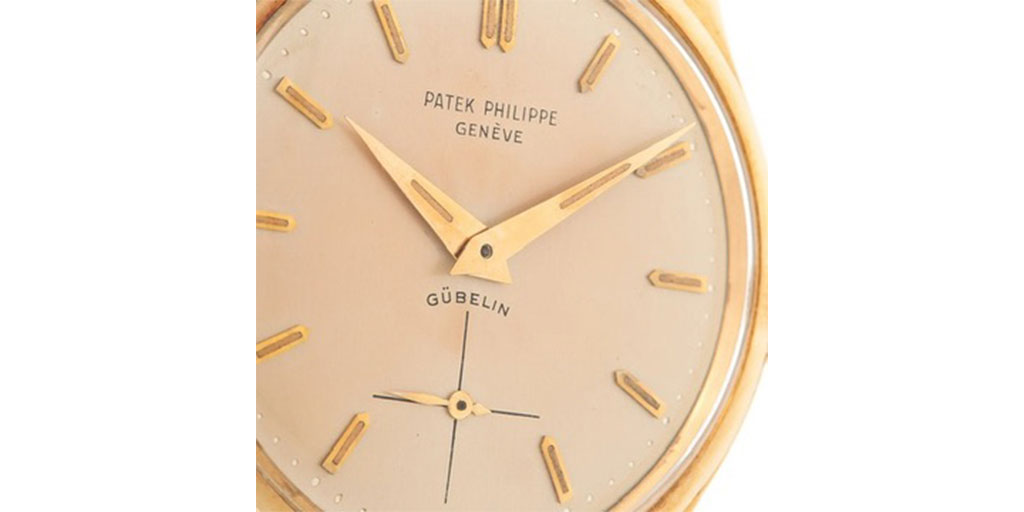
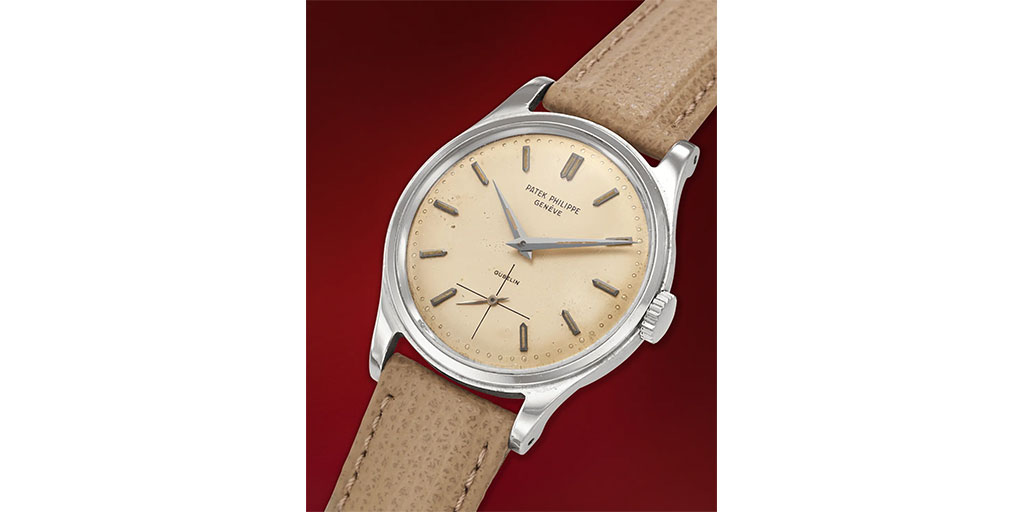
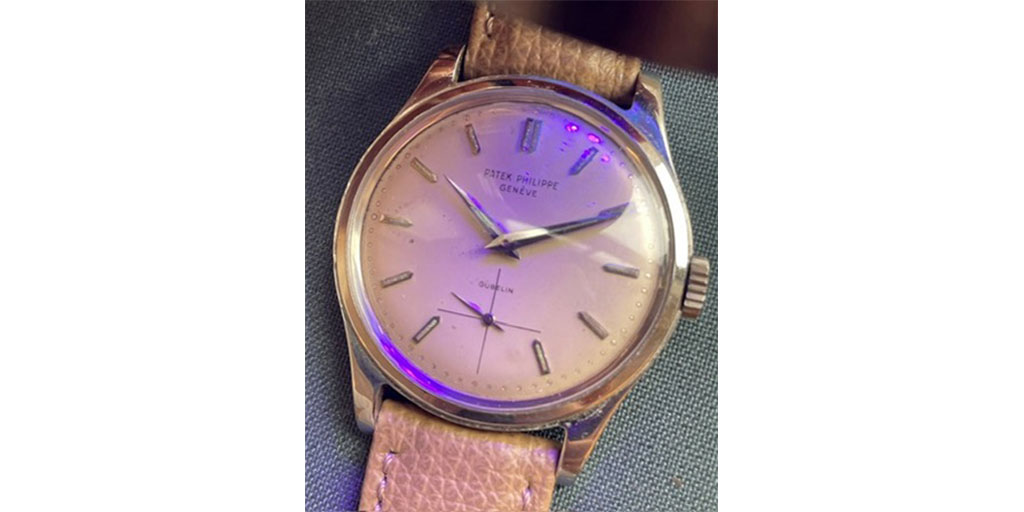
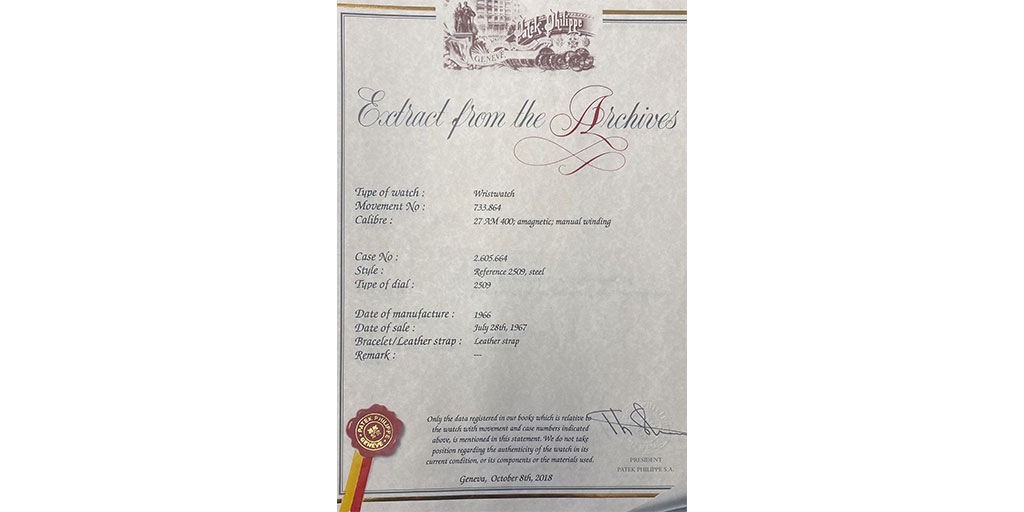
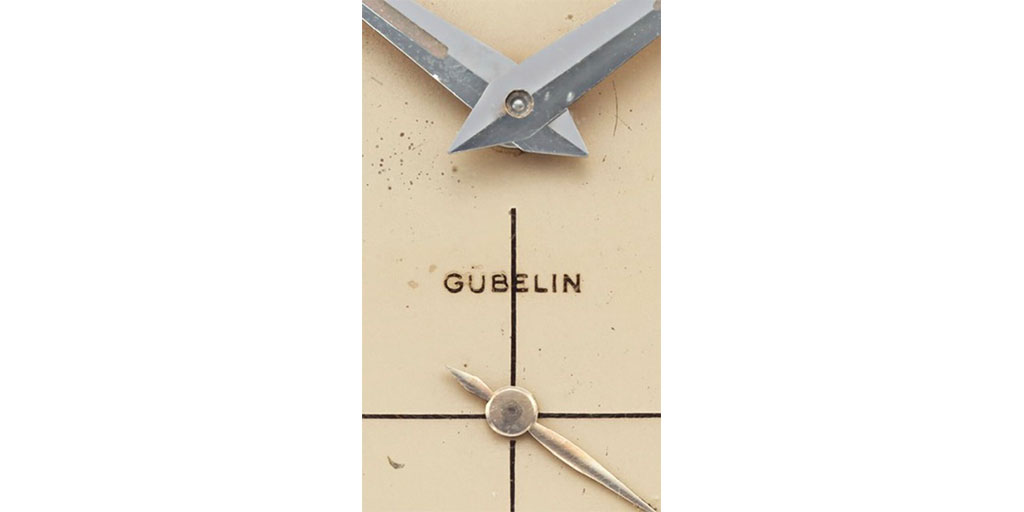
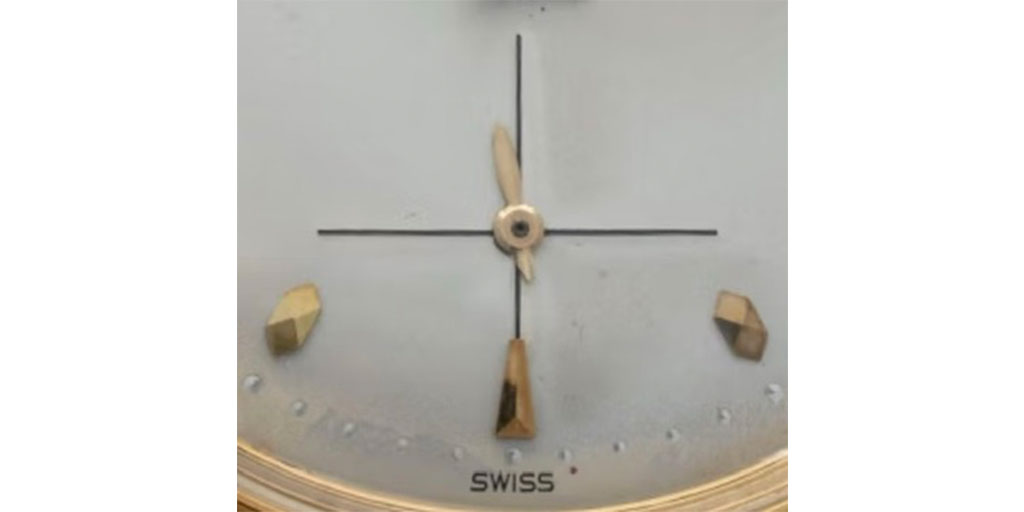
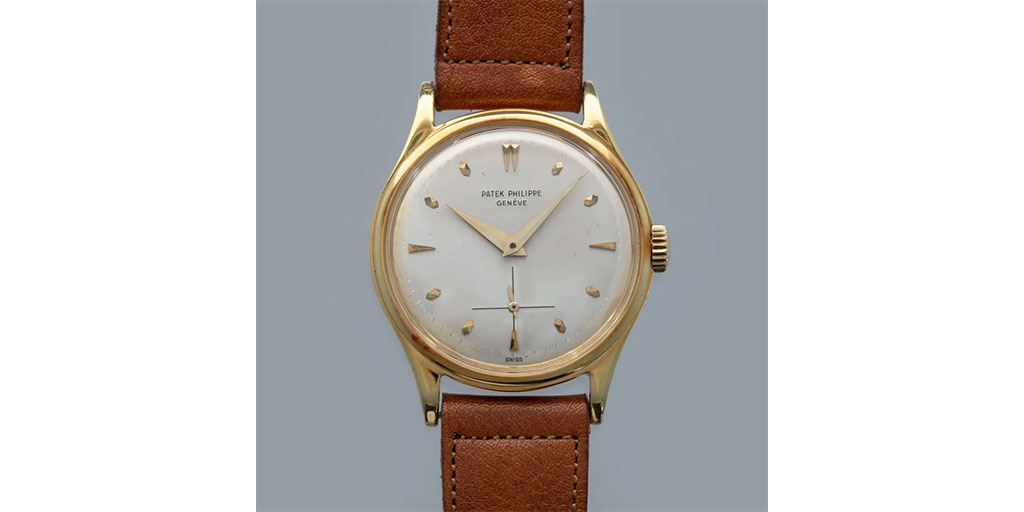
The dial above is quite unusual with several curious features. It appears to be a later alteration to an original dial. Reasons for my opinion include: the printed “SWISS” placement and its typography are not correct for the era, a truncated leaf sub-seconds hand, disproportionate sector lines, (with the vertical line partially hidden under the cropped marker). Note the folded hour markers are not of the usual facet style seen on a type 1A dial. Finally, it is the only example seen with a dagger marker at six o’clock.
COLLECTING CONSIDERATIONS
Up to this point, I’ve shared some thoughts on what to look for, or reasons to pause when hunting a ref. 2509. The market in general has historically been less strong for the ref. 2509 than for comparable condition ref. 2508 examples. However, relative rarity is pretty much on par between the two references. This dynamic has resulted in some excellent examples selling for much lower prices in the past when compared to the ref. 2508.
Truly untouched dials are becoming increasingly difficult to source, as are those that have seen only the most restrained cleaning—just enough to remove surface dust without compromising the original finish. When these examples surface, they often require an appreciation for honest aging, with all the nuances that come from decades of wear, storage, and environmental exposure.
While becoming more challenging, finding top-quality examples with a clear and credible chain of provenance, paired with honest overall condition is my guiding principle. As I consistently advise and strive to follow myself, the primary objective should be to pursue the finest, most original condition attainable within one’s budget.
Proper and sympathetic restorations of the least invasive means possible are acceptable and take careful scrutiny to evaluate. If unsure of the condition, seek the advice of others with known expertise. I would also recommend using a Geiger counter and UV light to assess lume on any of the type 2 dials with luminous markers. I’ve had good success with these tools as a means to assist in condition assessments. It still takes studied knowledge, hands-on experience and a trained eye to fully appreciate overall condition and understand what is being offered.
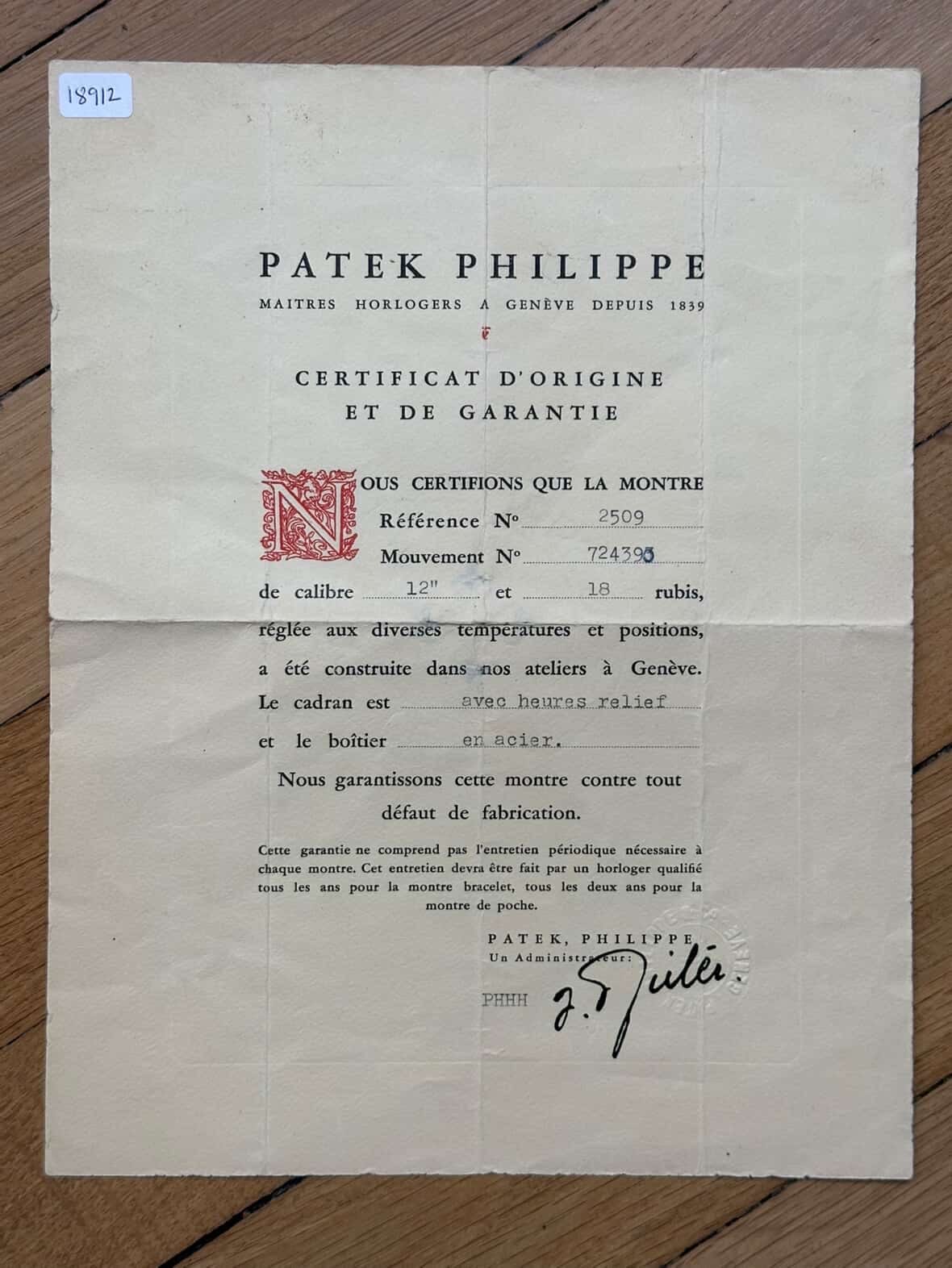
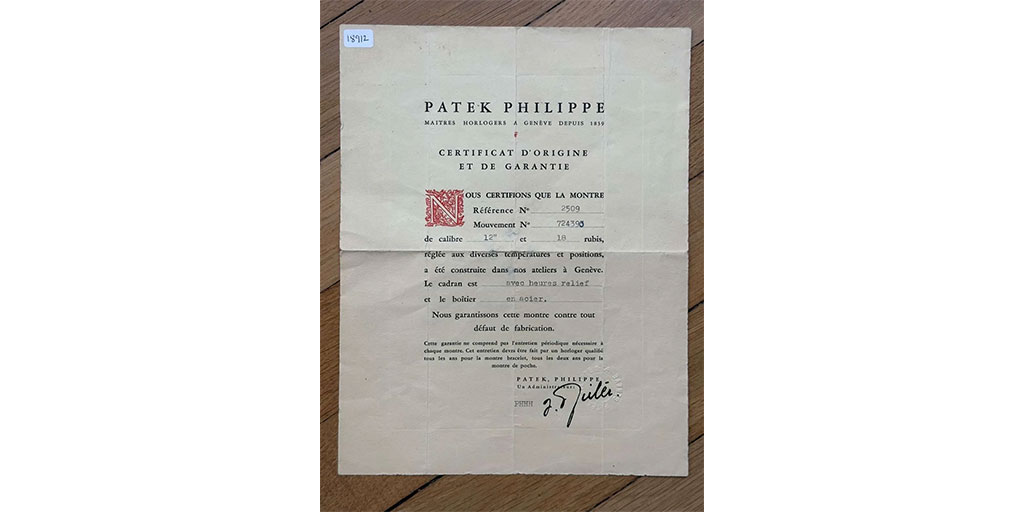
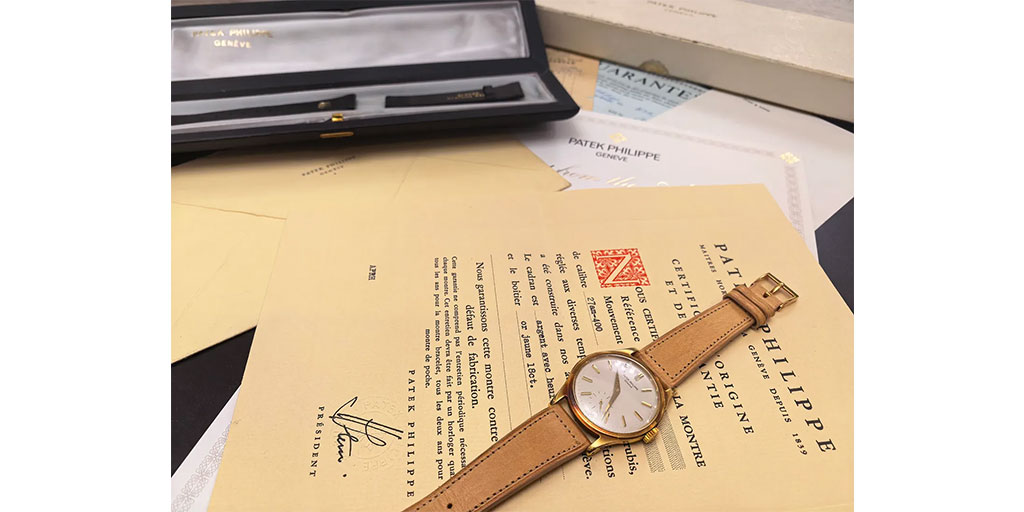
The addition of ephemera such as original boxes, straps, buckles, period bracelets and papers add value and desirability to proper condition examples. These items support the provenance narrative when available and deservedly justify a premium.
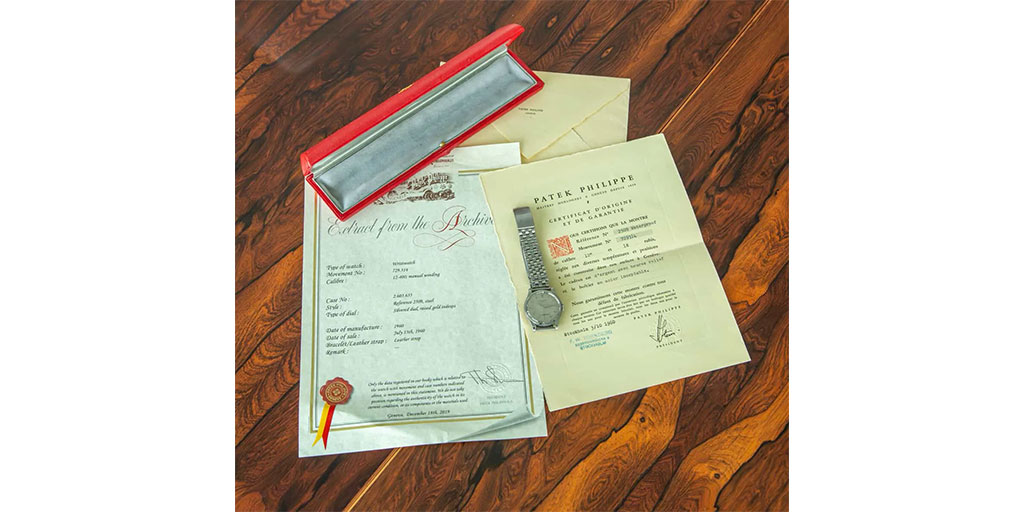
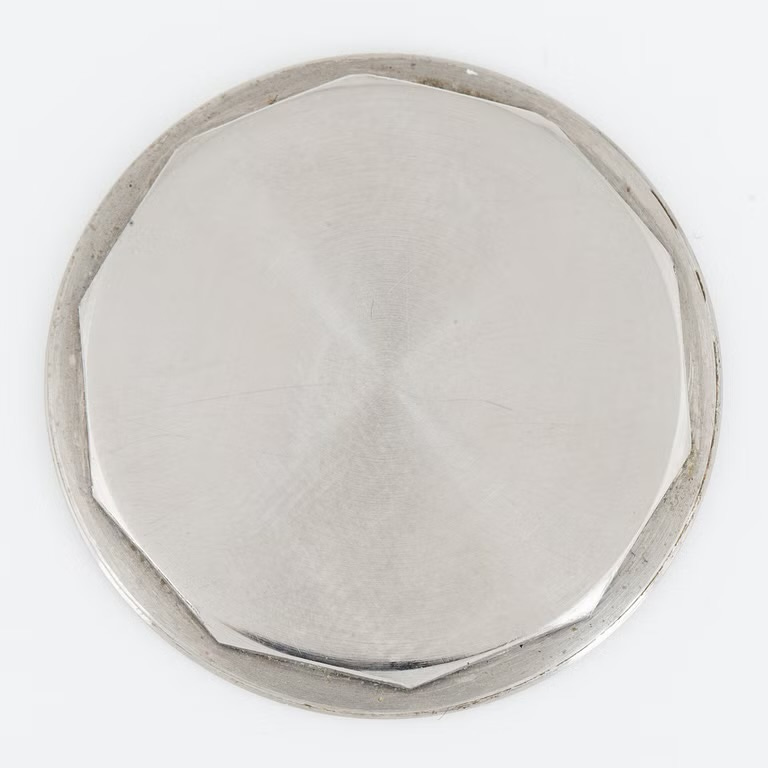
A final treat of an incredible original package that compliments this rare 2509J from 1965. This example is unusual with its two hallmarks located – one each – between both lugs. One of the hallmarks is also stamped “750”, which is highly rare to find on a Patek Philippe from this era. Inside the case back is an assay mark from the British import office and possibly an inventory number engraved by a retailer from the era in Birkenhead. The movement inside is the caliber 27-400 AM.
CLOSING THOUGHTS
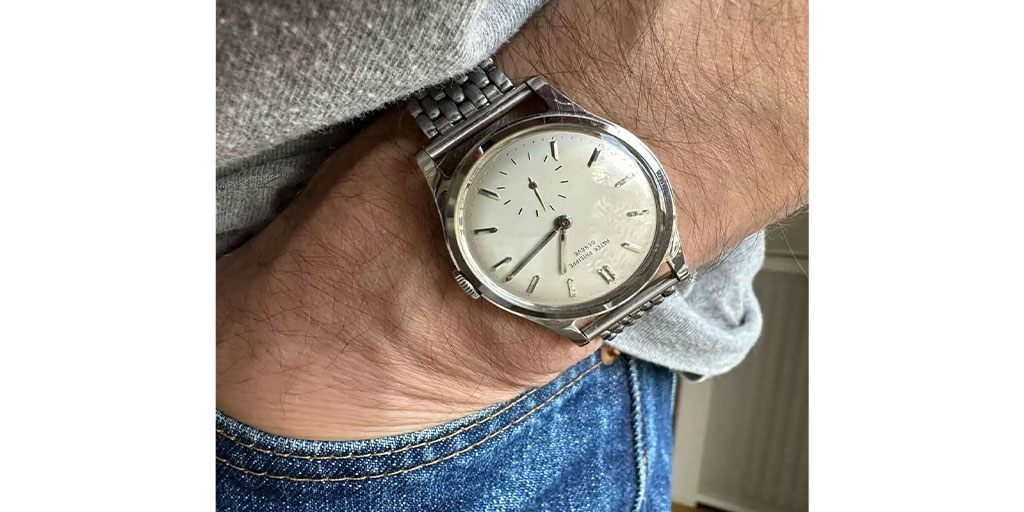
So now we’ve given tribute to the ref. 2509, as it rightfully deserves. This is an interesting reference to consider for any serious vintage Patek collector and has great presence on most typical sized wrists.
Does a collector need to have a ref. 2509 and a ref. 2508 in their collection? Not necessarily, but a case can be made for either reference alone, or together. While in some respects the references are quite similar, they are also different. Consider the similarities and differences between them in regard to dial types, dial finishes, movements and case design. If you haven’t read the In Depth: Patek Philippe Reference 2508 article yet, give it a read HERE and you will see the complementary and divergent nuances between these two references.
Please feel free to share comments.
Contact Me: @aircooltime, [email protected], www.aircooltime.com
Acknowledgments
- Special thanks to the many contributions of images for article content from passionate ref. 2509 collector friends; Dave Marcinek @dmm718, Luke Woods, @lkwds and @ok.wristwatch.
- Appreciation for image use as noted and credited to John Reardon and www.collectability.com, John Nagayama, www.onbehalf.jp, Ali Nael, www.2tonevintage.com, Tobias Teleng, Edo and Henry Ishikawa.
- Recognition and thanks to Phillips, Christie’s, Monaco Legend Group, Loupe This, Bukowski’s auctions, for images used with credit.
Paul Engel is a recognized authority on vintage Patek Philippe and Rolex wristwatches. He is the author of www.Aircooltime.com, a website dedicated to in-depth analysis and reviews of vintage timepieces. His expertise has been featured in online publications such as Robb Report and GQ, and he has contributed articles to leading watch platforms including Hodinkee, Collectability and Matthew Bain Inc. Paul also shares his insights with a wider audience through his @Aircooltime Instagram account.