
Just another Calatrava or something special?
INTRODUCTION
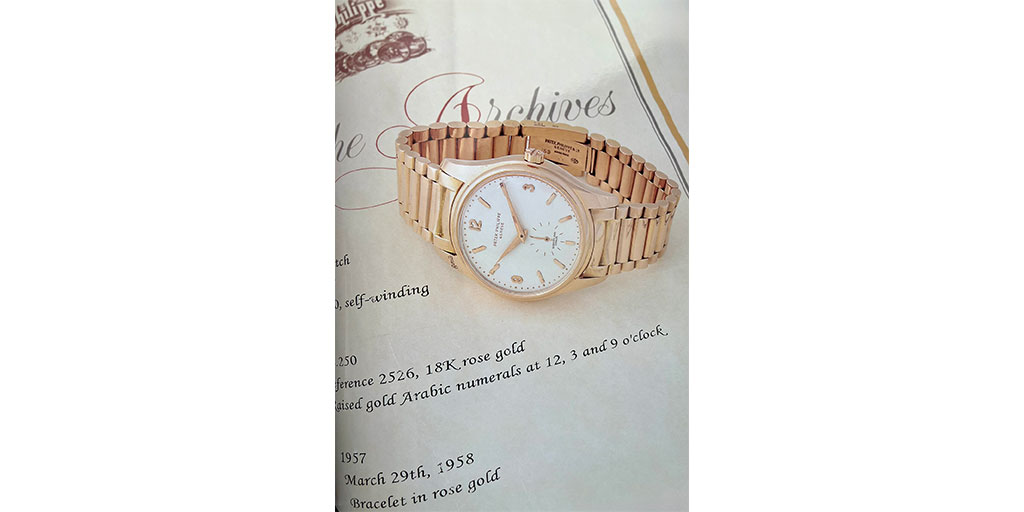
The Patek Philippe ref. 2508 was produced from 1951 to around the mid-1960’s. It was originally manufactured with a total production of over 1,000 examples in 18K yellow and rose gold, with rose gold being more limited. Reportedly there are around 100 pieces now known back to market in yellow and 30 in rose gold respectively. The rarest material was steel and presently it’s believed there are fewer than 20 steel examples known in the market.
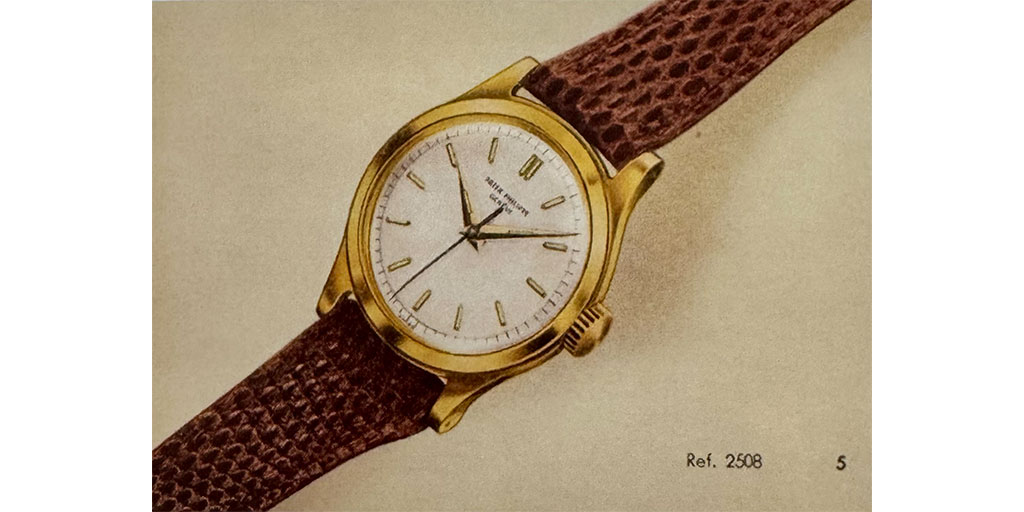
So, why does this reference really matter or even deserve to get much attention from the collector community? It’s not the iconic ref. 96 or even the first waterproof design for Patek Philippe (that honor belongs to the ref. 565). Nevertheless, the vintage Patek Philippe community has a deep respect for this time-only reference and its relative rarity for starters. It was also a large watch for the time, measuring 35mm, which gives it a timeless appeal and proportional fit on most wrists. We’ll discuss more of the reasons around what has driven reverence for the reference among the collector community in some later sections, as we break down the components. Notably, its sibling ref. 2509 which has a very similar case design was also produced in limited quantities and will be a future subject of discussion.
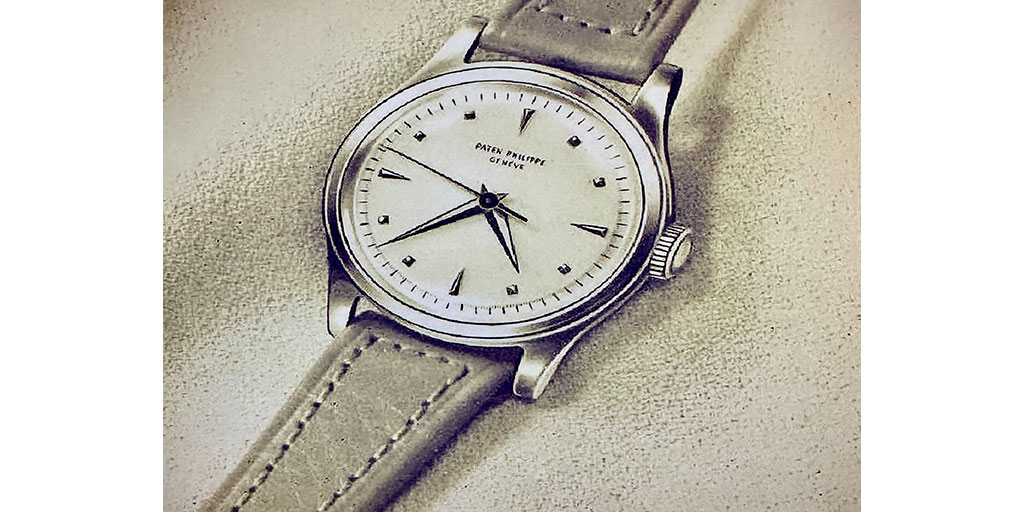
THE DIAL
The ref. 2508 has commonly been categorized based on different dial features into two series. I propose an updated method of categorizing the dials known into types, as opposed to series, given that some of the dial designs weren’t sequential in production and using “type” as a method of classification removes the presumed time of market appearance during the production run. I’ll discuss a few reasons around why it matters in the Closing Thoughts section.
The dial types below can be categorized the same across the different metals. With that said, let’s look at some different features observed over the ref. 2508 production run.
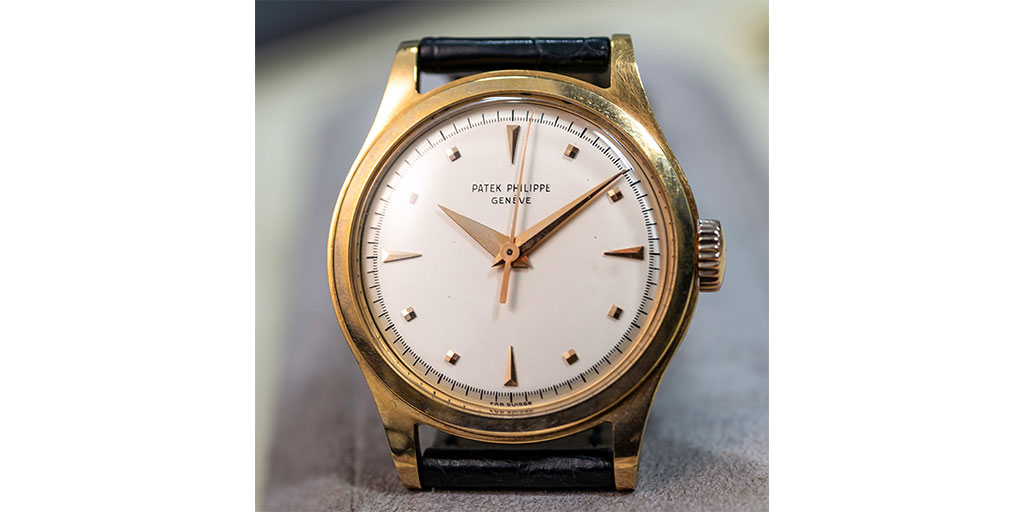
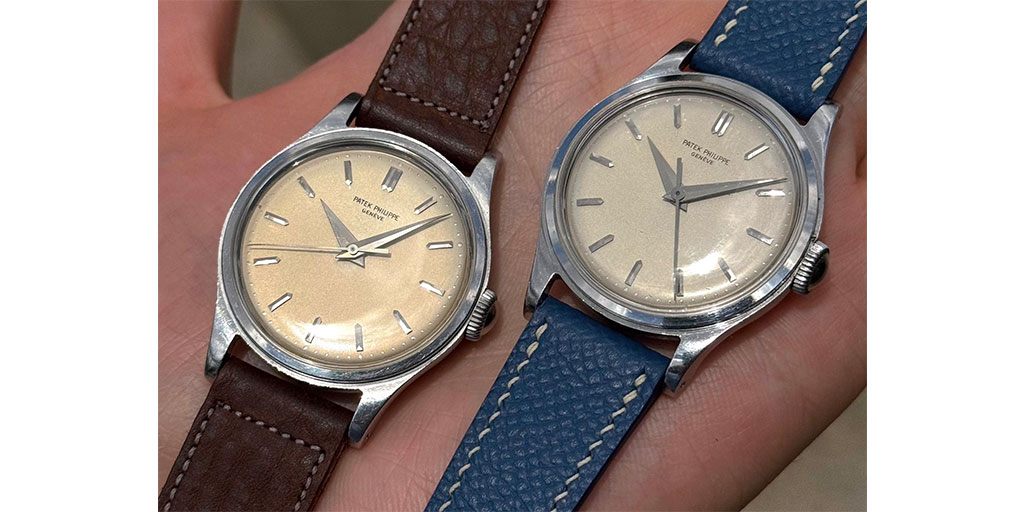
Type 1 – There are two different configurations, 1A and 1B. Examples of each are shown below.
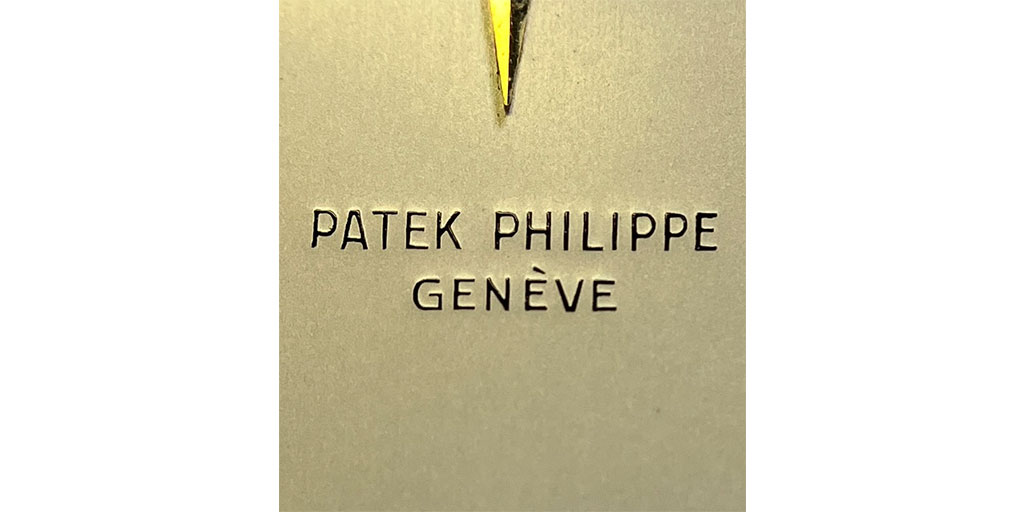
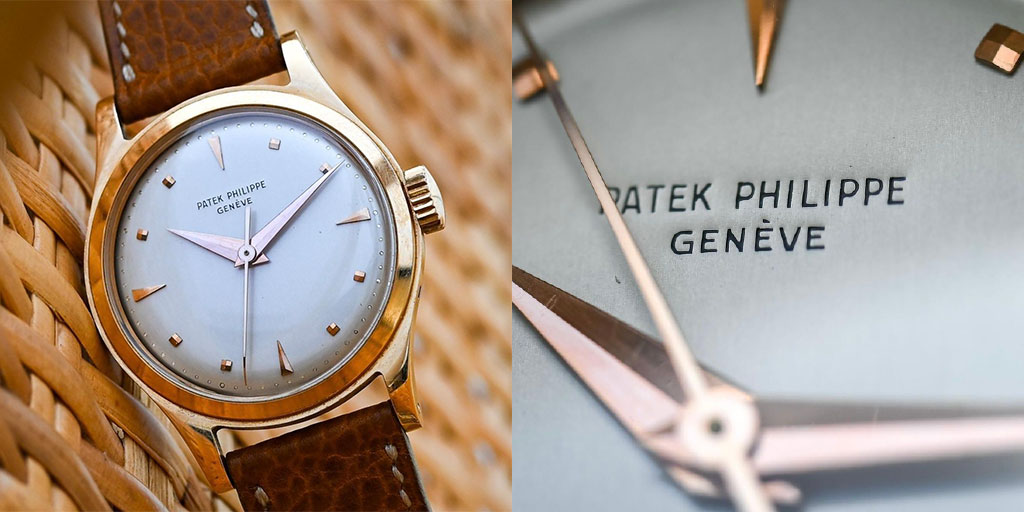
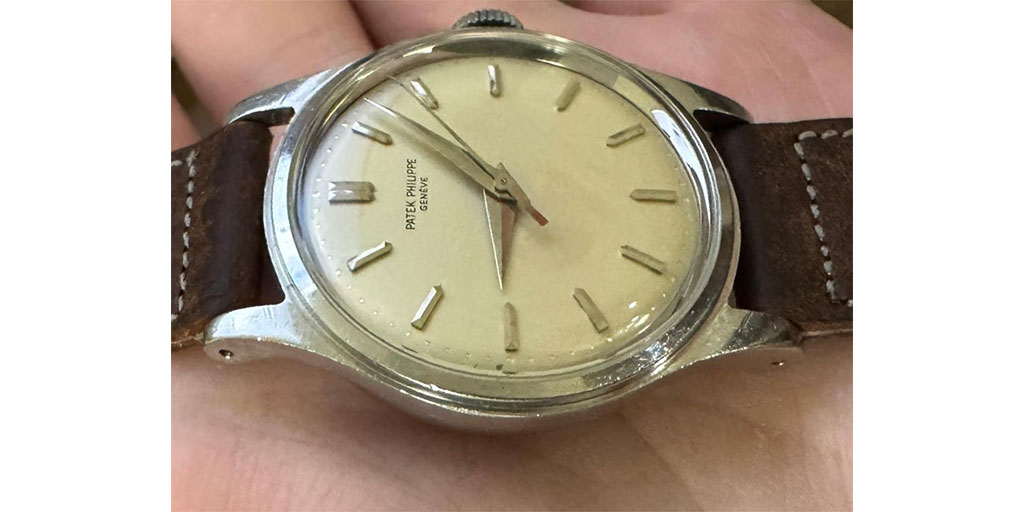
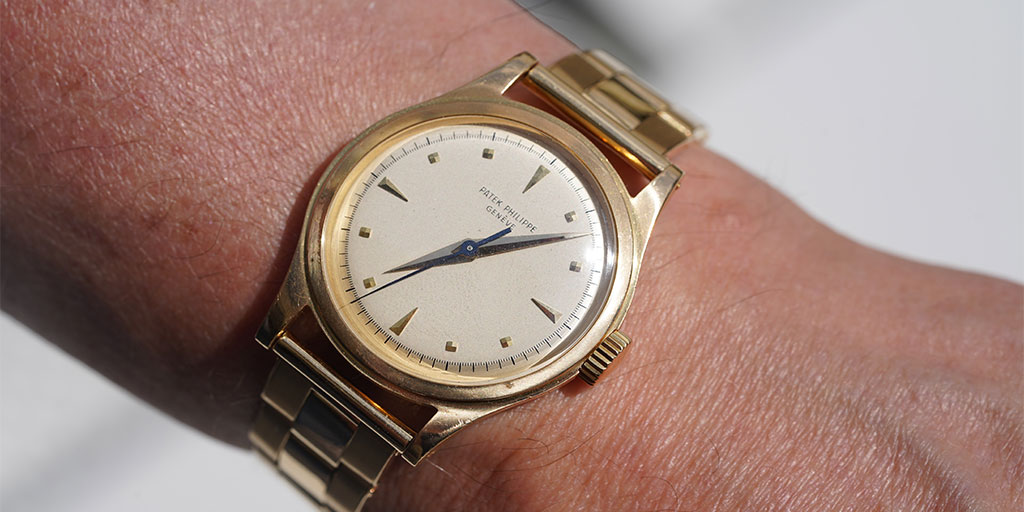
Type 1A – This is the quintessential appearance that most collectors visualize in their mind when the reference is discussed. It has a subtle, two-tone appearance in most light conditions between the center and outer track. The signature and outer minute track are both engraved, enameled. The markers are geometric and alternate between faceted square and dagger markers at 12, 3, 6 and 9. There were three dial colors known of the 1A: silver (most common), pink and black (least common). Of the black dials, I’m aware of two in yellow gold and one in rose gold cases (one of each depicted later). The marker facets give the dial a touch of brilliance when light is reflected. The use of these marker type lends reference to the dial as one of the most aesthetically balanced watch dials known. The hands are gold dauphine with either a blued steel or gold center sweep seconds hand.
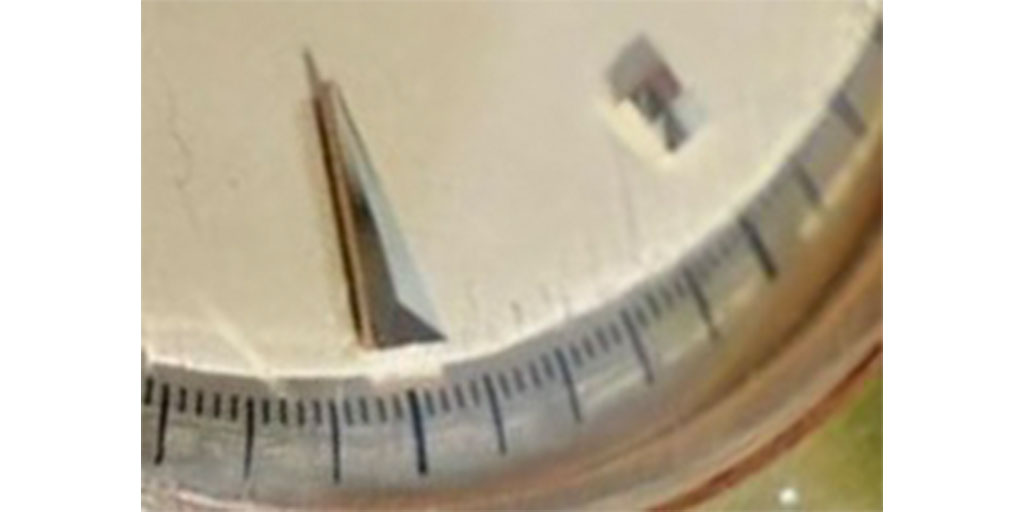
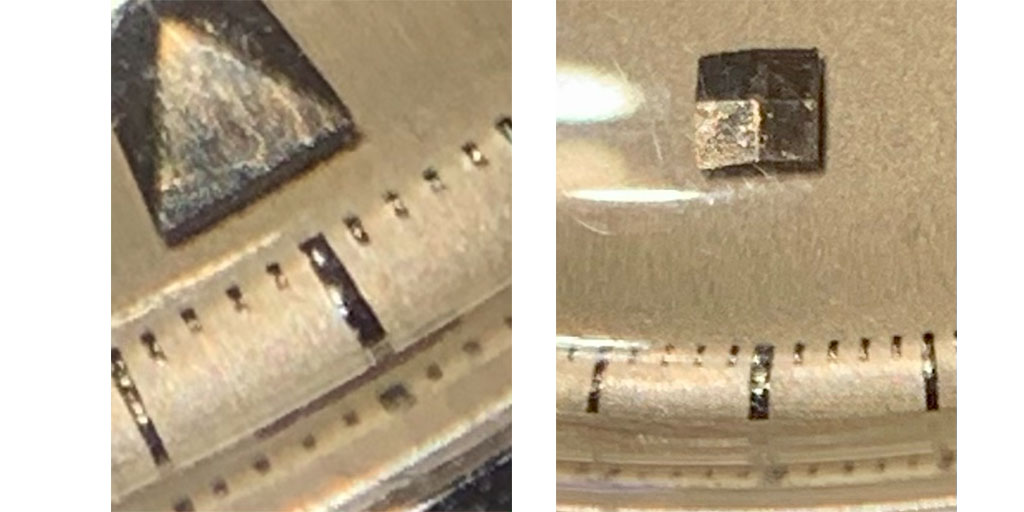
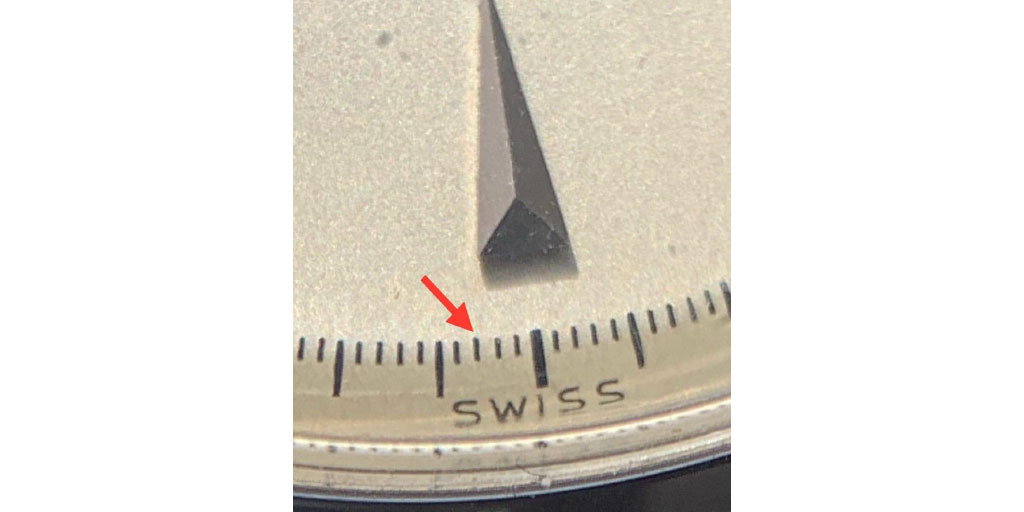
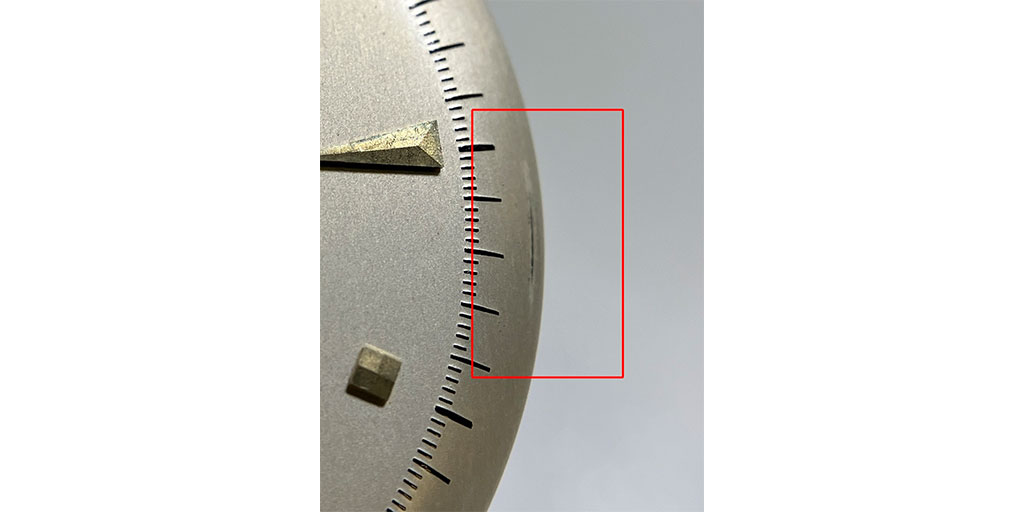
Interestingly, the minute track on both Type 1 examples shows some mis-aligned hash marks around the periphery. This misalignment of certain hash marks should be consistent in appearance on original dials (above image). The misalignment is from the cliche that was used to stamp the dials prior to having aqueous enamel paste applied and kiln fired to harden. The earlier image gives a good illustration of the two-tone gradient change of the dial just beyond the minute hash marks.
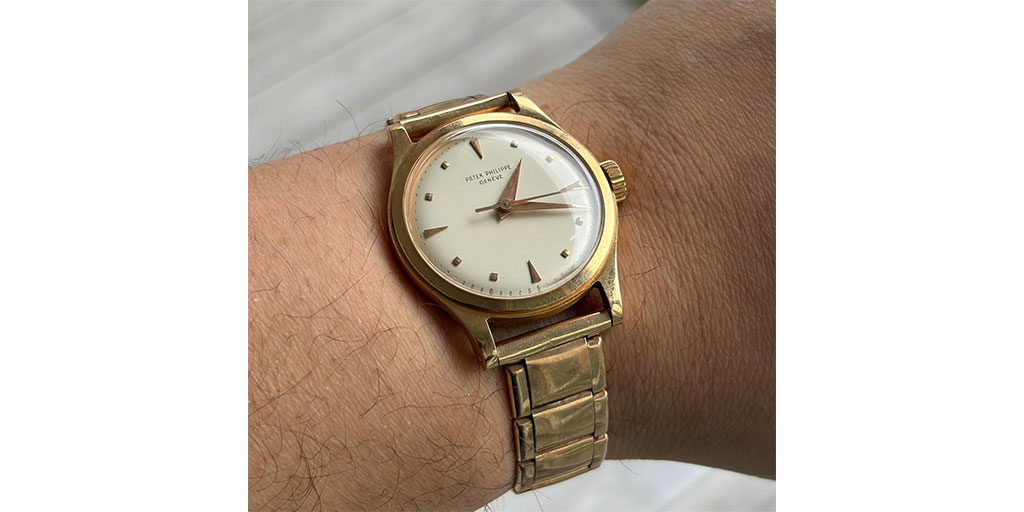
Type 1B – The differing feature of this type is the use of lapped hour markers around the dial. These are seen as either plain or luminous (with radium insets in the markers and gold dauphine hands). Both of these types of dials are known to overlap during the same time frame of production.
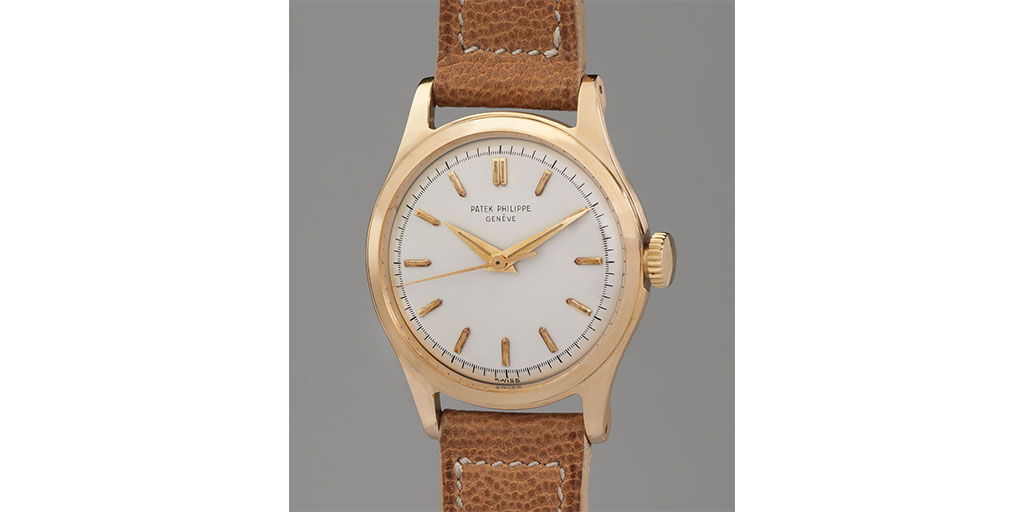
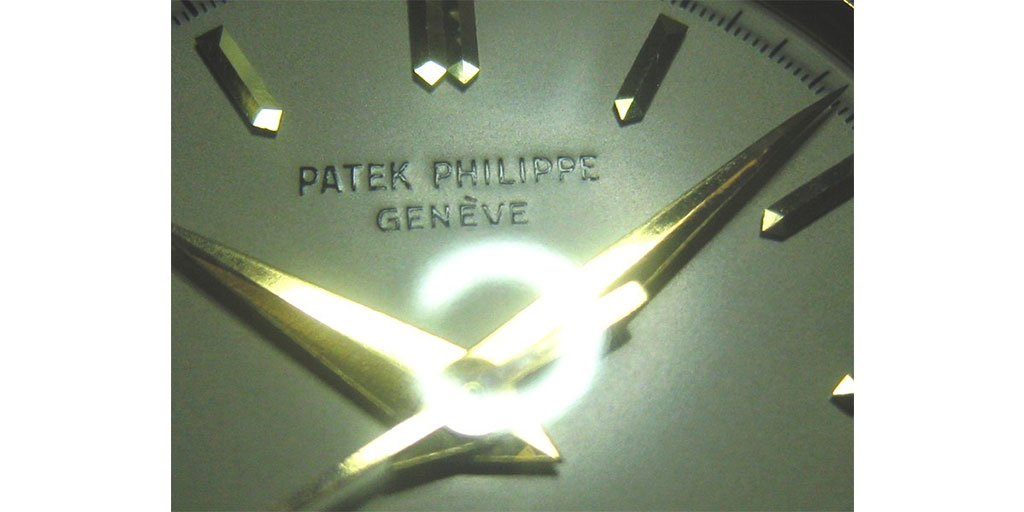
Type 2 – Two different configurations are known, a 2A and 2B. The features that make this dial type unique are changes from an opaline silvered two-tone finish to a full monotone matt silvered finish of the dial. In addition, the outer minute track is pearled instead of engraved, enameled.
Type 2A – Although less commonly known, some examples are noted with this appearance in the market overlapping the Type 1 dials. This type features geometric markers, similar to 1A, gold dauphine hands and either a blued steel or gold center sweep seconds hand. I’ve only seen this type in yellow and rose gold around 1956.
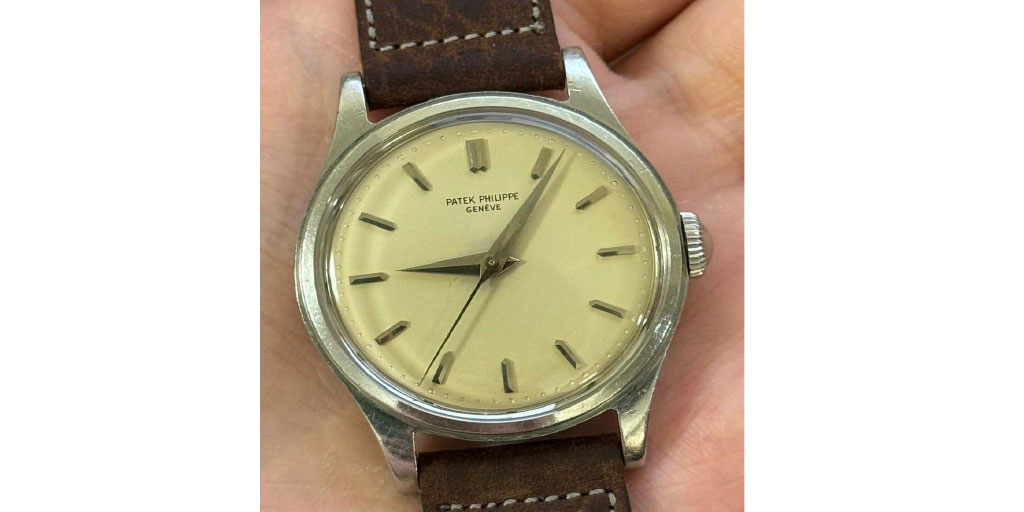
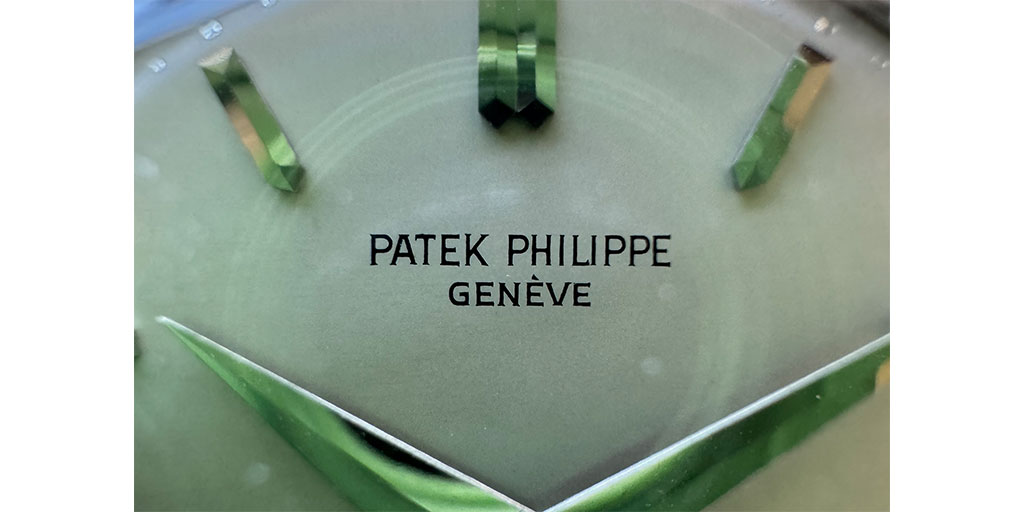
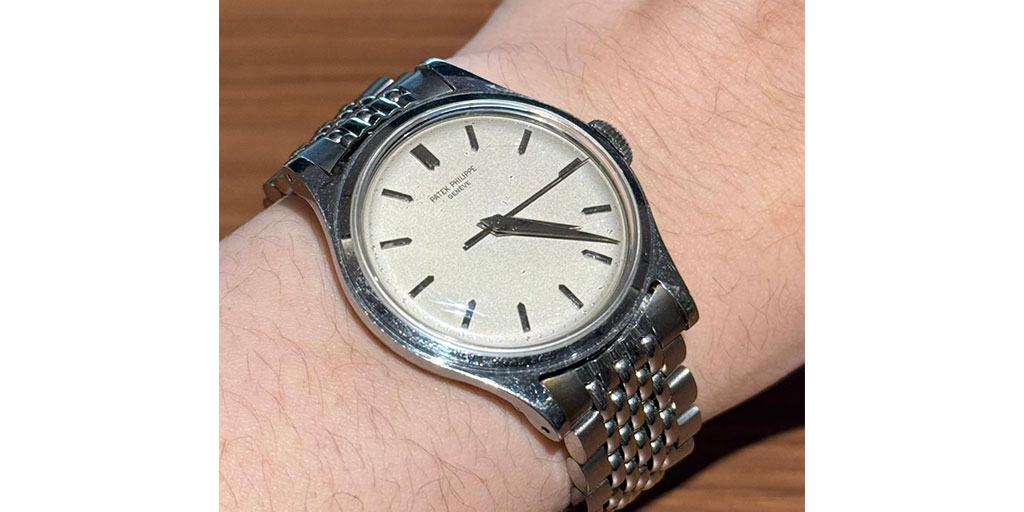
Type 2B – The markers are lapped with gold dauphine or baton hands and either a blued or gold center sweep seconds hand. The later steel cased examples have a printed signature. A period image is depicted of this dial type on a gold model from 1959 in Huber & Banbery, Patek Philippe Geneve on pg. 249.
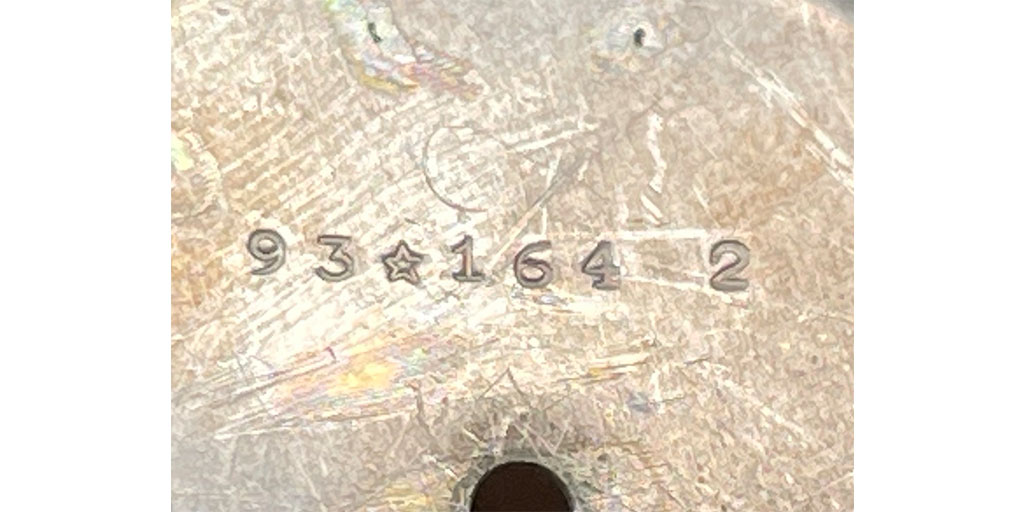
The backside of the dial is stamped 93 which is the code for Patek Philippe. The star symbol is for the Stern Frères dial manufacture. Next in line is a three-digit batch code number, with the last number referencing the dial color.
THE ADMIRED CASE
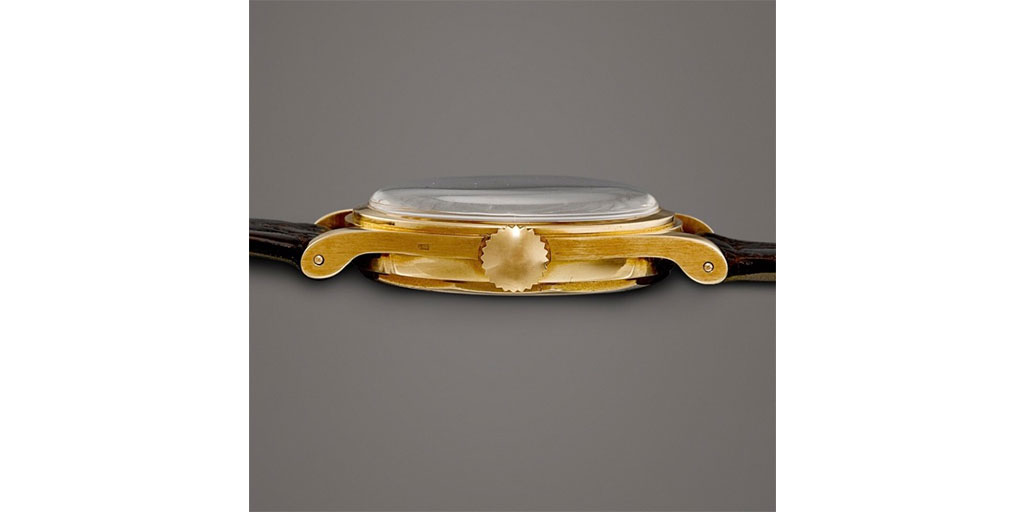
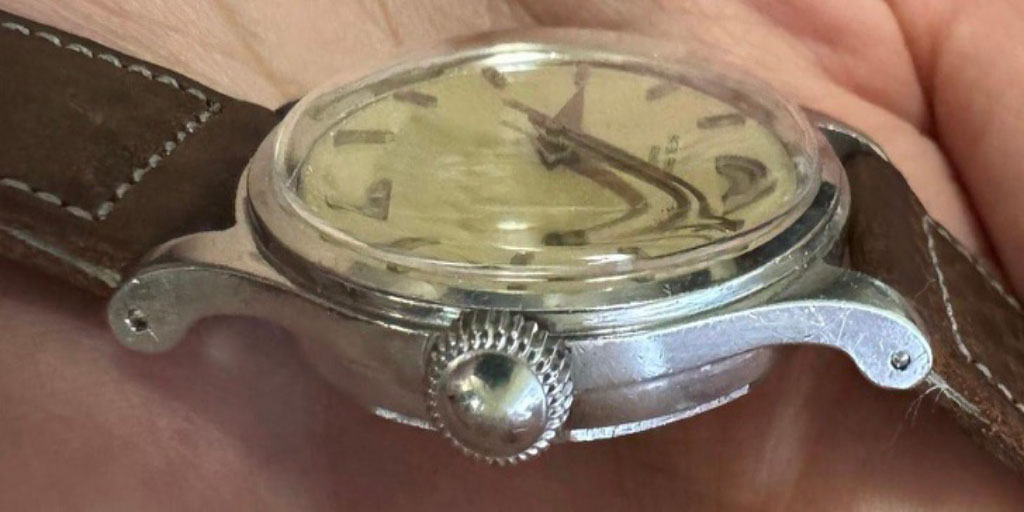
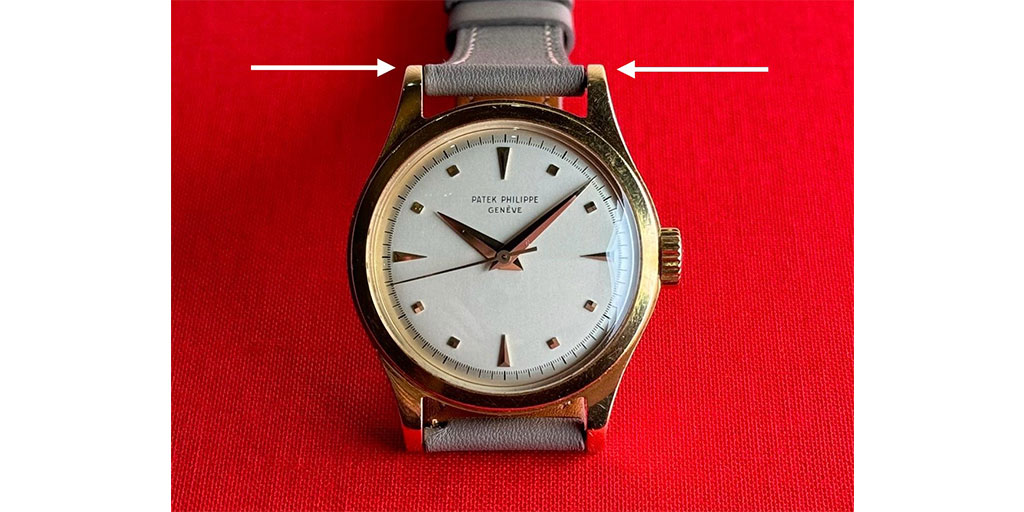
In addition to the dial design, another reason for collector fascination with the ref. 2508 lies in the Taubert-designed screw back case. The proportions of the case and its downturned lugs bear strong semblance to the iconic ref. 1463. The profiles shown below are views of a gold and steel case respectively for starters.
The case has an inner dust cap to provide protection from dust, magnetism and moisture.
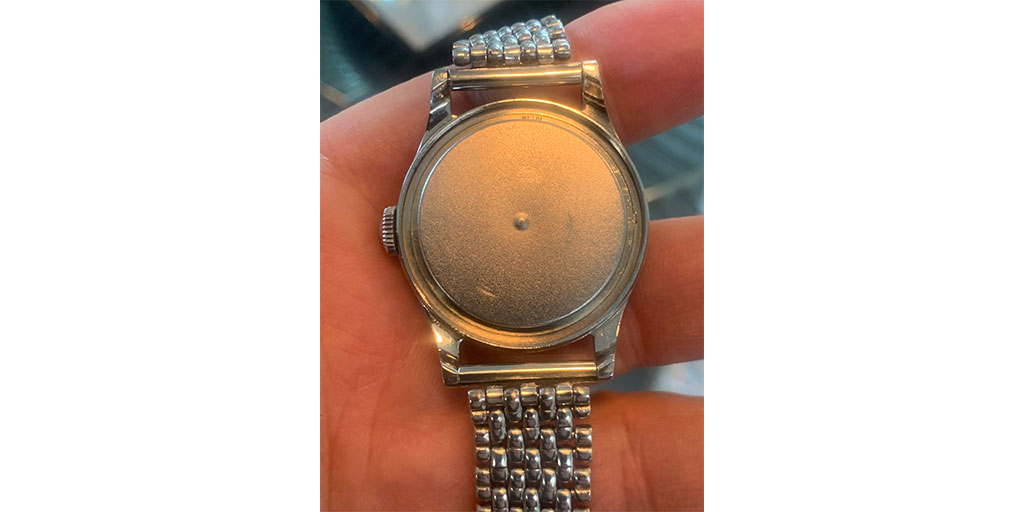
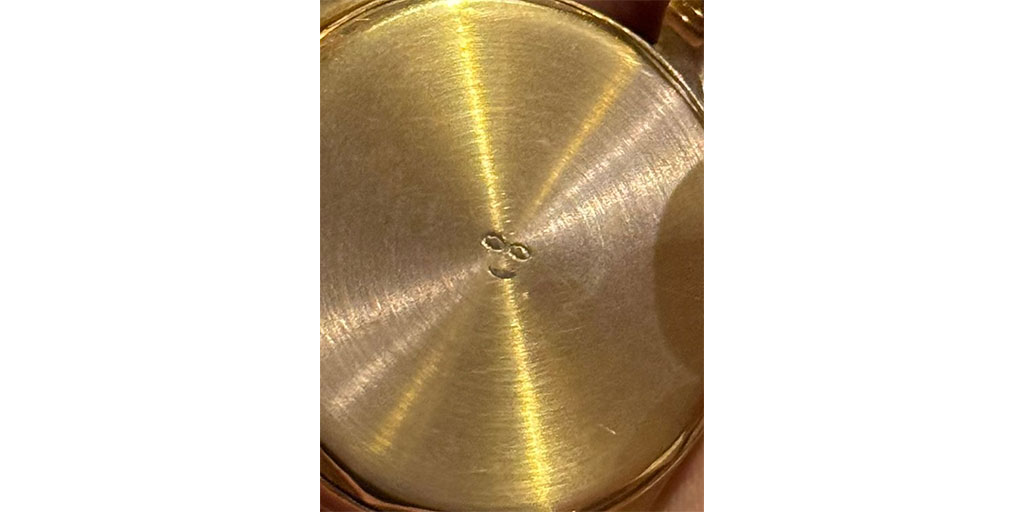
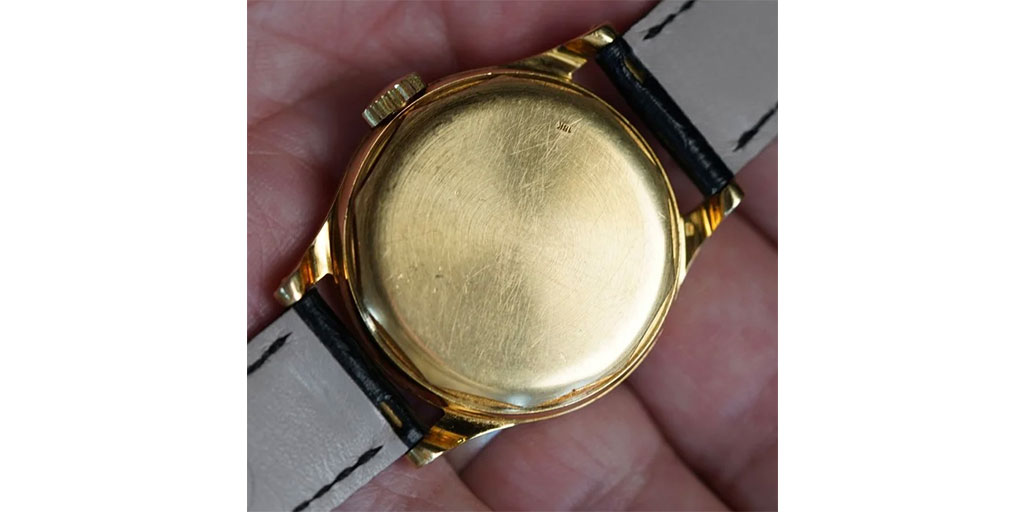
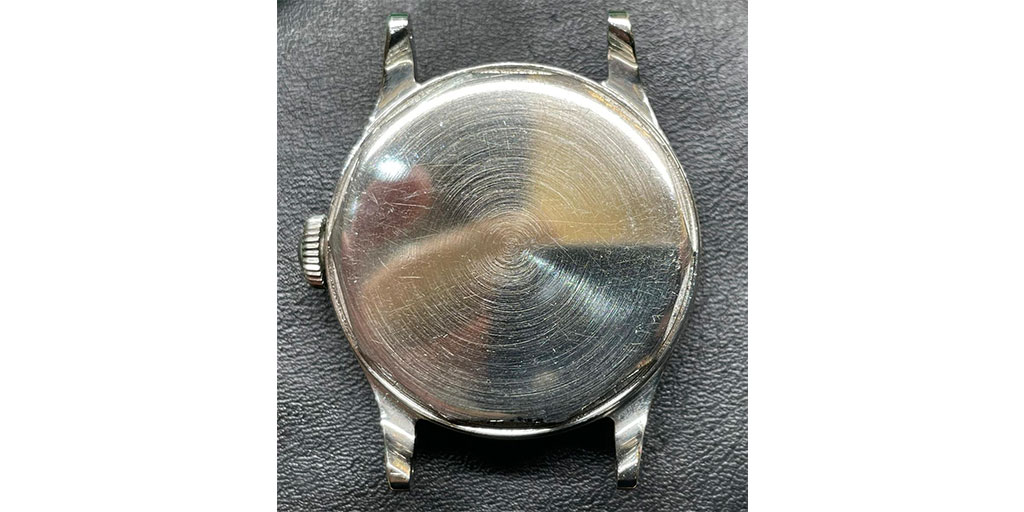
The case is polished and satin brushed on the sides with a circular brush finish on the case back. Gold cases often have hallmarks under one lug and on the crown side case band or on the back of the case. French examples have a hallmark on the case back as noted in this rose example below from 1961.
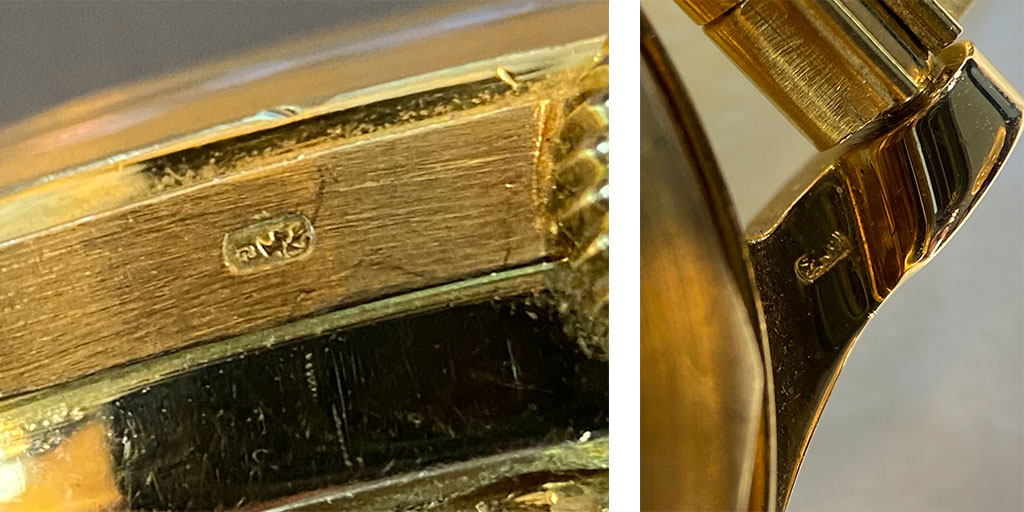
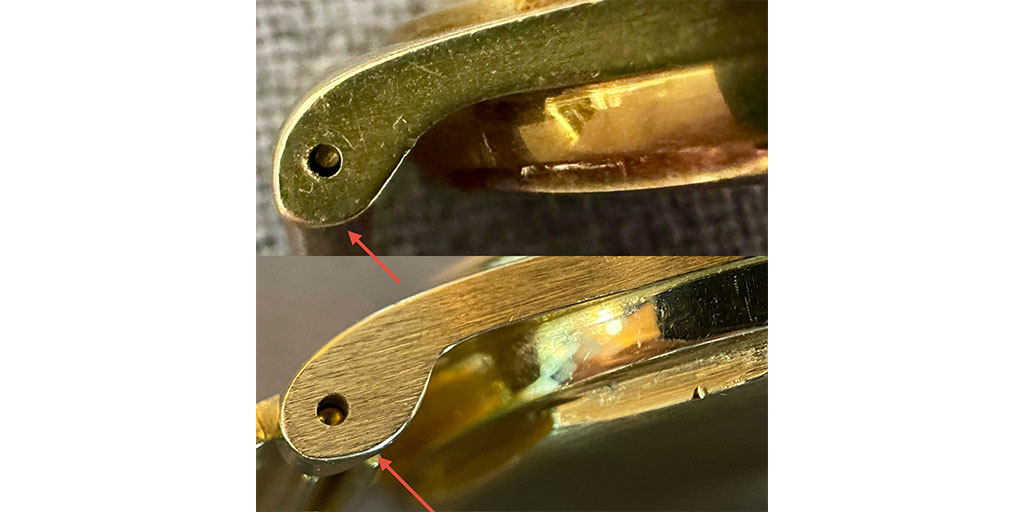
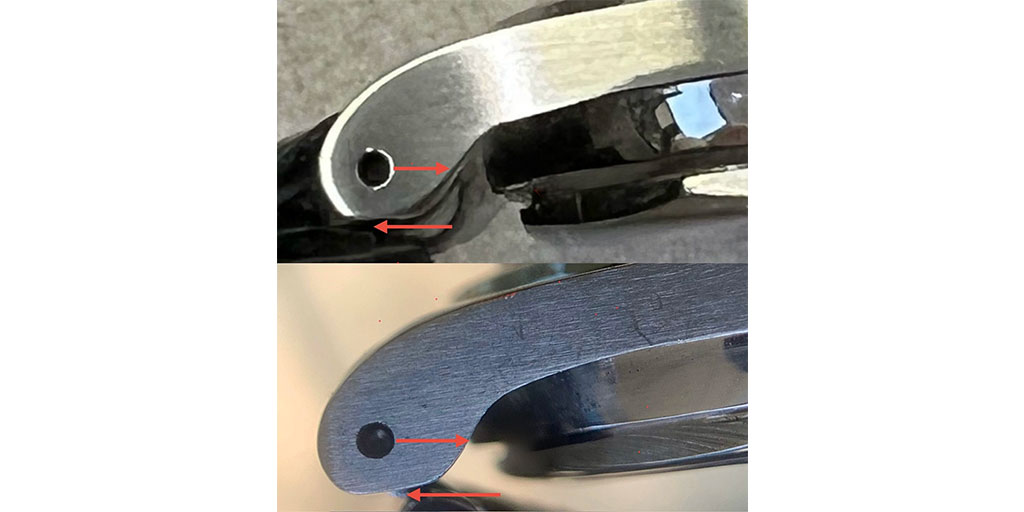
Interestingly, it appears there are two types of case designs seen during the production run on gold and steel examples. The differences are subtle, but noted, nonetheless. On gold cases, most often seen are rounded bottoms with a more pronounced downward slope to the lug tip angle. The other type seen in the lower image has a flatter lug tip angle and flatter, longer lug tip platform. This is also noted on some ref. 1463 examples as well.
On steel cases we see subtle differences as well pointed out in the second comparative image. The lugs also appear slightly thicker than gold case examples and the lug tip base is approximately 1-2mm longer.
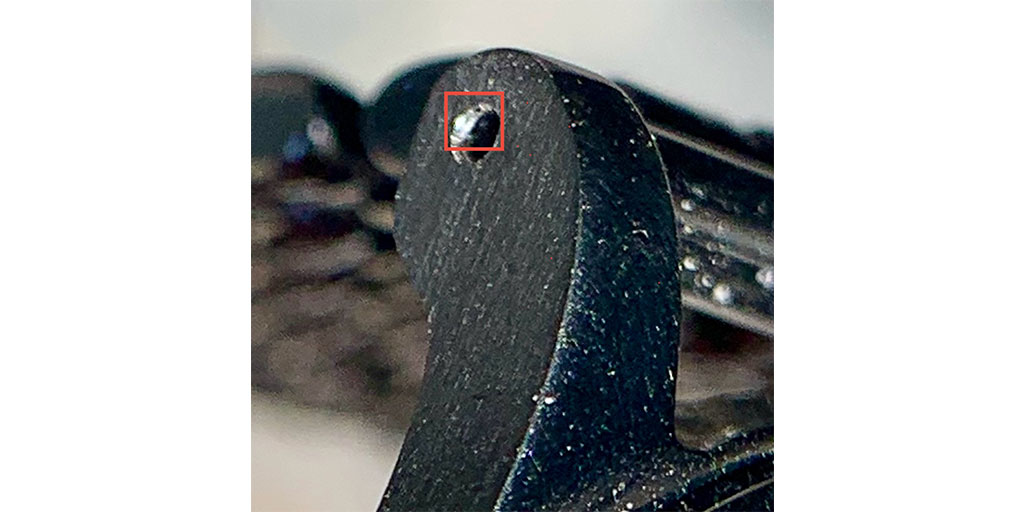
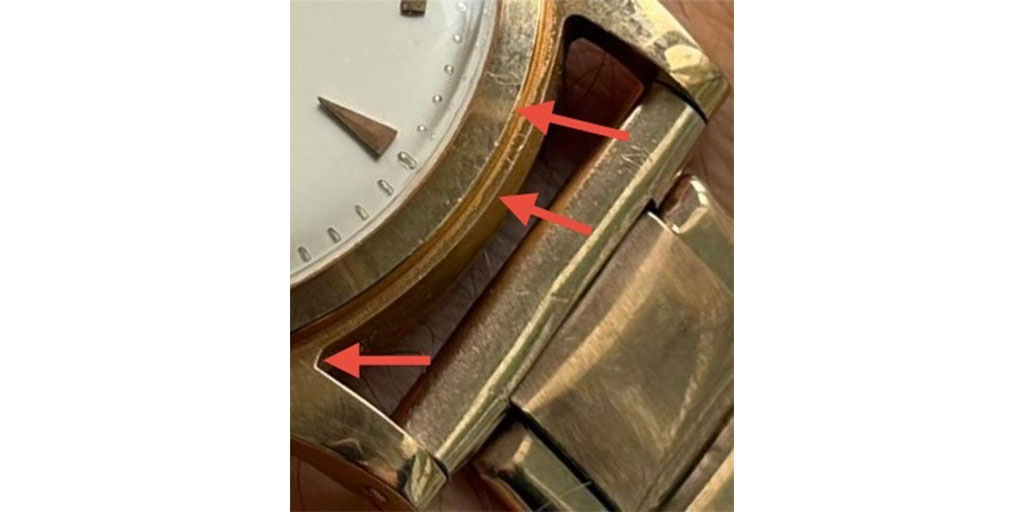
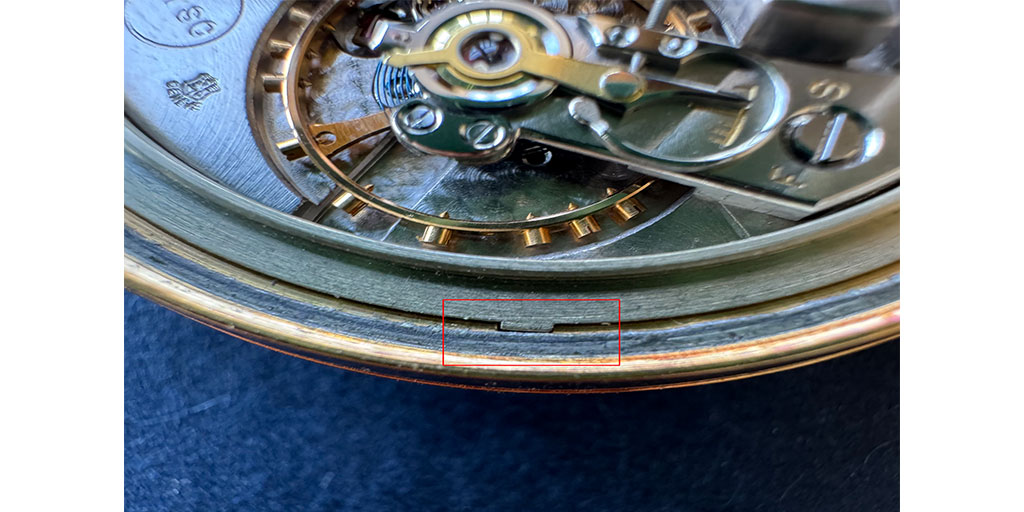
Another area to inspect for case condition is the step down from the bezel, outer case edge and notch by inner lug. It’s a good area to inspect because it would not have the wear from routine use compared to the case sides.
Some past auction reports refer to the two-part case as the first Patek Philippe waterproof design, however the ref. 565 introduced in 1938 holds that distinction. The taller, center seconds movement gives the case a bit more height, when compared to the flatter ref. 2509 sibling.
The case back was circular brushed and depending on the amount of wear or metal, the brushing pattern may not be completely visible. The screw-back case should have sharp points on the notches.
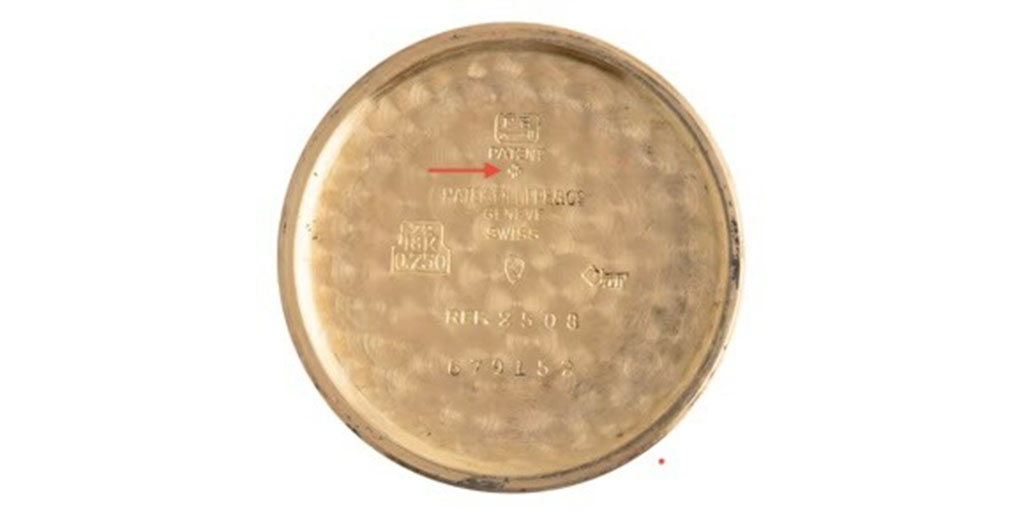
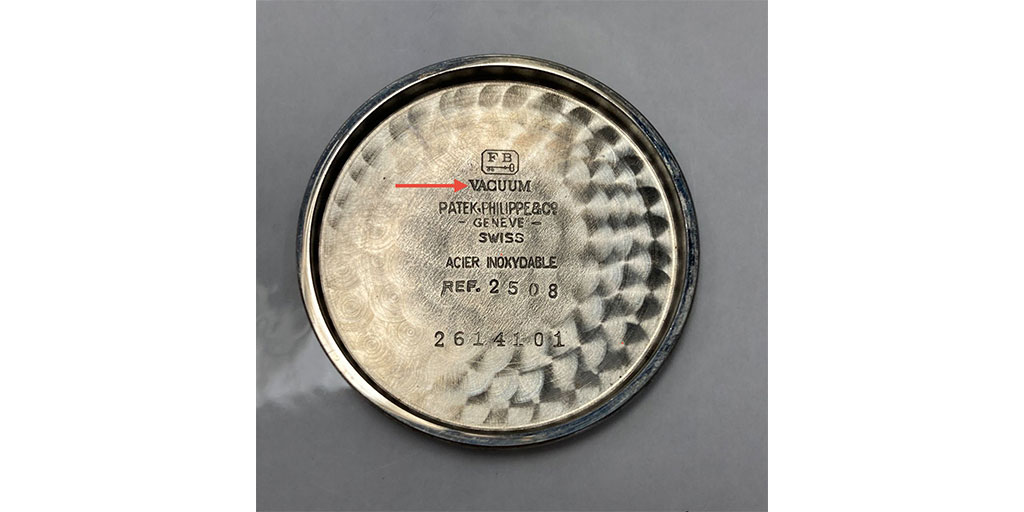
The inner case-back features the usual makers marks with stampings for FB/Taubert and Patek Philippe. In addition, you should see the required gold markings, reference and serial numbers. The gold cases have the additional stamped Key 11 for Taubert, whereas the steel examples do not. Earlier cases have a cross symbol under the FB Taubert stamp, while later cases had the word “VACUUM” stamped. Presumably the stamps signified confirmation of case integrity testing.
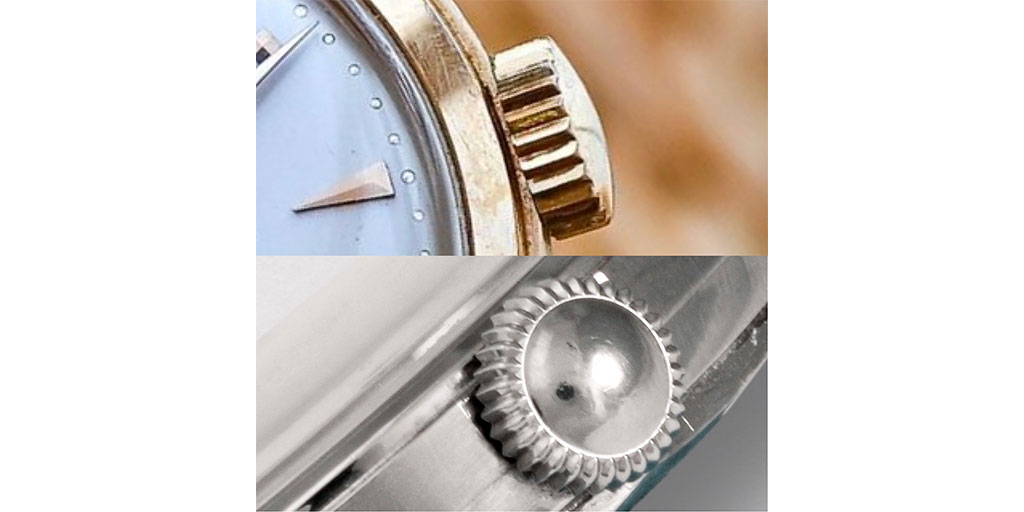
Two different crown types are seen on the ref. 2508, both made by Bonichi. The first type is the umbrella style with a dimple and ribbed circumference, similar to the type seen on the ref. 565. These crowns were used on the steel examples exclusively and the other type is a flatter style with a larger, knurled circumference. Later crowns of the flatter style featured the Calatrava cross logo in relief, which started to appear around the mid- 1950’s. Both types of crowns are seen on the gold cased examples.
THE BEAUTIFUL MOVEMENT
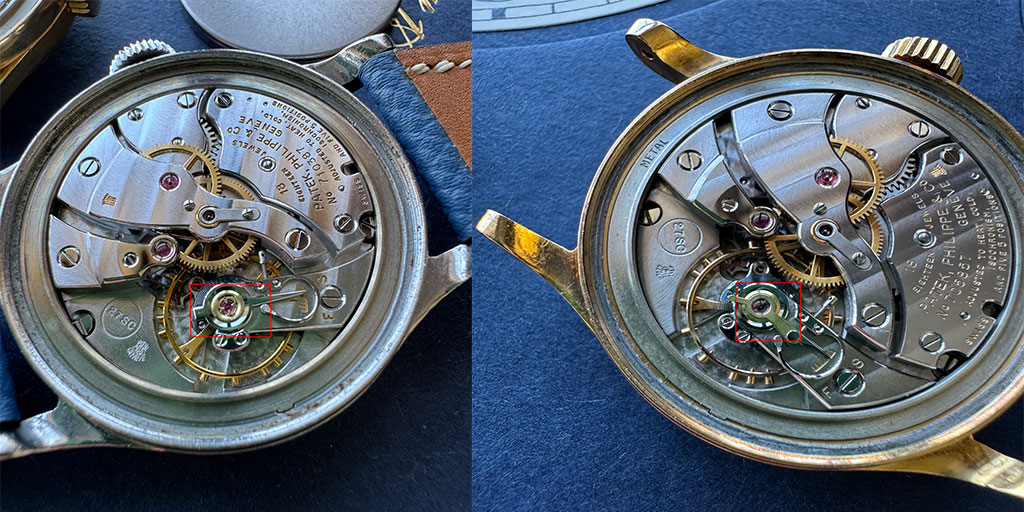
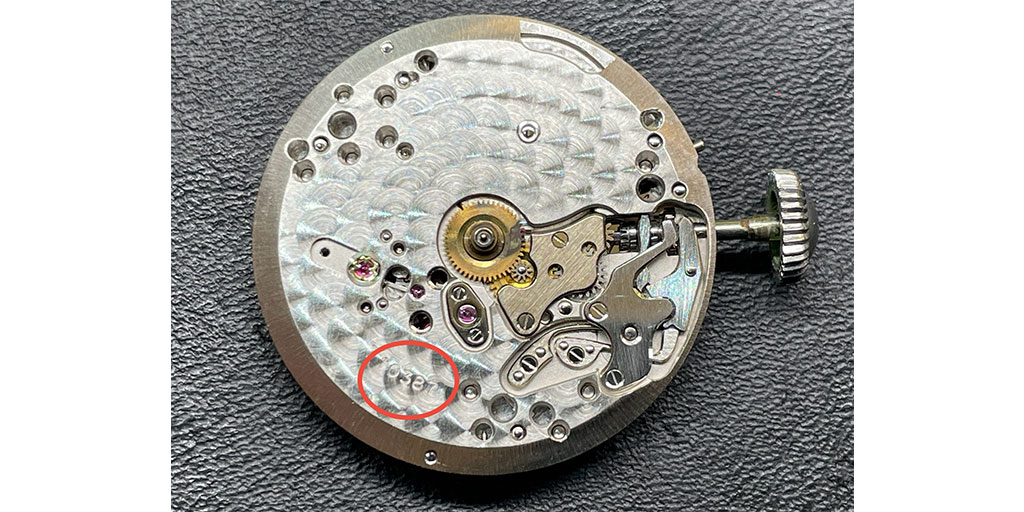
The 27 SC caliber was developed by Patek Philippe around 1949 and powers the ref. 2508. The 27 SC movement featuring a direct drive succeeded the 12-120 SCi caliber and solved the “shudder” of the minute hand seen on the previous Victorin-Piguet design. The early 27 SC movement used a weighted monometallic balance, which was later transitioned to the Gyromax balance. This movement features the usual, beautifully finished plates with Geneva waves, lower plate perlage and polished anglage on the edges per Patek Philippe standards. Two Geneva Seal stampings are seen on the movement and a circled, stamped “27 SC” to denote the caliber.
COLLECTING CONSIDERATIONS
For collectors, we’ve covered cues to observe in the sections above on the different components related to condition. Often these references are found with dials well maintained, given the case structure helped protect the dials and movements compared to a snap back design.
Most cases have had some past polish or re-brushing of the case sides, so look for examples that maintain proportional and thick symmetry with strong hallmarks on gold cases examples. Dials have often been either cleaned or touched up to some degree, but there are examples with untouched dials that are rare and prized. Look for consistent aging and patina as cues of aged lacquer on the dial. The engraved enamel dials should have a consistent appearance to the enamel signature and outer track without signs of weakening to the black color depth and shape for top examples. When spending this kind of money, it’s important to be disciplined. I like to evaluate the coherence of the dial, hands and case to determine if they all appear correct, honest and very strong. It’s also important to have perspective and sometimes perfection can be the enemy of great, and we need to remind ourselves “what is the likelihood of finding one better?”
Let’s take a look at some different and interesting types of examples seen in the market and from past auctions to share the diversity of collecting options. First up, we have two double-signed examples.
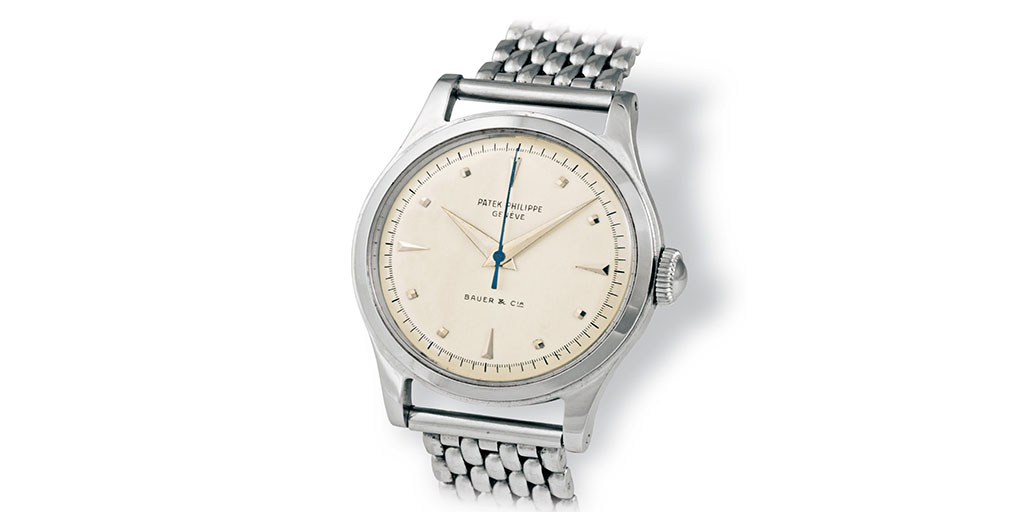
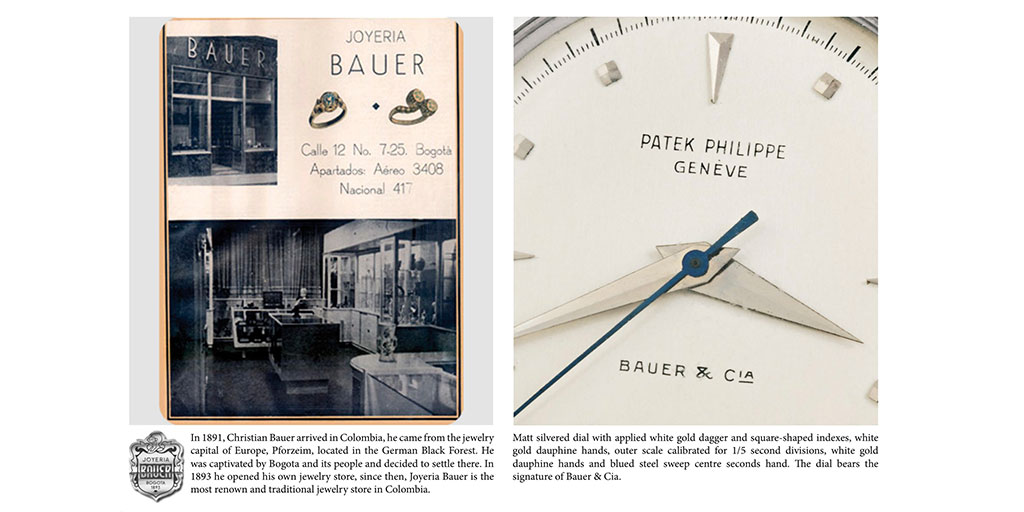
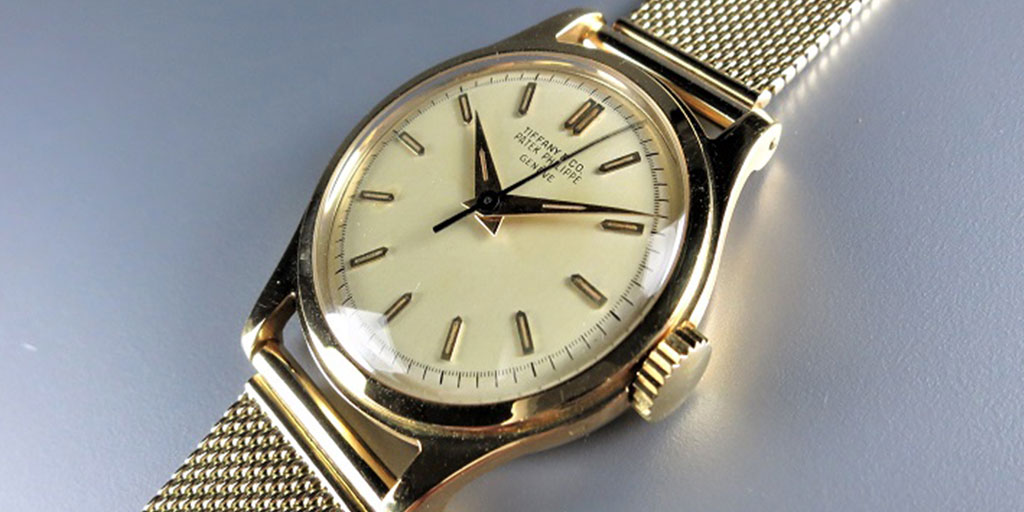
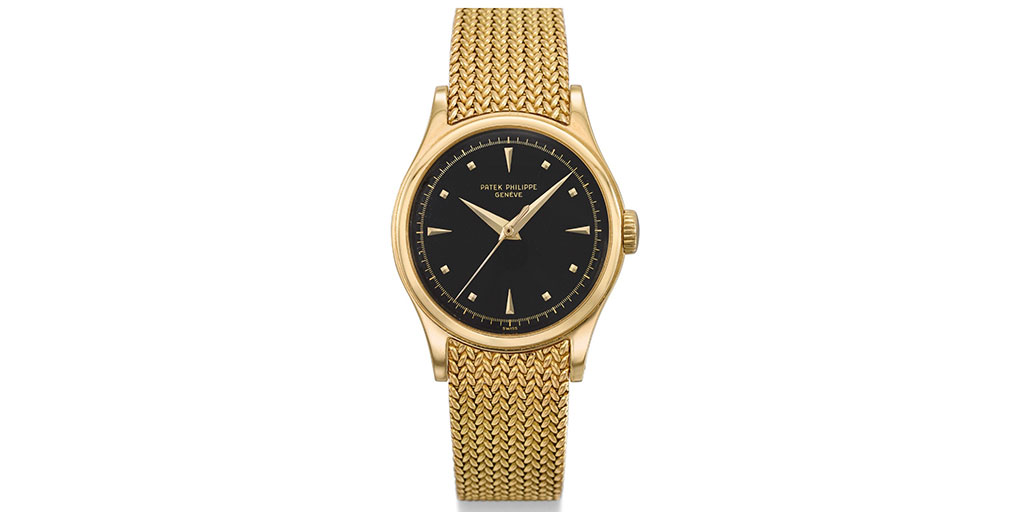
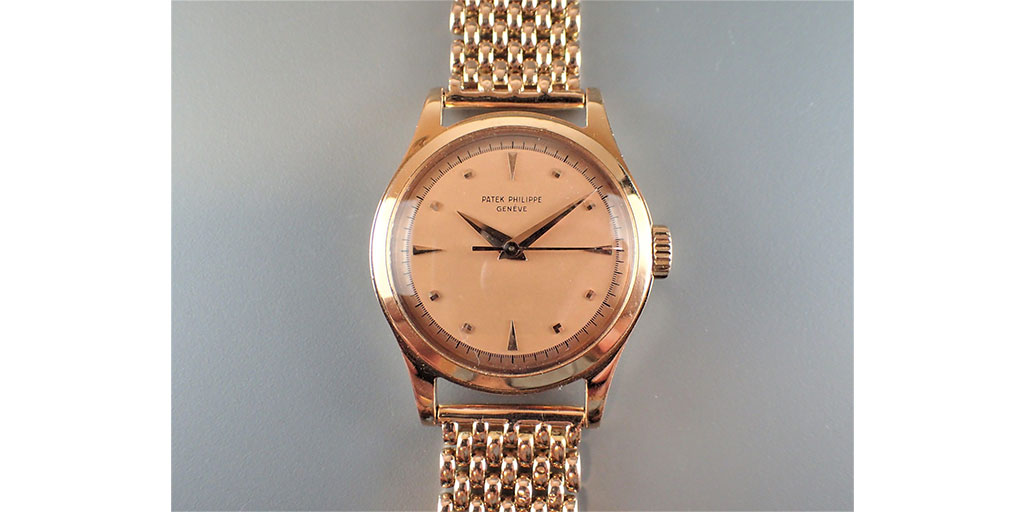
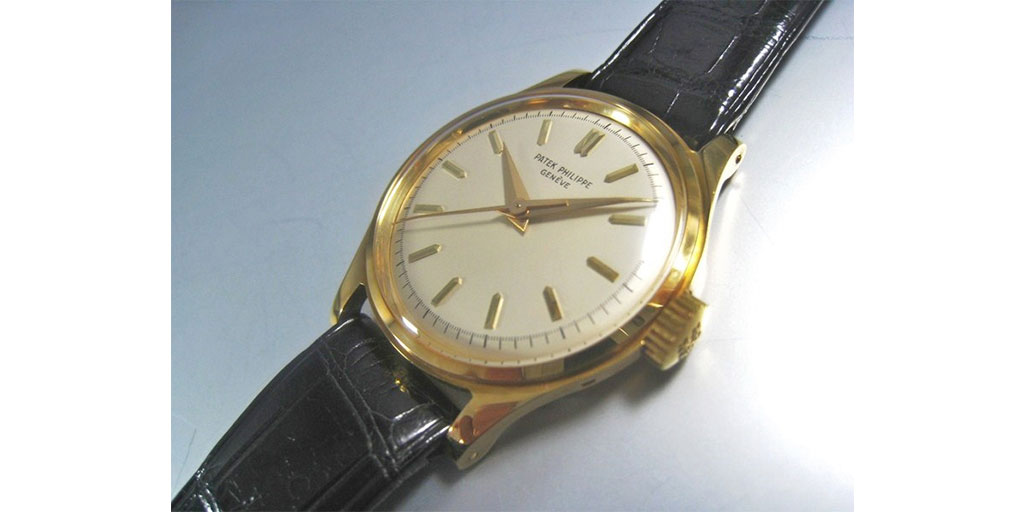
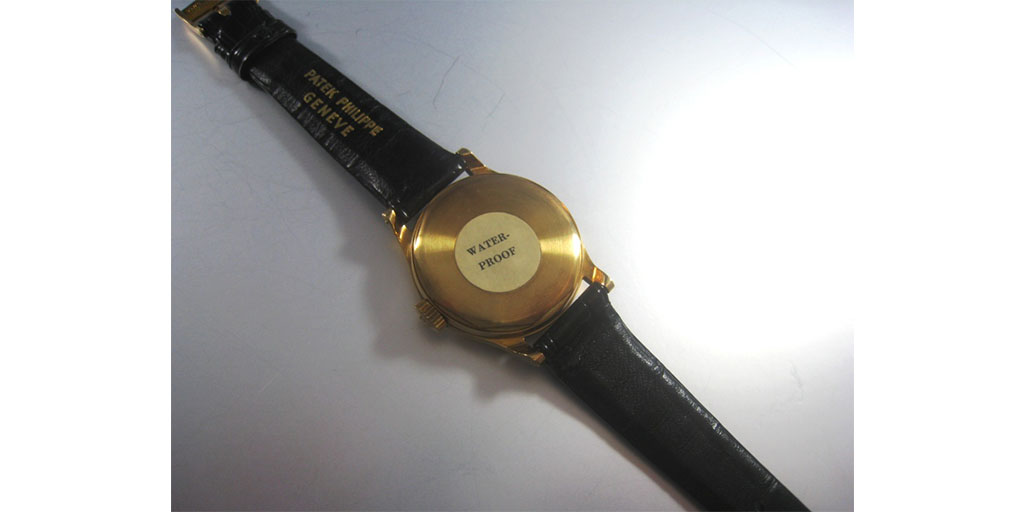
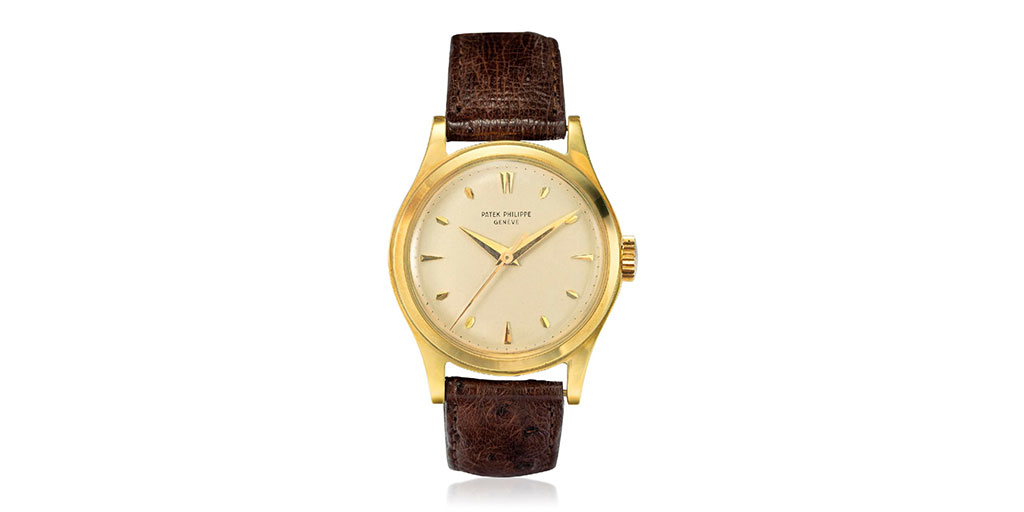
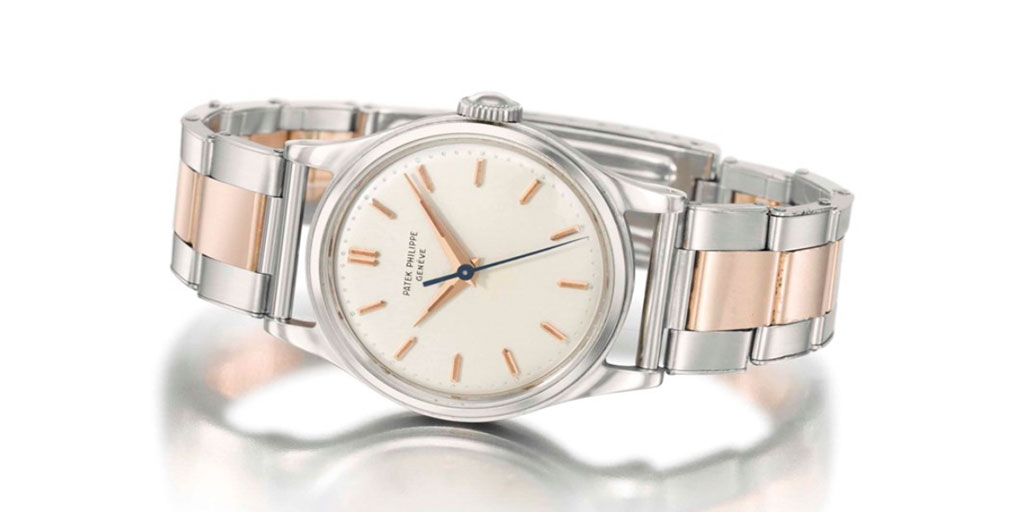
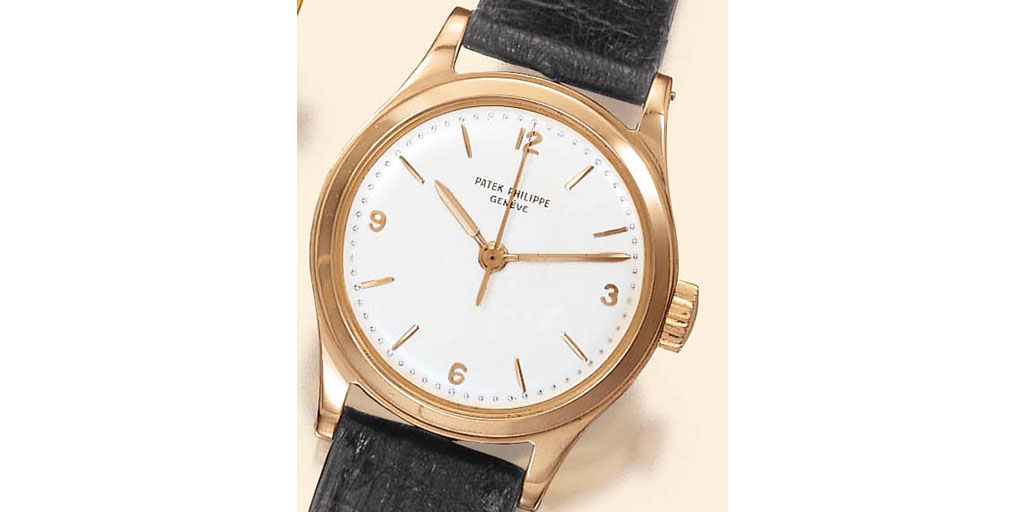
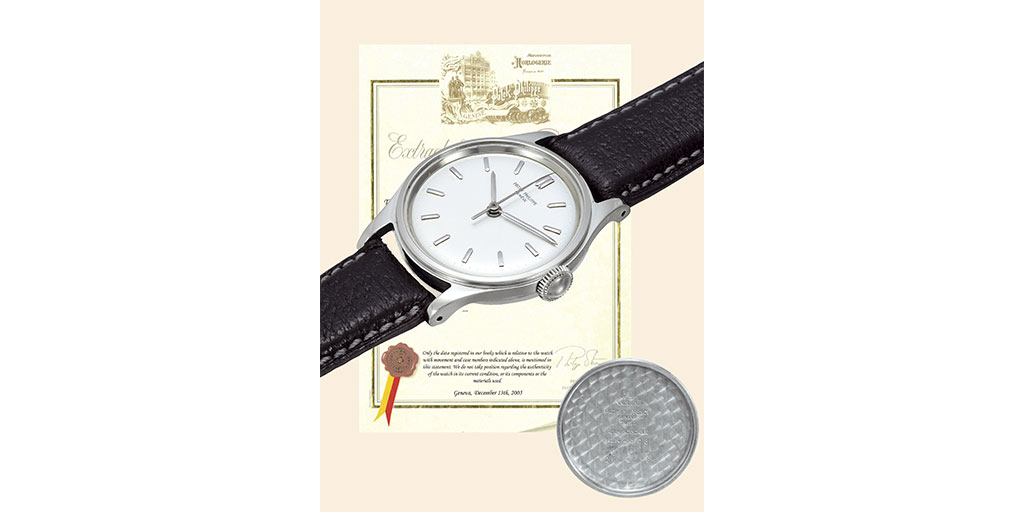
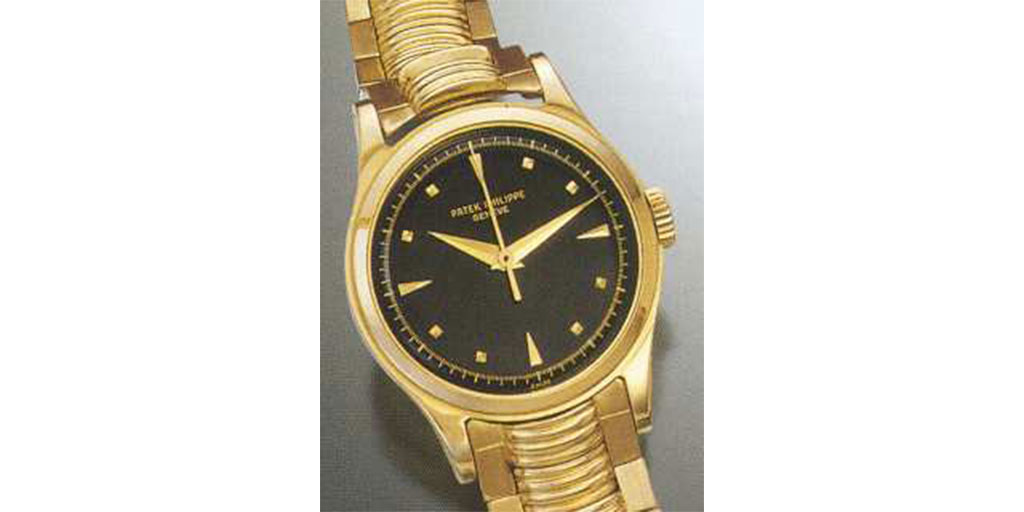
Retail prices in general have been escalating for good condition, vintage Patek Philippe watches –depending on the overall condition, reference and metal – the prices can have very wide variation. At present, I would expect strong, top-grade examples in yellow gold to start around $40k and rose examples in similar condition with silver dials to start around $60k and go up. A pink-on-pink example should comfortably be $100k +, as should quality steel examples with engraved, enameled signatures. These are estimates only, as condition drives the upper range and there may be examples seen recently at auction or for sale that do not fit the top-grade criteria being offered or sold for less. I’m not aware of any recent auction or private sales of black dialed examples and would expect them to have very strong asking prices if offered in the market.
FOR THE LOVE OF BRACELETS
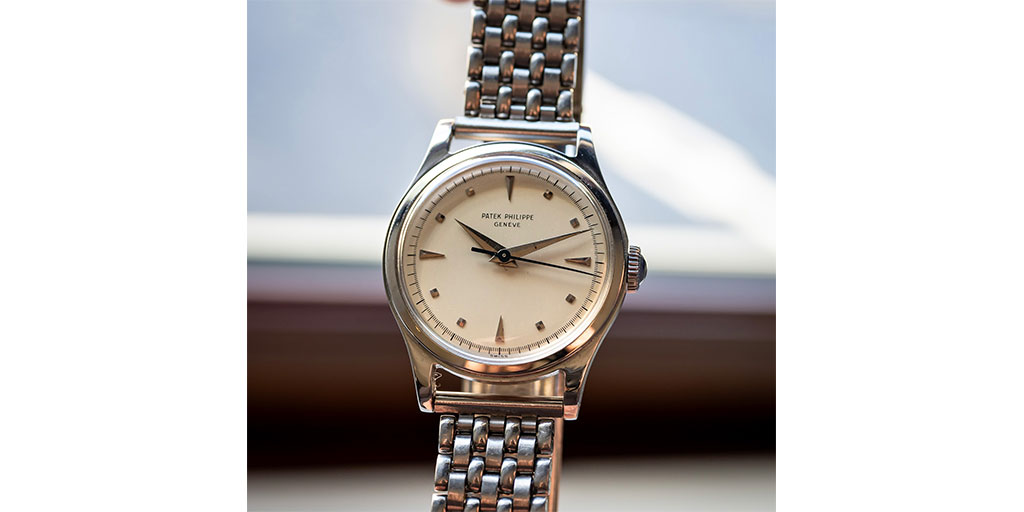
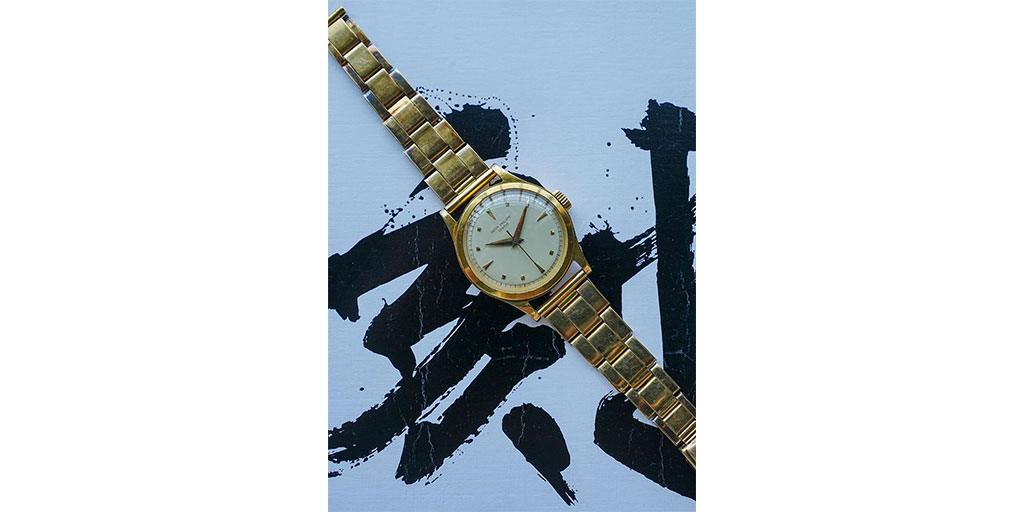
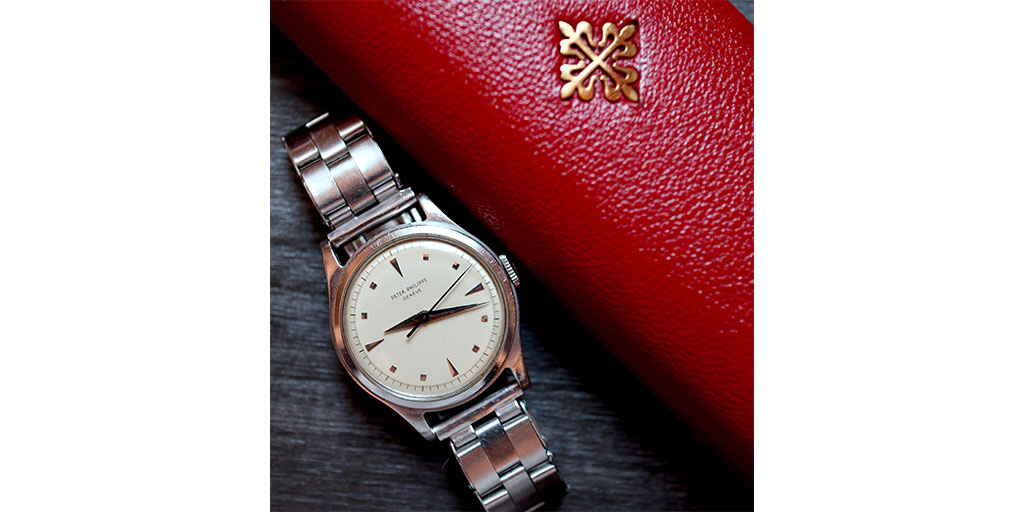
I’m a huge fan of period-correct bracelets on many Patek Philippe references, including the ref. 2508. The top manufacturers of the era include Gay Freres, Jean-Pierre Ecoffey and Ponti Gennari (at the very top). However, there are also other manufacturers and period, unmarked bracelets that can be obtained for less money that still have very high quality. In my opinion, a bracelet on this reference takes the ref. 2508 up a level in sport elegance.
CLOSING THOUGHTS
As usual, condition should be a guiding principle when hunting for a ref. 2508 in any metal. One of the reasons I proposed an update to dial classification is to clearly delineate the different types seen. From my observations, the Type 1A two-tone dials with geometric markers and engraved outer tracks currently tend to command the highest values based on public and private sales information I’ve come across. The Type 2A with geometric markers and pearled minute track would be next, although these dials aren’t as commonly seen in the market and likely had the lowest production among gold cased examples. Next in line would be the Type 1B two-tone with plain lapped indices, followed by the radium examples (many of which have been re-lumed over time). On another related note, some collectors also favor the blued sweep seconds hand on examples where it’s an available option, for the pop of color it provides to the dial.
While the Type 2B late steel examples with printed signatures are the least known in market among steel cased examples, they often command lower prices compared to the engraved enamel signature dials seen on steel examples up until the early ‘60’s. This type was the final dial design before the end of production. However, any ref. 2508 example in top collector-grade condition is a relatively rare bird and great addition to a Patek Philippe collection.
I’ve attempted to complete a thorough overview, accounting for the many variations of ref. 2508 examples known and tips for collecting. I’ll close out with a few wrist shot images of different types seen on period bracelets.

Paul Engel, known as @aircooltime, is a vintage watch collector with a deep passion for the details of Patek Philippe, Rolex and other iconic brands. His handle reflects his love for both air-cooled porsches and horology. Paul shares detailed insights and articles at aircooltime.com. Please contact or share comments: @aircooltime, [email protected], www.aircooltime.com
Acknowledgments
- Special thanks to the many contributions of images and details for article content from two very passionate ref. 2508 collector friends; Tony and Edo. I’m grateful for their encouragement to collaborate on this article and their active participation to pull complete content together for a comprehensive representation of the reference.
- Special thanks to collector friends Per, @perj123 for sharing relevant details and image use permission of his example as noted and @ok.wristwatch for additional detail discussion.
- Appreciation for image, picture use and editorial review from Tony Traina, www.unpolishedwatches.com.
- Thanks for image use as noted and credited to John Goldberger from his publication, Steel Patek, John Reardon and www.collectability.com, John Nagayama, www.onbehalf.jp, Ali Nael, www.2tonevintage.com, Eric Wind and Charlie Dunne of www.windvintage.com.
- Recognition to Phillips, Christie’s, Sotheby’s, Monaco Legend Group and Antiquorum auctions, for images used with credit.